
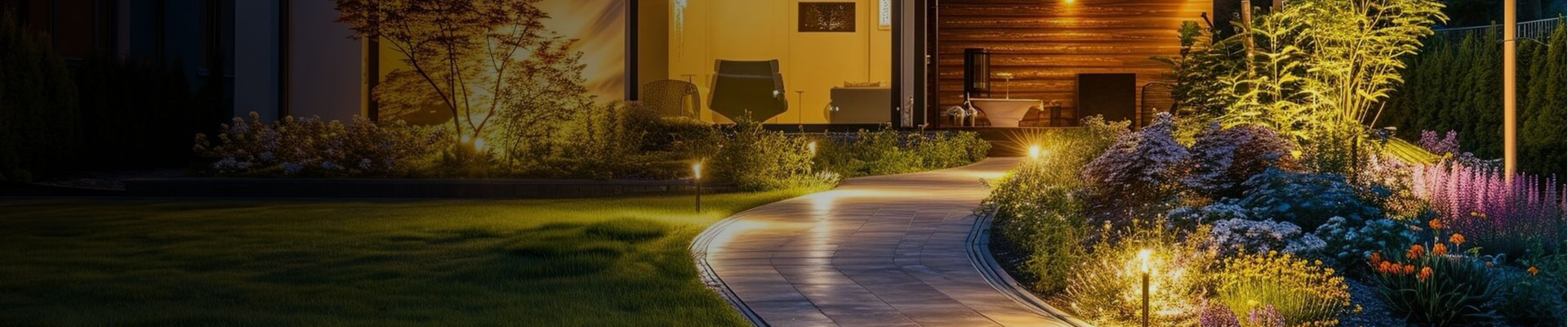
Plan Your Outdoor Lighting Before Installation
Choose the Right Outdoor Lighting Fixtures
Decide on the Best Power Source
Install a Low-Voltage Outdoor Lighting System
Create a Balanced Outdoor Lighting Design
Improve Energy Efficiency with Modern Lighting
Maintain Your Outdoor Lighting System
Common Mistakes to Avoid
FAQs
Outdoor lighting can transform a dark exterior area into a safe, comfortable, and attractive extension of your home. A well-designed lighting system improves visibility, enhances landscaping, and creates a welcoming atmosphere for patios, gardens, walkways, and entrances. With careful planning and the right equipment, many homeowners can complete a DIY outdoor lighting project without complicated installation.
Plan Your Outdoor Lighting Before Installation
The first step in any DIY outdoor lighting project is creating a clear plan. Instead of placing lights randomly, consider how each area will be used and what type of lighting effect you want to achieve.
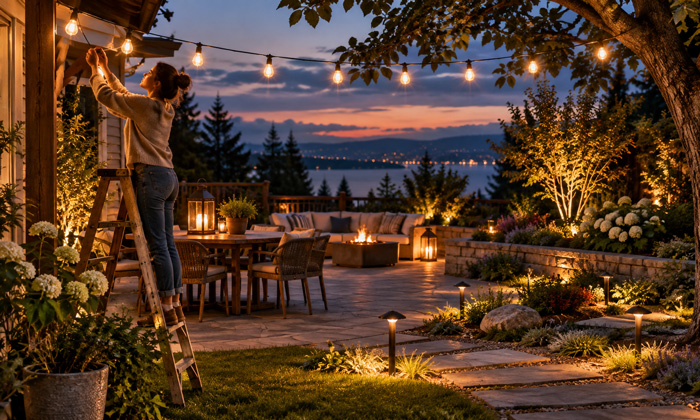
Walkways need soft and even lighting to improve safety, while patios and decks usually require warmer lighting to create a relaxing environment. Trees, plants, walls, and architectural features can benefit from accent lighting that adds depth and visual interest at night.
A successful design usually combines three lighting purposes: general illumination for overall visibility, task lighting for specific activities, and accent lighting for decoration. Using different layers of light creates a more natural appearance than installing many bright fixtures in one area.
Choose the Right Outdoor Lighting Fixtures
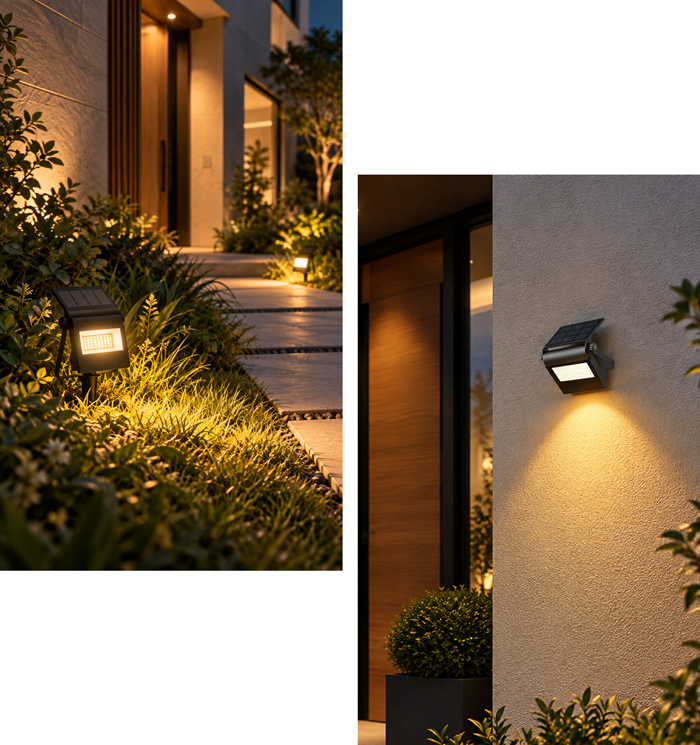
I recommend the Lumetro LM-SP04 Solar Wall Light as an example of a solar-powered outdoor lighting option for DIY landscape lighting projects. It can be installed as a wall-mounted or stake-mounted light for gardens, pathways, and other outdoor areas.
The type of fixture you choose determines both the appearance and performance of your lighting system.
Path lights are commonly used along walkways, garden borders, and driveways. They provide gentle downward lighting that improves navigation while adding decorative value. Spotlights are useful for highlighting trees, sculptures, walls, and other landscape features because they create focused beams of light. Floodlights provide wider coverage and are often used for security purposes or large outdoor areas.
Wall-mounted lights work well near entrances, garages, and outdoor seating spaces. String lights are popular for patios and entertainment areas because they provide a comfortable decorative glow. Solar lights are another simple option because they require minimal installation, although their brightness depends on sunlight conditions.
Low-voltage landscape lighting is one of the most practical choices for DIY installations because it offers reliable performance while being easier to install than traditional electrical lighting systems.
| Lighting Type | Installation Level | Main Benefits | Common Uses |
|---|---|---|---|
| Solar Lights | Easy | No wiring required, simple installation | Garden paths, decorative areas |
| String Lights | Easy | Creates a warm atmosphere, flexible placement | Patios, balconies, outdoor gatherings |
| Low-Voltage Landscape Lights | Moderate | Reliable, energy-efficient, customizable | Walkways, gardens, driveways |
| Spotlights | Moderate | Highlights specific features effectively | Trees, walls, landscape designs |
| Floodlights | Moderate | Provides wide and powerful illumination | Security areas, large outdoor spaces |
Decide on the Best Power Source
Outdoor lighting systems generally use solar power, batteries, or low-voltage electricity. The best choice depends on the size of the project, location, and desired reliability.
Solar lighting is the easiest option because it does not require wiring. However, solar fixtures need sufficient sunlight during the day and may become less effective during cloudy seasons or in shaded areas.
Battery-powered lights provide flexibility because they can be installed almost anywhere, but they require regular charging or battery replacement. For permanent outdoor lighting, low-voltage wired systems are often preferred because they provide stable brightness and allow multiple fixtures to work together.
Install a Low-Voltage Outdoor Lighting System
Low-voltage lighting is one of the most common DIY outdoor lighting methods. A typical system includes a transformer, low-voltage cable, connectors, and fixtures.
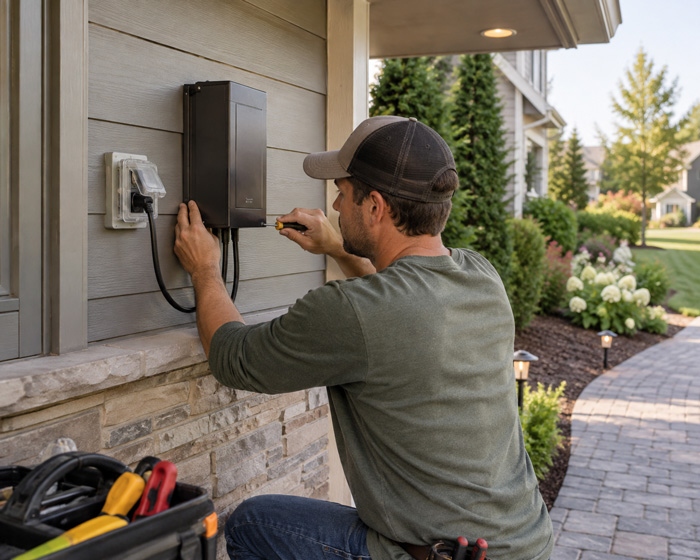
Step 1: Install the Transformer
The transformer converts household electricity into a safer low-voltage output. Mount it near an outdoor power outlet and in a location protected from direct weather exposure.
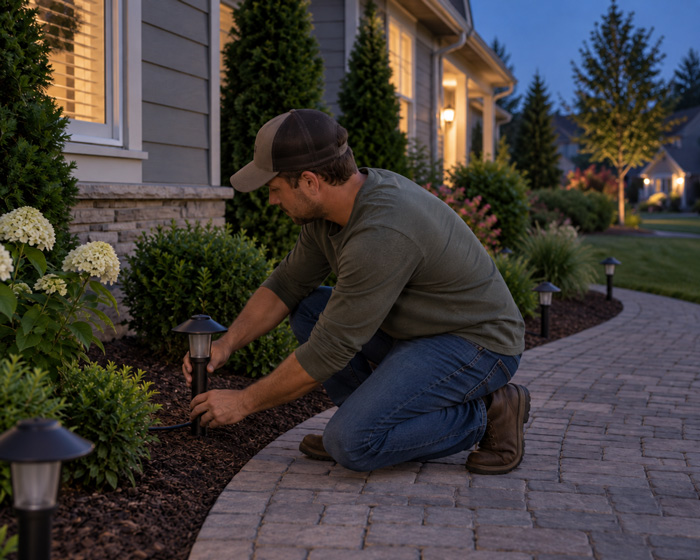
Step 2: Place the Fixtures
Position each light according to your design plan. Test the placement at night before permanently installing fixtures.
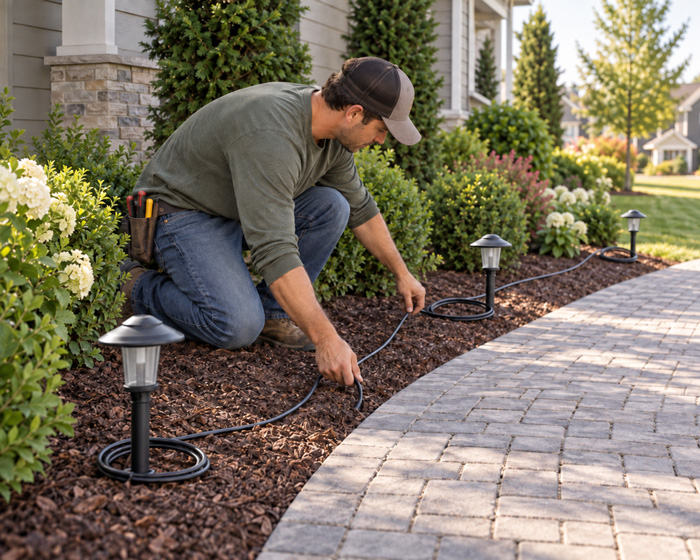
Step 3: Run the Cable
Lay the low-voltage cable along the planned route. Leave extra cable near each fixture to allow adjustments.
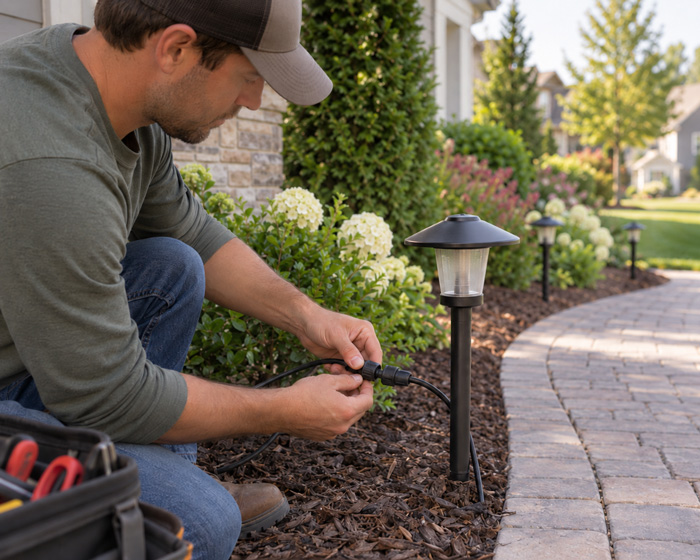
Step 4: Connect the Lights
Attach fixtures using waterproof connectors designed for outdoor use. Make sure connections are secure to prevent moisture damage.
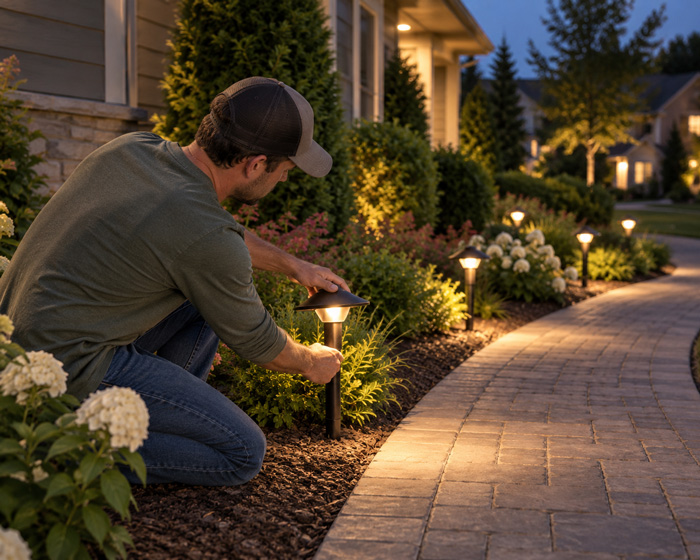
Step 5: Test the System
Turn on the lights and check brightness, coverage, and alignment. Adjust fixture angles and positions as needed.
Create a Balanced Outdoor Lighting Design
Good outdoor lighting is about creating balance rather than adding as much brightness as possible. Too many fixtures can make a yard appear unnatural, while poor placement can leave important areas dark.
Use lighting to guide movement and highlight important features. For example, placing lights along a pathway creates a clear visual direction, while upward-facing lights beneath trees can create a dramatic landscape effect.
Avoid positioning strong lights directly toward windows or seating areas because glare can reduce comfort. Instead, aim lights toward walls, plants, or architectural details to create softer reflected illumination.
Improve Energy Efficiency with Modern Lighting
Energy-efficient lighting can reduce electricity costs and extend the lifespan of your system. LED fixtures are widely used for outdoor applications because they consume less power and last much longer than traditional bulbs.
Timers and smart controls can automatically turn lights on and off according to a schedule. Motion sensors are useful for security lighting because they activate only when movement is detected. These features reduce unnecessary energy use while keeping outdoor areas functional.
Maintain Your Outdoor Lighting System
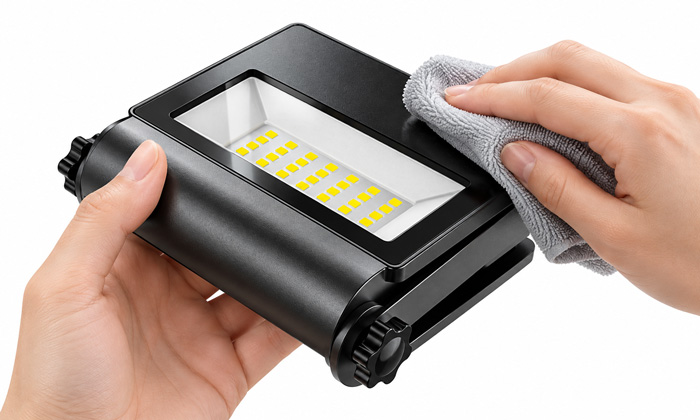
Regular maintenance keeps outdoor lighting working effectively.
Important maintenance tasks include:
- Cleaning dirt and debris from fixtures.
- Checking cables and connectors for damage.
- Replacing damaged bulbs or batteries.
- Adjusting lights after landscaping changes.
- Inspecting solar panels for dust buildup.
- Checking timers and sensors periodically.
Seasonal inspections are especially useful because outdoor conditions can affect fixtures, wiring, and connections.
Common Mistakes to Avoid
Many DIY outdoor lighting problems come from poor planning rather than installation difficulty. Installing too many lights can create excessive brightness and increase energy consumption. Choosing the wrong color temperature can also affect the atmosphere of the space.
Warm white lighting between 2700K and 3000K is generally preferred for residential outdoor areas because it creates a comfortable and inviting appearance. Outdoor fixtures should always be designed for exterior use to withstand moisture, temperature changes, and weather conditions.
Another common mistake is failing to test the lighting at night before completing installation. A layout that looks correct during the day may create shadows or glare after dark.
FAQs
