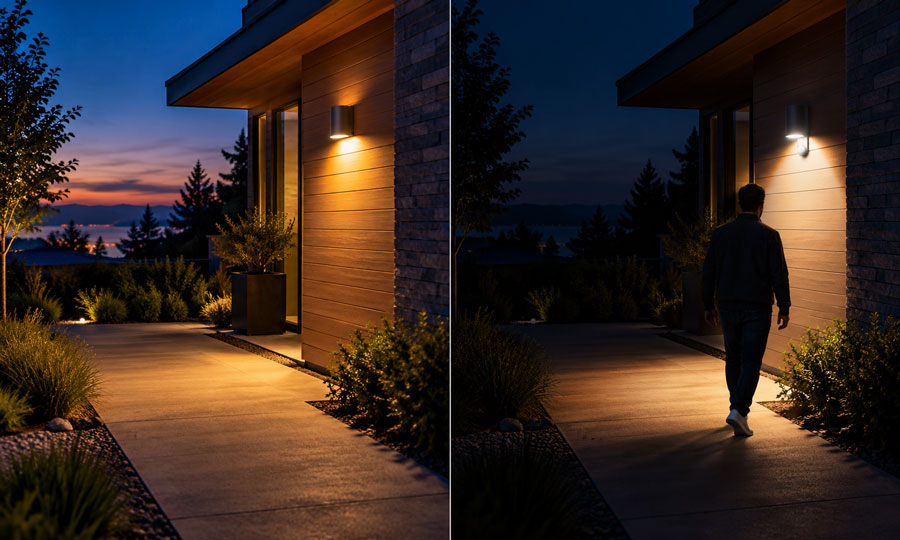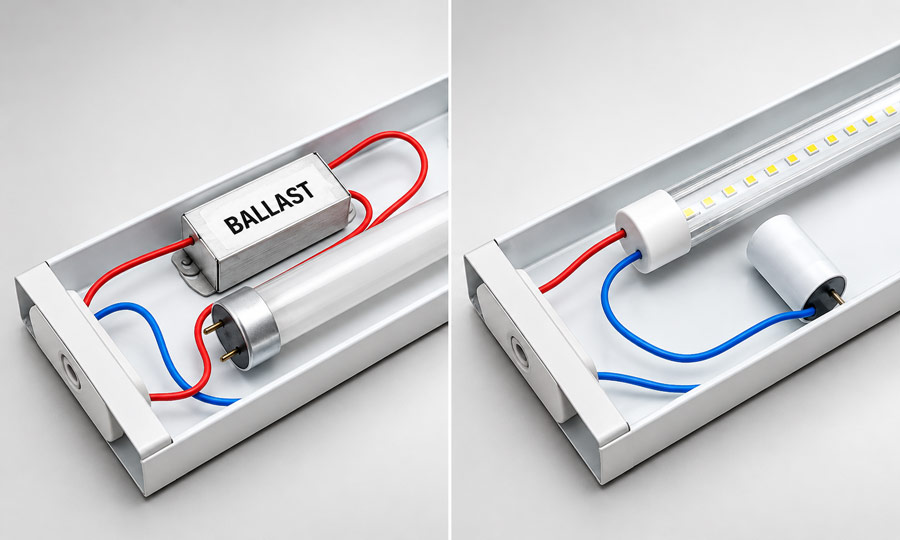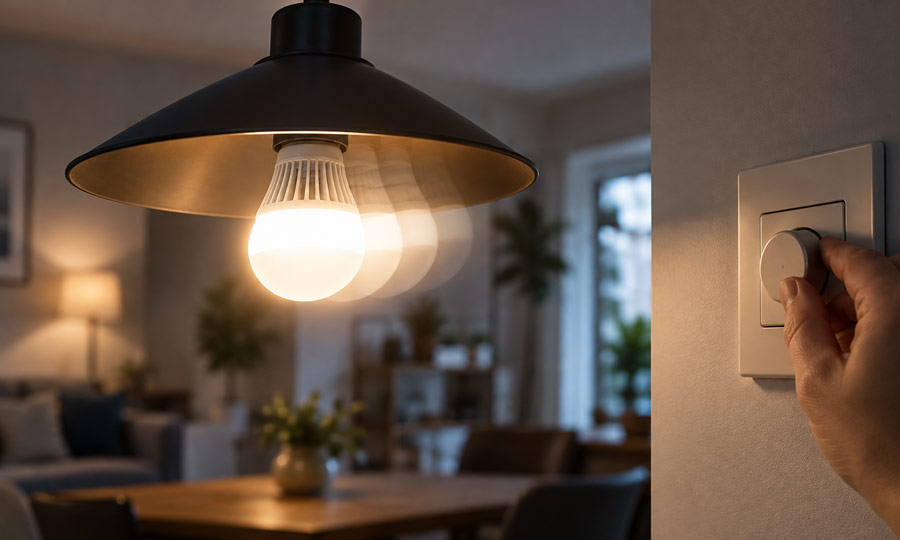

A landscape lighting timer automatically controls when outdoor lights turn on and off, helping improve safety, curb appeal, energy efficiency, and convenience. This article covers timer types, key features, installation tips, common problems, schedule settings, maintenance, and how to choose the right timer for different outdoor lighting needs.
Selecting the right lights for outdoor trees involves choosing suitable fixture types, brightness, color temperature, and beam angles to match tree size, shape, and purpose. Effective placement, including uplighting, downlighting, or decorative string options, combined with outdoor-rated LEDs, proper power sources, timers, and safety considerations, ensures attractive, durable, and well-balanced tree illumination.
Gateway installation requirements for lighting systems with multiple lights include device capacity, distance limits, signal coverage, permanent mounting, stable power, network reliability, interference control, zoning, testing, and maintenance access to ensure long-term stability and dependable lighting control.
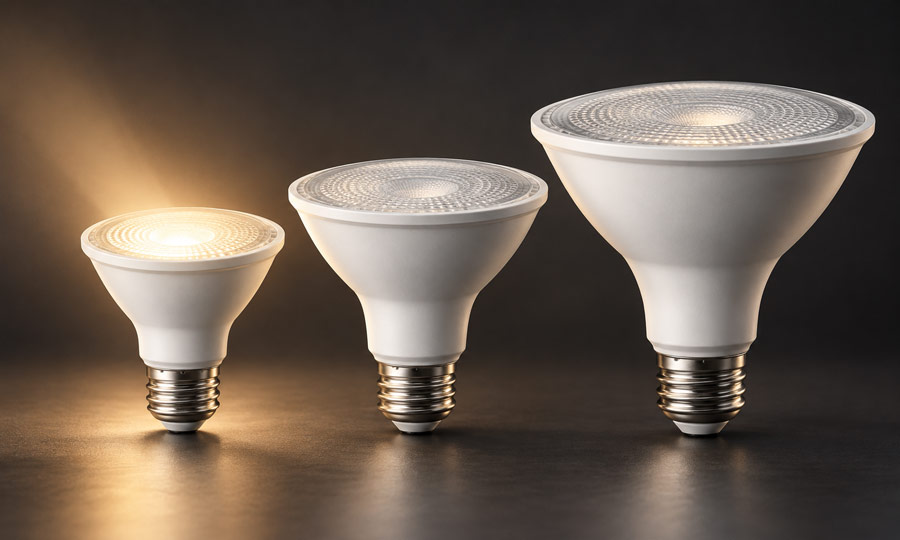
Choosing the right wattage for landscape lighting depends on the area, fixture type, brightness needs, and system layout. Common LED ranges include low watts for paths and gardens, moderate watts for decks and patios, and higher watts for trees, walls, and house uplighting, with proper transformer sizing to prevent overload.
The main components of a garden light include the LED light source, durable housing, lens or diffuser, power supply, control system, mounting parts, wiring, heat dissipation, and waterproof sealing. Each element works together to ensure stable performance, energy efficiency, safety, and long-term reliability in outdoor environments.
Landscape lighting improves outdoor spaces by adding beauty, safety, security, and functionality after dark. It highlights gardens, pathways, patios, architectural features, and entry areas while reducing trip hazards and dark corners. With energy-efficient options such as LED lights, it also enhances curb appeal and supports comfortable outdoor living.
Mediterranean garden lighting is an outdoor lighting style inspired by Italy, Greece, Spain, Morocco, and southern France. It uses warm tones, lantern-style fixtures, soft pathway lights, accent lighting, rustic metals, and candlelike effects to create a relaxed, elegant garden atmosphere. This style highlights stone, terracotta, plants, arches, pergolas, and outdoor dining areas while keeping the space comfortable, natural, and inviting after sunset.
Amp vs volt landscape lighting directly influences outdoor lighting brightness, safety, efficiency, and system lifespan. Voltage affects how consistently power reaches each fixture, while amperage shows the current load placed on the transformer and wiring. Proper balance helps prevent dim lights, flickering, voltage drop, overheating, and transformer overload, ensuring stable and reliable landscape lighting performance.