
Can Solar Lights Really Charge in Shade?
Why Shade Makes Such a Big Difference
What Type of Shade Still Allows Charging?
How to Make Solar Lights Work Better in Shaded Areas
FAQs
Solar lights have become a popular choice for gardens, walkways, patios, and outdoor décor because they are convenient, energy-efficient, and easy to install. Yet many people ask the same practical question before buying them or deciding where to place them: can solar lights charge in shade? The answer is yes, but only to a certain extent. Solar lights can still collect energy in shaded conditions, but they charge more slowly and less effectively than they do in direct sunlight. Whether they perform well in shade depends on how much light they receive, how long they receive it, and how efficient the solar panel and battery are.
Can Solar Lights Really Charge in Shade?
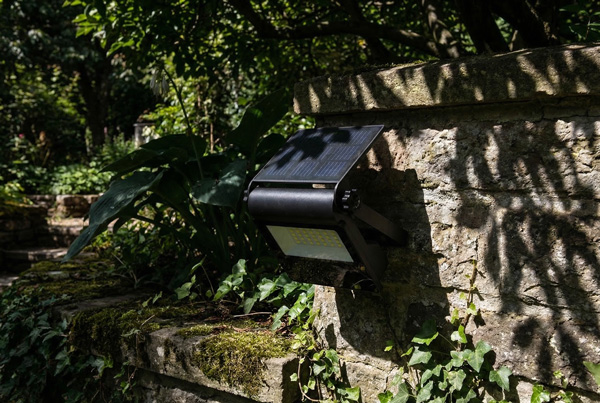
Yes, solar lights can charge in shade, because solar panels do not rely exclusively on intense direct sunlight. They can also absorb indirect and diffused daylight. This means that on cloudy days, under light tree cover, or in places that receive partial sun, solar lights may still build up enough energy to work after dark.
However, charging in shade is very different from charging in full sun. A solar panel produces the most electricity when it receives strong, direct sunlight for several hours. In shade, the available light is weaker, so the panel generates less power. As a result, the battery may not reach a full charge by the end of the day. When that happens, the light may turn on at night but appear dimmer, last fewer hours, or stop working earlier than expected.
So the real issue is not whether charging in shade is possible. It is. The more important issue is whether the light can charge enough to perform the way you want it to.
Why Shade Makes Such a Big Difference
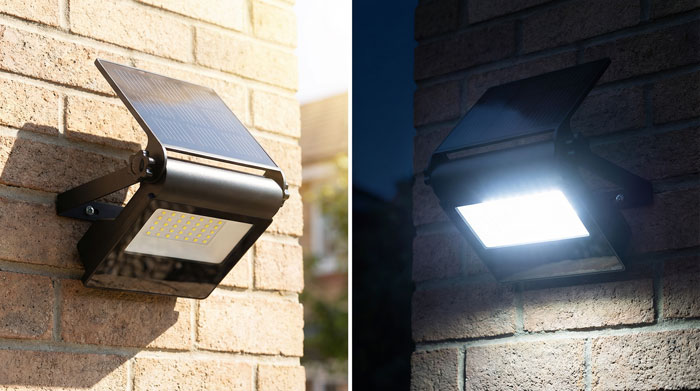
Solar lights depend on a simple process. During the day, the panel collects light and converts it into electricity. That electricity is stored in a rechargeable battery. At night, the battery powers the LED bulb. If the battery is only partly charged, the light can only give a partly satisfying performance.
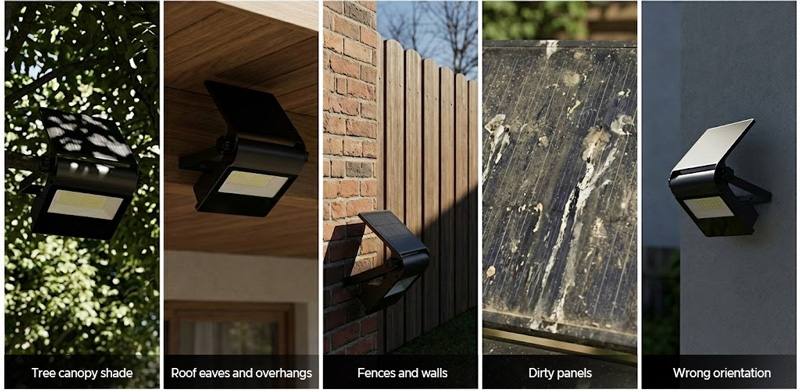
Shade interrupts this process by reducing the intensity of the light reaching the panel. A panel placed in open sunlight can gather far more energy than one placed beside a wall, under a balcony, beneath thick branches, or in the shadow of a building. Even if the shaded panel still receives daylight, the difference in power collection can be significant.
This is why two solar lights of the same model may perform very differently in two parts of the same yard. One may stay bright for most of the night, while the other fades quickly after sunset. The difference is often not the light itself, but the amount of sunlight it receives during the day.
It is also worth noting that shade is not always constant. Some locations receive morning sun and afternoon shade, or shifting patterns of light through leaves. In these cases, solar lights may still work reasonably well. But in areas that remain deeply shaded all day, performance is usually much weaker.
What Type of Shade Still Allows Charging?
Not all shade affects solar lights in the same way. Light shade or partial shade is usually manageable. For example, if a solar light gets several hours of sun and then spends the rest of the day in softer light, it may still charge enough to function well at night. Dappled sunlight, where light filters through branches or gaps, can also provide some usable energy.
Deep shade is much more difficult. If the panel is placed in a location that rarely or never receives direct sunlight, charging becomes very limited. In this kind of environment, the battery may never build up enough power for strong brightness or long runtime. The light may still turn on, but its performance will often be disappointing.
Seasonal changes also matter. A place that gets enough light in summer may become too shaded in winter when the sun is lower in the sky and daylight hours are shorter. This is one reason solar lights sometimes seem reliable in one season and weak in another.
How to Make Solar Lights Work Better in Shaded Areas
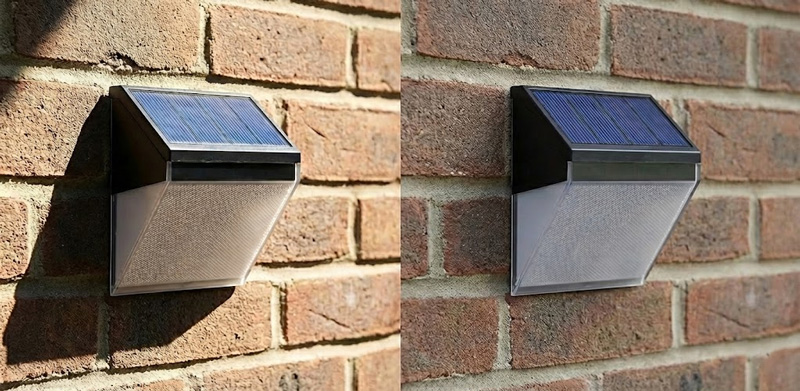
If you want to use solar lights in a shaded location, there are still ways to improve their performance. The most effective solution is careful placement. Even moving the light a few feet can sometimes make a noticeable difference if it allows the panel to catch more direct sun. Before installing a light permanently, it helps to observe how sunlight moves across the area during the day.
Another good option is choosing higher-quality solar lights. Better models often include more efficient panels, better batteries, and improved energy management. These lights cannot ignore the laws of physics, but they can make better use of limited sunlight than cheap, poorly designed products.
Some solar lights come with separate solar panels connected by a wire. This design can be especially useful in shaded gardens or decorative areas. The light itself can remain where you want it, while the panel is placed in a sunnier spot nearby. In many difficult locations, this is the best compromise between appearance and performance.
Keeping the panel clean is also important. Dust, dirt, pollen, and fallen leaves can block light and make a shaded panel even less effective. Regular cleaning will not turn shade into sunshine, but it can help the panel absorb as much available light as possible.
Finally, the battery should not be ignored. If a solar light has been in use for a long time, the battery may have weakened and no longer hold enough charge. In that case, even decent sunlight may not produce good nighttime performance. Replacing an old battery can sometimes improve results significantly.
What factors affect the charging efficiency of solar lights?
The charging efficiency of solar lights depends on factors such as:
- Sunlight intensity and duration
- Angle of the solar panel
- Quality of the solar cells
- Environmental conditions (weather, shading, etc.)
Can solar lights work on overcast days?
Yes, solar lights can work on overcast days, but they are less efficient.
Cloud cover reduces sunlight reaching the solar panel, leading to slower charging and potentially reduced brightness at night.
How can I improve the performance of solar lights in shaded areas?
To improve performance in shaded areas, try the following:
- Position solar panels where they receive at least some direct sunlight
- Clean the panels regularly to remove dirt and debris
- Use separate solar panels connected by wires to place the panel in a sunnier location
Do all solar lights use the same type of battery?
No, solar lights can use different types of rechargeable batteries, such as:
- Nickel-Cadmium (NiCd)
- Nickel-Metal Hydride (NiMH)
- Lithium-Ion (Li-ion)
Each type has different efficiency, capacity, and lifespan, affecting the performance of the solar light.
Can I use solar lights during the winter months?
Yes, solar lights can be used in winter, but their performance may be lower due to shorter daylight hours and weaker sunlight.
To improve performance, ensure the solar panel is free of snow or debris, which can help improve charging efficiency during winter months.
