

Solar garden lights have revolutionized landscape design, offering an eco-friendly and wire-free solution to illuminate pathways, flower beds, and patios. However, the most common question homeowners ask is: "How long do they actually last?"
To answer this accurately, we must distinguish between two different metrics:
- Daily Runtime: How many hours the light stays on during the night.
- Overall Lifespan: How many years the rechargeable battery (and the unit itself) will function before needing replacement.
This guide explores the technical realities of solar battery performance, the chemistry behind the power, and how to maximize the lifespan of your outdoor lighting.
1. Daily Runtime: How Long Will They Stay On Tonight?
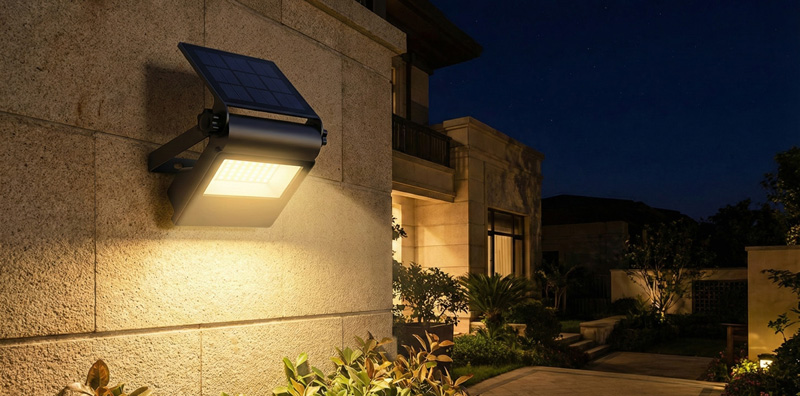
Under optimal conditions, a fully charged solar garden light should provide 8 to 10 hours of illumination.
However, this duration is not guaranteed; it fluctuates based on the efficiency of the photovoltaic (PV) panel and the capacity of the battery.
Factors Influencing Daily Runtime
- Sunlight Intensity: Solar lights require direct sunlight to charge fully. A cloudy day may result in only 4–6 hours of light.
- Seasonal Changes: In winter, shorter daylight hours and a lower sun angle significantly reduce charging efficiency. It is normal for runtime to drop to 2–4 hours during winter months.
- Shadowing: Even partial shading from a growing tree or a fence can cut energy absorption by up to 50%.
2. Overall Lifespan: When Do You Need to Replace the Battery?
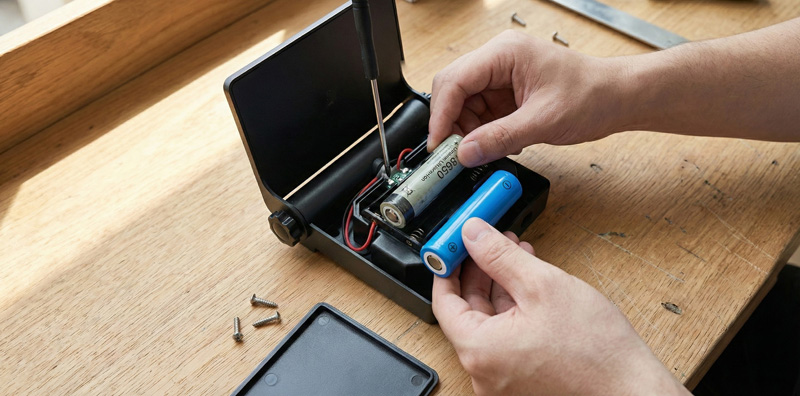
While the LED bulbs in solar lights can last for up to 100,000 hours (10+ years), the rechargeable batteries that power them are the limiting factor.
Generally, you can expect the batteries in solar garden lights to last between 2 to 4 years before they hold too little charge to be useful. The longevity depends heavily on the specific battery chemistry used in your device.
The Three Main Battery Types
|
Battery Type |
Chemistry |
Estimated Lifespan |
Characteristics |
|
NiCd |
Nickel Cadmium |
1–2 Years |
Older technology. Prone to the "memory effect" (losing capacity if not fully discharged). Toxic to dispose of. |
|
NiMH |
Nickel Metal Hydride |
2–3 Years |
The current standard. Higher energy density than NiCd and no memory effect. Environmentally friendlier. |
|
Li-ion |
Lithium-Ion |
3–5 Years |
Found in high-end spotlights. Superior energy density, performs better in temperature extremes, and lasts longest. |
Professional Note: Most generic solar lights come with lower-capacity NiCd or NiMH batteries (e.g., 600mAh). Replacing these with higher-capacity versions (e.g., 1000mAh or 2000mAh) after the original dies can often actually upgrade the performance of your light.
3. Why Do Solar Lights Fail Prematurely?
If your lights stop working after only a few months, it is rarely due to the LED burning out. It is almost always one of the following issues:
1. The "Panel Glaze"
Over time, the plastic covering the solar panel can degrade due to UV exposure, becoming cloudy or yellow. This oxidation blocks sunlight from reaching the PV cells, preventing the battery from charging.
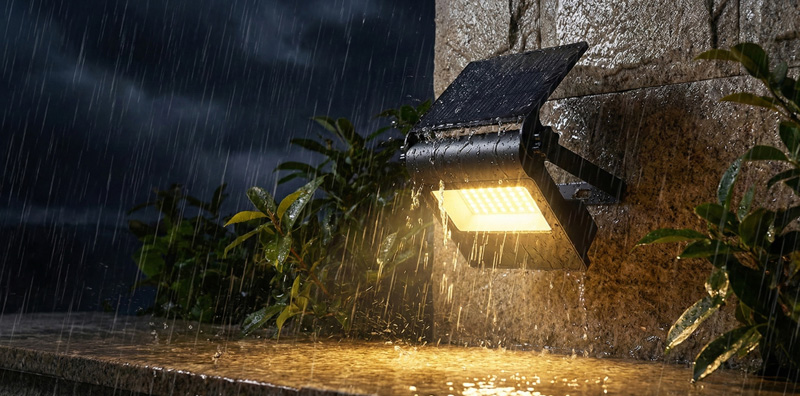
2. Water Ingress
While rated for outdoor use (usually IP44 or IP65), cheaper models may have weak seals. Rainwater can seep into the housing, corroding the battery contacts or the circuit board.
3. Dirty Panels
Dust, pollen, bird droppings, and mud act as a physical barrier. A dirty panel charges at a fraction of its potential capacity.
4. Maintenance Tips to Extend Battery Life
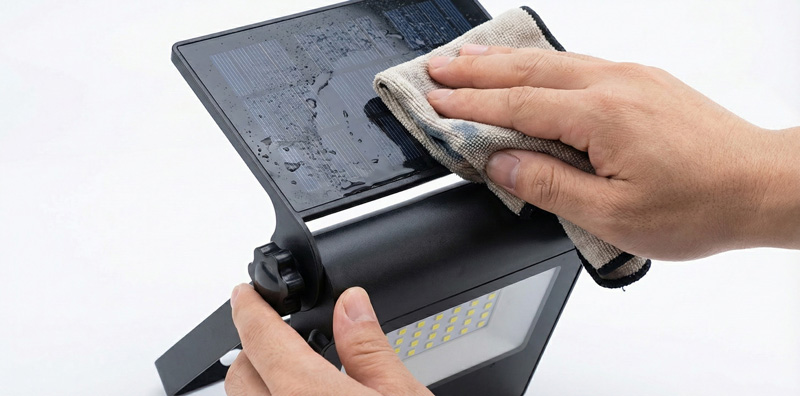
To get the maximum return on your investment, treat your solar lights as maintainable equipment rather than "set and forget" items.
- Regular Cleaning: Wipe the solar panels with a damp cloth and mild detergent once a month. Avoid abrasive scrubbers that could scratch the plastic.
- Winter Storage: If you live in a climate with heavy snow or prolonged freezing temperatures, consider bringing the lights inside. Freezing temperatures can damage the chemistry of NiMH batteries, permanently reducing their capacity.
- Switch Off to Recharge: If your lights are dim, turn the switch to the "OFF" position but leave them in the sun for 72 hours. This allows the battery to achieve a deep, full charge without discharging at night.
- Check the Contacts: When replacing batteries, inspect the metal contacts for white corrosion. If present, clean it off with a mixture of vinegar and water.
So, how long do solar garden lights last? You can expect 8+ hours of light per night and 2–4 years of total service life from the batteries.
The beauty of solar lighting lies in its simplicity, but a small amount of maintenance goes a long way. By understanding the battery chemistry and keeping the panels clean, you can ensure your garden remains beautifully illuminated for years to come.
