
Improved Energy Efficiency
Convenient Automatic Lighting Management
Extended Lifespan of Lighting Components
Enhanced Outdoor Security
Better Control of Landscape Lighting Design
Reduced Maintenance Requirements
Cost Savings Over Time
FAQs
Landscape lighting enhances outdoor spaces by improving visibility, highlighting architectural features, and creating a comfortable nighttime atmosphere. However, without proper control, lighting systems may operate longer than necessary, increasing energy use and maintenance requirements. Installing timer controls allows homeowners to manage when landscape lights operate, creating a more efficient and convenient lighting system.
Improved Energy Efficiency
One of the main benefits of timer controls for landscape lighting systems is reduced energy consumption. A timer ensures that lights operate only during scheduled hours instead of staying on throughout the night. This prevents unnecessary electricity usage and helps maintain consistent lighting performance.
A properly programmed timer can turn lights on during evening hours when outdoor visibility is needed and automatically switch them off after a set period. This approach is especially useful for LED landscape lighting systems, where controlled operation can further reduce long-term operating costs.
Convenient Automatic Lighting Management
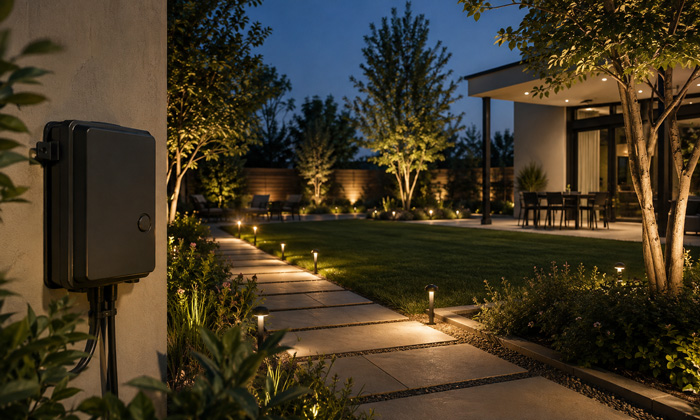
Manual operation of landscape lights can become inconvenient, especially for larger outdoor areas with multiple fixtures. Timer controls eliminate the need to switch lights on and off every day by creating an automatic schedule.
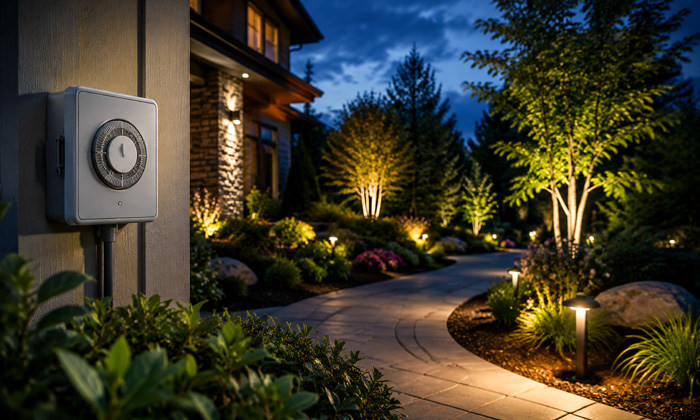
Modern systems offer different control options, including digital timers, smart timers, and timers integrated with transformers. With features such as programmable schedules and automatic operation, landscape lighting timers make it easier to maintain consistent illumination while adapting to different outdoor environments and usage patterns. Choosing the right timer type and settings helps create a more efficient lighting system that meets specific project requirements.
Extended Lifespan of Lighting Components
Landscape lighting fixtures, bulbs, transformers, and wiring components experience wear based on operating hours. Running lights longer than necessary increases usage time and may shorten component lifespan.
Timer controls reduce excessive operation by limiting lighting hours. This helps protect bulbs and fixtures while reducing the frequency of replacements. A balanced operating schedule also allows the entire lighting system to perform more efficiently over time.
Enhanced Outdoor Security
A consistent lighting schedule can improve outdoor security by maintaining visible illumination around pathways, entrances, driveways, and other important areas. Lights that automatically turn on in the evening create a more occupied appearance and improve nighttime visibility.
Timer controls are especially useful during vacations or extended periods away from home because the lighting system can continue following a normal schedule without manual operation.
Better Control of Landscape Lighting Design
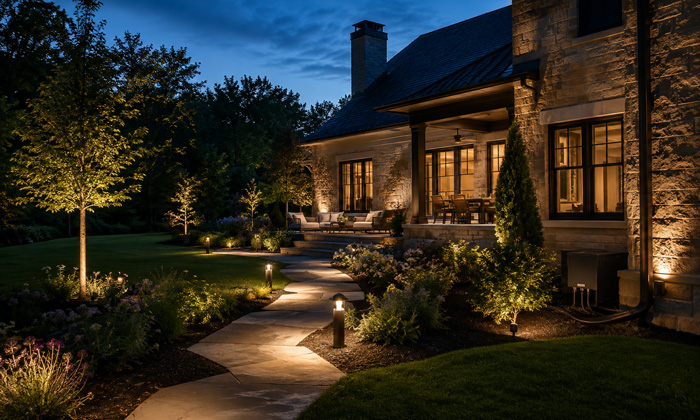
Landscape lighting is often designed with different zones, such as pathways, gardens, patios, and architectural features. Timer controls allow each area to operate according to its purpose.
For example, pathway lights may remain active during early evening hours, while decorative garden lights can turn off later at night. This flexibility helps create a comfortable outdoor environment without excessive illumination.
The effectiveness of a lighting system also depends on proper installation choices, including transformer capacity and wiring selection. The right cable size supports stable performance, and a detailed landscape lighting wire size chart guide helps determine suitable wiring options for different setups.
Reduced Maintenance Requirements
Without automation, landscape lighting requires frequent attention to switch settings, operating times, and seasonal changes. Timer controls reduce manual adjustments and make routine maintenance easier.
Many outdoor lighting transformers include built-in timers or photocell features that simplify operation. Using a 100W landscape lighting transformer with timer and photocell sensor allows landscape lighting systems to automate daily operation, improve energy management, and provide consistent illumination throughout outdoor areas.
Cost Savings Over Time
Although installing timer controls requires an initial investment, the long-term savings can be significant. Lower electricity consumption, fewer replacement parts, and reduced maintenance needs contribute to overall cost efficiency.
The total expense of a landscape lighting project depends on factors such as system size, equipment selection, installation complexity, and control features. Understanding these factors helps create a practical budget for outdoor lighting improvements, including the costs involved in installing landscape lighting systems.
FAQs
Can landscape lighting timers adjust automatically for seasonal changes?
Yes. Some advanced landscape lighting timers can adjust operating schedules based on seasonal changes, daylight variations, or preset programming.
This helps maintain consistent lighting performance throughout the year without frequent manual updates.
Are smart timers compatible with existing landscape lighting systems?
Many smart timers can work with existing low-voltage landscape lighting systems when the transformer and wiring meet compatibility requirements.
They can provide remote control, scheduling adjustments, and integration with smart home platforms.
How many landscape lights can one timer control?
The number of lights controlled by a timer depends on the timer capacity, transformer rating, and total wattage of the lighting system.
Proper load calculation helps ensure stable operation and prevents overloading.
Do landscape lighting timers work during power outages?
Some digital and smart timers include backup batteries or memory functions that preserve programmed schedules after a power interruption.
Basic timers may require resetting depending on their design.
Can timer controls be added to an existing outdoor lighting system?
Yes. Timer controls can often be installed as an upgrade to existing landscape lighting systems.
The installation process usually involves connecting the timer to the power source or transformer and configuring the preferred operating schedule.
