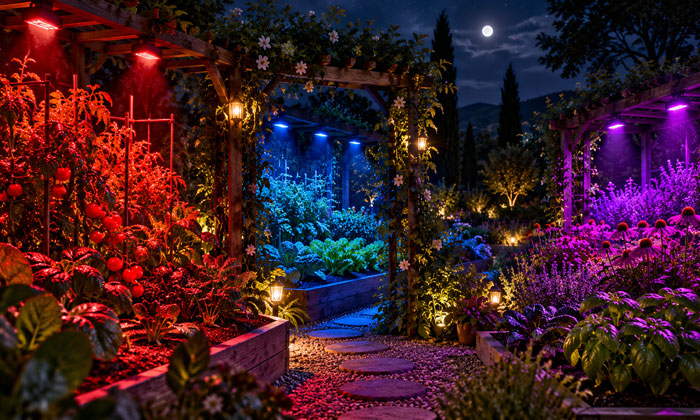
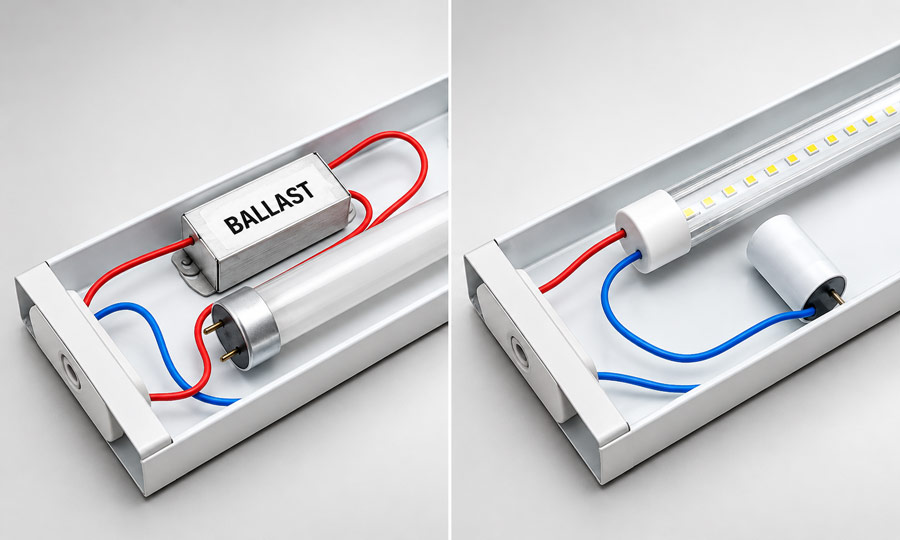
Most LED lights use drivers rather than ballasts, but Type A tubes require a compatible ballast, while Type B, Type C, and hybrid tubes have different wiring requirements, making lamp selection, fixture compatibility, installation safety, operating costs, and the correct power supply essential for reliable, efficient indoor and outdoor LED upgrades.
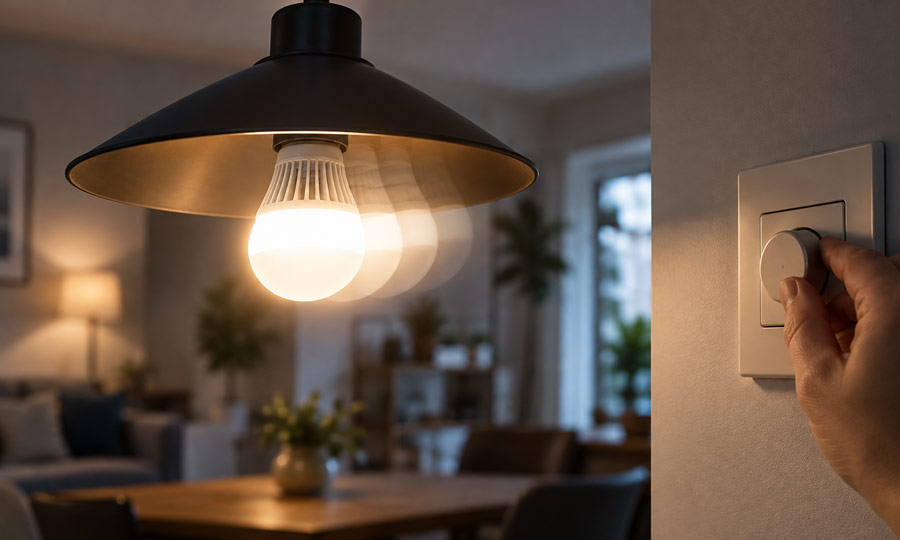
Flickering LED lights may indicate dimmer incompatibility, failing drivers, loose connections, or voltage fluctuations, with possible electrical and health risks that depend on the cause, making warning signs, safe troubleshooting, outdoor moisture protection, and timely professional inspection key to maintaining safe, reliable lighting.
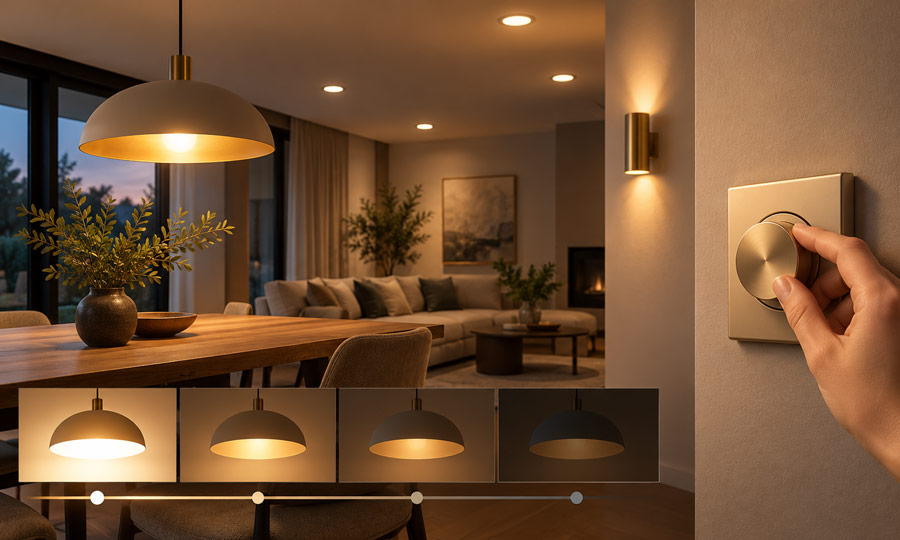
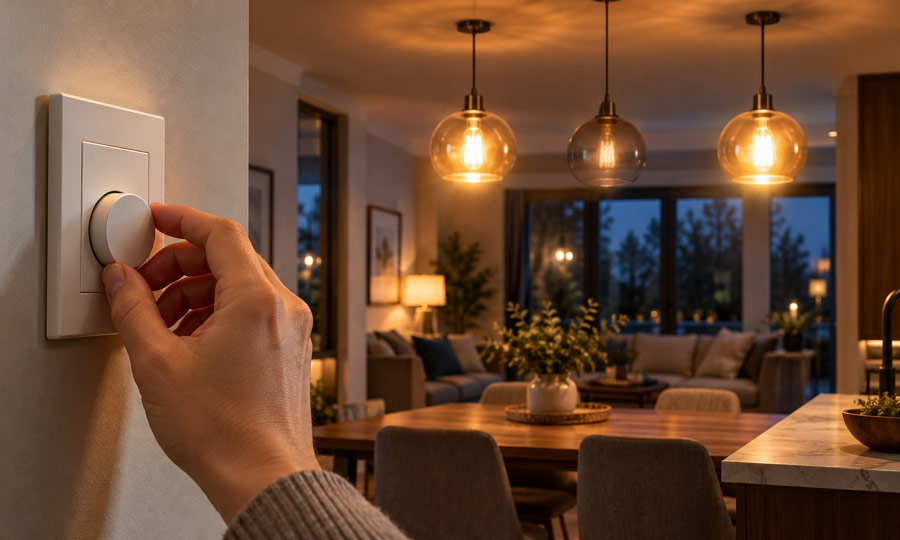
Not all light fixtures are dimmable, as smooth brightness control depends on compatible bulbs, LED drivers, transformers, and dimmer switches, with fixture specifications, dimming methods, load limits, and minimum brightness levels determining whether indoor lights or outdoor landscape lighting can be dimmed reliably or need an upgrade.
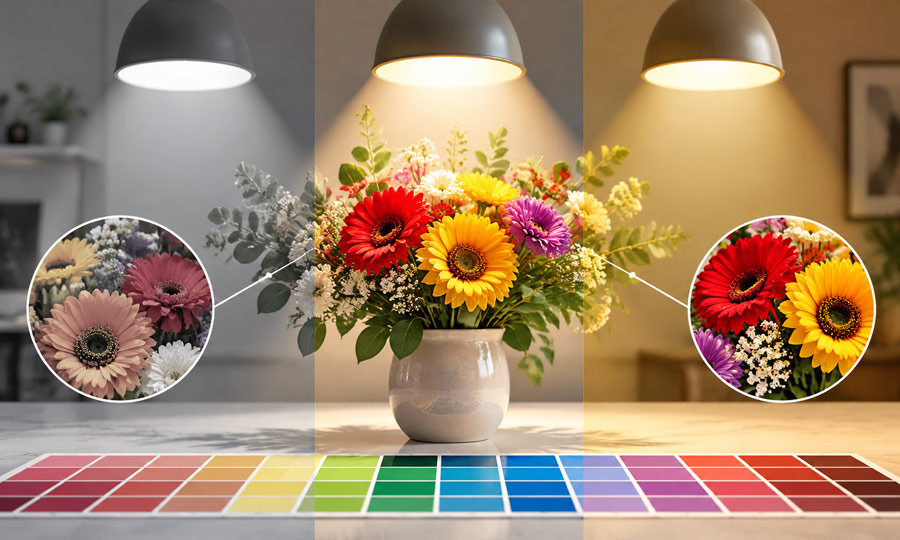
Color rendering index (CRI) measures how faithfully a light source renders object colors compared with a reference at the same color temperature, while CRI ratings, R9, and TM-30 help assess color quality and guide LED selection for homes and gardens, keeping color accuracy separate from light output and revealing the natural appearance of materials.
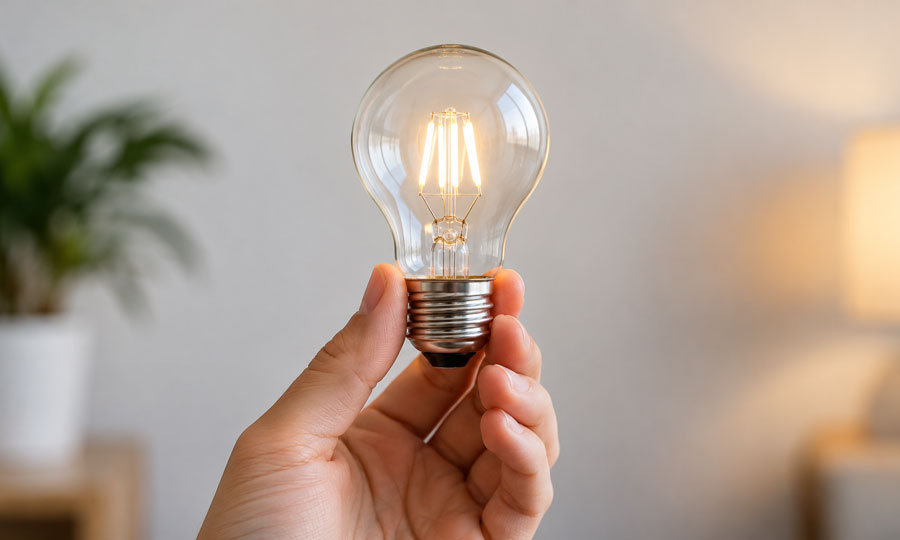
A regular household light bulb in North America is typically an A19 with an E26 base, measuring about 2.4 inches wide and 4.1 inches long, while choosing the right replacement requires checking the bulb’s exact dimensions, socket compatibility, fixture clearance, voltage, brightness, actual wattage, and suitability for enclosed fixtures or outdoor use.
Incandescent Christmas lights create a warm, nostalgic glow by heating a metal filament inside a glass bulb, with this guide covering common bulb types, differences from LEDs, electricity costs, outdoor suitability, essential safety tips, and practical answers about troubleshooting, replacement bulbs, dimming, and twinkle effects.

Lights flickering on a dimmer switch can result from incompatible LED bulbs, low brightness settings, unsuitable electrical loads, or faulty connections, so identifying the flickering pattern, checking component compatibility, adjusting the dimming range, and arranging professional inspection when needed can help restore safe, steady lighting.
Light color influences photosynthesis by determining how plants absorb and use photons, with red, blue, and green wavelengths contributing in different ways, while light intensity, exposure duration, and growing conditions work together to shape plant development and guide effective choices for indoor grow lights and outdoor garden lighting.