
Key Features of Weather Resistant Outdoor Light Fixtures
Best Types of Weather Resistant Outdoor Light Fixtures
Copper Outdoor Lights for Long-Term Durability
LED Technology for All-Season Outdoor Lighting
Solar Powered vs Mains Powered Outdoor Fixtures
Weather Resistant Outdoor Wall Lights
Garden Path Lights for Seasonal Protection
Outdoor Spotlights for Extreme Conditions
Maintenance Tips for Long-Lasting Outdoor Lights
FAQs
Outdoor lighting plays an essential role in creating functional, comfortable, and attractive exterior spaces throughout the year. Unlike indoor fixtures, outdoor lights must handle changing weather conditions, including heavy rain, intense sunlight, freezing temperatures, humidity, dust, and strong winds. A fixture that performs well during one season may fail quickly without proper weather resistance, making material quality, protection ratings, and construction design important factors when choosing outdoor lighting.
The best weather resistant outdoor light fixtures for all seasons combine durable materials, reliable sealing systems, efficient lighting technology, and designs suited for long-term outdoor exposure. From garden pathways and patios to driveways and building entrances, the right fixtures provide consistent illumination while maintaining their appearance and performance over time.
Key Features of Weather Resistant Outdoor Light Fixtures
A high-quality outdoor light fixture needs more than an attractive design. Its ability to survive year-round exposure depends on several technical features.
The first factor to consider is moisture protection, as outdoor fixtures are constantly exposed to rain, snow, and humidity throughout the year. Water entering the housing can damage electrical components, leading to corrosion, short circuits, and reduced service life. A reliable fixture should have a sealed structure and an appropriate IP rating to match its installation environment. Different levels of protection provide different resistance against water and dust, with details such as the difference between IP44 and IP65 ratings helping explain why certain outdoor lights are better suited for wetter or more exposed locations. Selecting the right protection level allows outdoor lighting to maintain stable performance in changing weather conditions.
Material selection also determines how well outdoor lighting performs across seasons. Fixtures made from corrosion-resistant metals, durable aluminum alloys, stainless steel, or copper can maintain structural strength under changing environmental conditions. Coastal areas with salty air often require materials that resist oxidation and surface damage.
Temperature resistance is another important consideration. Outdoor lights installed in open areas experience heat waves during summer and freezing conditions during winter. Quality fixtures use materials that can expand and contract without cracking, warping, or affecting internal components.
Best Types of Weather Resistant Outdoor Light Fixtures
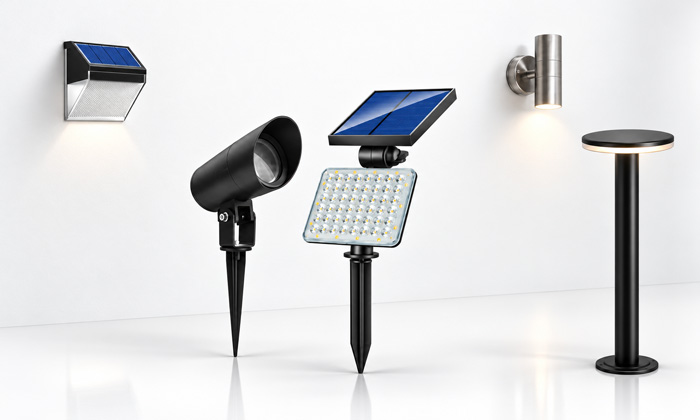
Different outdoor spaces require different lighting solutions. The best fixture depends on the location, purpose, and environmental conditions.
| Outdoor Light Fixture Type | Best Location | Weather Resistance Features | Main Benefits |
|---|---|---|---|
| Outdoor Wall Lights | Entrances, walls, garages | Sealed housing, corrosion-resistant materials | Security lighting and architectural appeal |
| Garden Path Lights | Walkways, lawns, landscapes | Waterproof design, durable stakes, UV-resistant finishes | Safe navigation and decorative effects |
| Outdoor Spotlights | Trees, plants, building features | Strong waterproof casing, adjustable angles | Highlighting landscape details |
| Deck and Step Lights | Patios, stairs, terraces | Compact sealed structure, impact resistance | Improved safety and subtle illumination |
| Solar Garden Lights | Gardens and remote areas | Weatherproof solar panels, protected batteries | Flexible installation and energy efficiency |
| String Lights | Patios, pergolas, outdoor dining areas | Waterproof sockets, shatter-resistant bulbs | Decorative atmosphere throughout the year |
Note: Fixture selection should be based on installation exposure, local climate conditions, and required lighting performance. Areas subject to frequent rain, temperature fluctuations, or direct sunlight require higher levels of protection and more durable construction materials.
Copper Outdoor Lights for Long-Term Durability
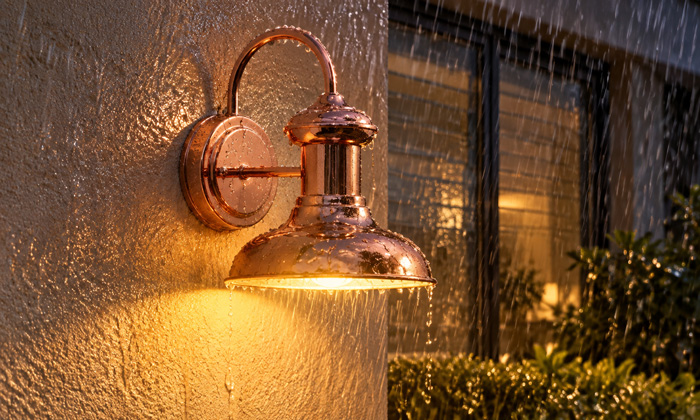
Copper is one of the most traditional materials used for outdoor lighting because of its natural durability and ability to develop a protective surface over time. Copper fixtures can withstand moisture and outdoor exposure while creating a distinctive appearance that blends well with gardens, pathways, and traditional landscapes.
One advantage of copper lighting is its resistance to corrosion compared with many standard metals. Instead of deteriorating quickly, copper gradually develops a natural patina that protects the surface. This makes it suitable for gardens, courtyards, and outdoor areas where fixtures remain exposed throughout the year.
Stainless steel is another popular choice for outdoor lighting, providing a clean modern appearance along with strong resistance to rust and weather exposure. Copper fixtures, on the other hand, offer a warmer look and develop a unique surface character over time, making them suitable for different landscape styles. Factors such as climate, maintenance needs, and overall design preferences often influence the decision between these two materials, with the performance differences between copper and stainless steel garden lights showing how each option adapts to various outdoor conditions.
LED Technology for All-Season Outdoor Lighting
LED lighting has become the preferred choice for weather resistant outdoor fixtures because of its efficiency, durability, and low maintenance requirements. Compared with traditional bulbs, LED systems produce less heat and consume less energy while providing long-lasting illumination.
For outdoor applications, LEDs are especially useful because they perform reliably in different temperatures. Many LED fixtures continue operating effectively in cold weather, while their lower energy consumption makes them suitable for long operating hours during winter nights.
LED outdoor lights also support different lighting styles, including warm white garden illumination, bright security lighting, and decorative accent lighting. This flexibility allows homeowners and designers to create outdoor spaces that remain attractive during every season.
Solar Powered vs Mains Powered Outdoor Fixtures
Power source is another major factor when selecting outdoor lighting. Solar powered fixtures provide installation flexibility because they do not require electrical wiring. They are commonly used for garden paths, flower beds, and areas where connecting to a power supply is difficult.
Mains powered outdoor lights provide consistent brightness because they receive continuous electricity. They are often preferred for security lighting, large landscapes, and areas that require dependable illumination throughout the night.
The selection between solar powered and mains powered outdoor lights should be based on installation conditions, energy requirements, and expected operating stability. Solar systems offer flexible placement without wiring, while mains powered fixtures provide consistent output for areas requiring dependable illumination. The differences between mains powered and solar powered garden lights also influence their suitability for different outdoor environments and seasonal applications.
Solar lights may have shorter operating periods during winter because reduced daylight hours and lower solar intensity can limit energy storage. Their cold-weather performance depends on factors such as battery capacity, solar panel efficiency, and installation conditions, with aspects such as solar lights working in winter reflecting how seasonal changes affect outdoor lighting operation. Selecting fixtures with suitable charging systems and durable components ensures more stable performance across different weather conditions.
Weather Resistant Outdoor Wall Lights
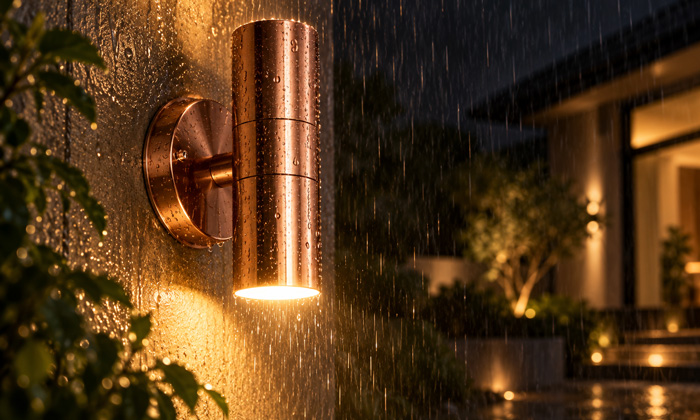
Outdoor wall lights are among the most practical fixtures for year-round use. They improve visibility around entrances, garages, balconies, and exterior walls while adding decorative value to buildings.
The best outdoor wall lights feature sealed electrical compartments, rust-resistant finishes, and durable glass or acrylic covers. Fixtures installed near exposed areas should have strong protection against rain and wind because they receive direct contact with weather conditions.
Modern outdoor wall lights often include motion sensors, automatic timers, and smart controls. These features improve convenience while reducing unnecessary energy consumption.
Garden Path Lights for Seasonal Protection
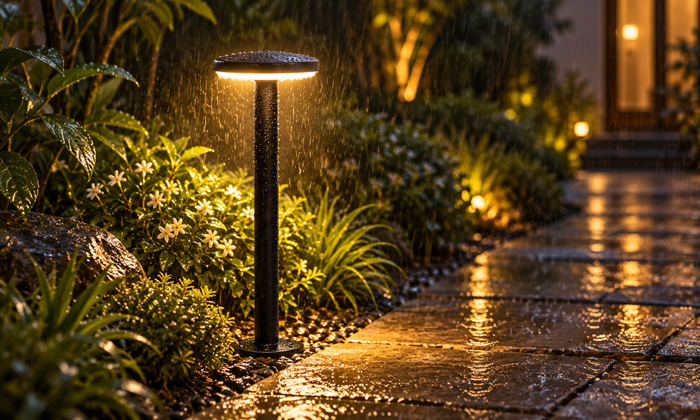
Garden path lights need to remain stable despite frequent exposure to rain, soil moisture, temperature changes, and sunlight. Strong ground installation, waterproof construction, and UV-resistant materials help these fixtures maintain performance throughout the year.
Low-level pathway lighting improves safety by clearly marking walkways and garden borders. It also enhances outdoor design by creating depth and highlighting plants, trees, and landscape features.
Solar path lights are particularly popular because they can be placed in different areas without underground wiring. However, high-quality models require durable solar panels and protected batteries to maintain reliable operation during cloudy or shorter winter days.
Outdoor Spotlights for Extreme Conditions
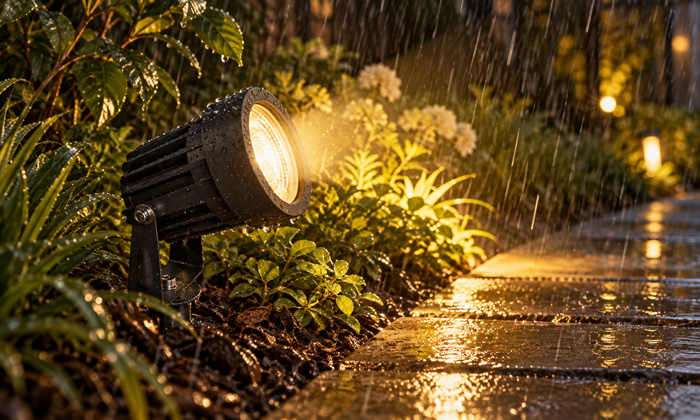
Outdoor spotlights are designed to provide focused illumination for large areas, trees, sculptures, walls, and architectural features. Because they are often installed in open locations, weather protection is essential.
A reliable outdoor spotlight should include a strong housing structure, waterproof seals, and adjustable mounting systems. Aluminum fixtures with protective coatings are widely used because they provide strength without excessive weight.
Spotlights with LED technology offer excellent brightness while reducing maintenance needs. They are suitable for homeowners who want year-round landscape enhancement without frequent replacement.
Maintenance Tips for Long-Lasting Outdoor Lights
Even weather resistant fixtures require proper care to maintain their appearance and performance. Dirt, leaves, insects, and mineral deposits can accumulate on light covers and reduce brightness over time.
Regular maintenance is essential for preserving optical performance and protecting outdoor fixtures from environmental buildup. Dust, moisture residue, and surface contaminants can gradually affect light transmission and the appearance of protective finishes. Using appropriate methods for cleaning garden lights helps maintain fixture durability while reducing the risk of material damage.
Checking seals, cables, mounting points, and connections periodically also helps identify potential issues before they become serious problems. Fixtures located in areas with heavy rain, snow, or coastal conditions may require more frequent inspection.
FAQs
