
At a Glance: The 2026 Solar Edit
Part 1: The Architectural & Minimalist Leaders
1. The "Invisible" Slim Bollard
2. Integrated Hardscape Step Lights
3. The Geometric Cage Pendant
Part 2: The Organic & Biophilic Collection
4. The Wicker & Rattan Lantern
5. Sculptural Stone Orbs (The Zen Light)
6. Copper & Brass Floral Stakes
Part 3: Atmosphere, Nostalgia, and Tech
7. Commercial-Grade Edison String Lights
8. The Smart Tunable Spotlight
9. Moroccan Shadow Casters
10. Refracted Glass Globes
The 2026 Buying Guide: What Matters Most
Conclusion
FAQs
The narrative of outdoor lighting has shifted dramatically. As we approach 2026, the garden is no longer viewed merely as a patch of grass to be mowed, but as the "fifth room" of the home—a sanctuary that requires the same interior design rigor as a living room or master suite. For years, solar lighting was the utilitarian stepchild of landscape design: often dim, notoriously blue-tinted, and encased in cheap plastic that yellowed after a single season.
That era is officially over. The 2026 aesthetic for garden solar lighting is defined by architectural integration, material authenticity, and warmth.
We are seeing a move toward "invisible technology." Homeowners no longer want to see the solar panel; they want the fixture to look like a high-end hardwired piece of art. The stark, ghostly 6000K blue-white light has been replaced by cozy 2700K warm whites and nostalgic amber filaments. From biophilic textures to sleek minimalism, the following selection represents the pinnacle of solar design for the coming year.
At a Glance: The 2026 Solar Edit
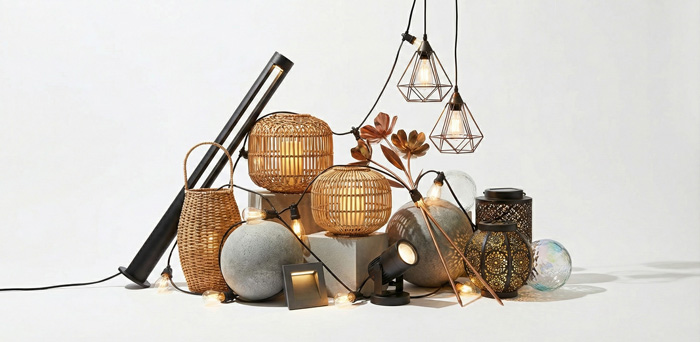
Before diving into the detailed reviews of each product, this overview provides a quick look at how these premium solar lights are positioned and used within contemporary landscape design.
|
Rank |
Model/Style |
Aesthetic Category |
Best Application |
Color Temp |
|
01 |
The "Invisible" Slim Bollard |
Architectural Minimalist |
Modern driveways & structured paths |
3000K |
|
02 |
Wicker & Rattan Lanterns |
Biophilic / Boho |
Patios, pergolas, and outdoor lounges |
2200K |
|
03 |
Integrated Hardscape Step Lights |
Stealth / Safety |
Decks, stairs, and retaining walls |
3000K |
|
04 |
Commercial-Grade Edison Strings |
Retro Industrial |
Dining areas and overhead draping |
2700K |
|
05 |
Sculptural Stone Orbs |
Zen / Organic |
Poolside, rock gardens, and lawns |
RGB/Warm |
|
06 |
Copper & Brass Floral Stakes |
Whimsical / Artistic |
Flower beds and mixed borders |
2700K |
|
07 |
Geometric Cage Pendants |
Mid-Century Modern |
Hanging from trees or shepherd hooks |
2700K |
|
08 |
Smart Tunable Spotlights |
High-Tech |
Uplighting trees and features |
Tunable |
|
09 |
Moroccan Shadow Casters |
Global / Textural |
Table centerpieces or ground accents |
2200K |
|
10 |
Refracted Glass Globes |
Classic Elegance |
Traditional pathways and entryways |
3000K |
Part 1: The Architectural & Minimalist Leaders
The first tier of our top 10 focuses on lights that blend seamlessly with modern architecture. These are designed for homeowners who prefer clean lines and unobtrusive fixtures.
1. The "Invisible" Slim Bollard
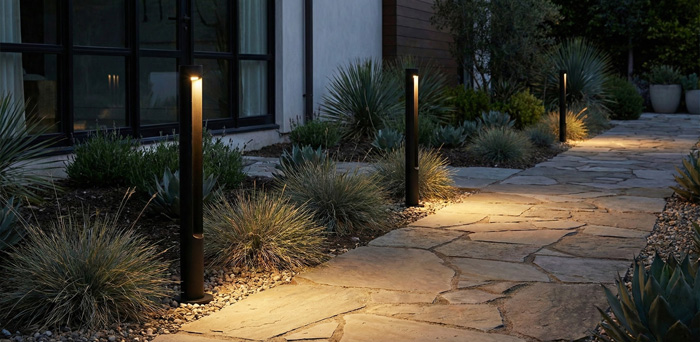
In 2026, the bulky "mushroom cap" solar light is obsolete. The Slim Bollard represents the peak of modern sleekness. These fixtures are characterized by a vertical, baton-like shape, often finished in matte black aluminum or corten steel. The solar panel is integrated flush into the top of the cylinder, making it invisible from eye level.
The magic of this light lies in its beam spread. Rather than broadcasting light in all directions (which causes glare), the Slim Bollard casts a controlled pool of light downward. This adheres to "Dark Sky" principles, reducing light pollution while perfectly illuminating the walking surface. It creates a rhythm of light and shadow along a driveway that feels expensive and curated.
2. Integrated Hardscape Step Lights
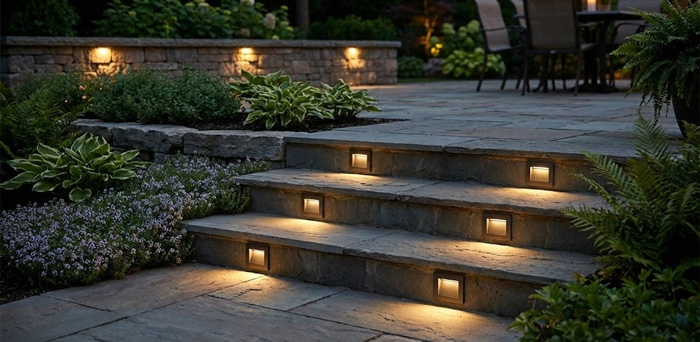
Designers in 2026 are prioritizing "source-less" lighting. The goal is to see the effect of the illumination, not the fixture itself. Integrated solar step lights are engineering marvels designed to mount flat against vertical surfaces—stair risers, retaining walls, or deck posts.
Unlike older models that protruded awkwardly, the new generation is ultra-thin (often less than an inch deep) and relies on high-density battery packs to maintain a slim profile. They cast a wash of light across the steps, ensuring safety without blinding the user. These are essential for defining the perimeter of a deck or navigating changes in elevation, turning a safety feature into a sophisticated design element.
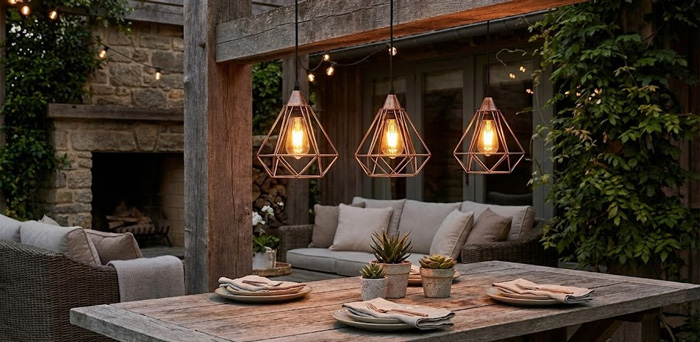
Hanging lights transform the vertical space of a garden, drawing the eye upward and making small yards feel larger. The Geometric Cage Pendant borrows heavily from mid-century modern interior trends.
-
Design Language: These feature open metal frames (diamonds, hexagons, teardrops) in matte black or brushed bronze.
-
The Effect: Because the frame is open, the light creates sharp, dramatic architectural shadows on the ground below.
-
Placement: These are best used as "outdoor chandeliers" suspended from the branch of a sturdy oak tree or hung in a cluster of three at varying heights from a pergola. They bridge the gap between industrial design and nature.
Part 2: The Organic & Biophilic Collection
The second distinct trend for 2026 is "Biophilia"—the love of nature. These lights reject the look of technology entirely, aiming instead to mimic natural materials and organic forms.
4. The Wicker & Rattan Lantern
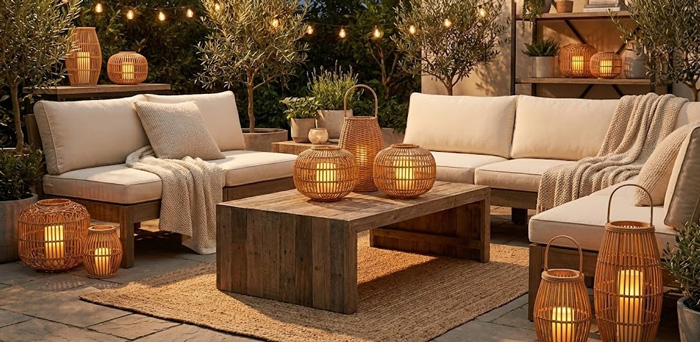
As outdoor furniture moves toward natural wovens, lighting has followed suit. These are arguably the most versatile decorative lights on the market for 2026. Encased in high-performance synthetic wicker (which resists UV damage and rain), these lanterns look like artisanal baskets by day.
-
The Glow: Inside, they utilize a deep amber LED (2200K) that flickers gently to mimic a pillar candle. The light filters through the weave, casting warm, intricate patterns that instantly make a space feel cozy (hygge).
-
Portability: Unlike staked lights, these are mobile. You can line them up on a wall for a party, then move them to the center of the dining table as the night progresses.
-
Durability: Look for "all-weather" resin wicker, which prevents the material from becoming brittle in winter or fading in summer.
5. Sculptural Stone Orbs (The Zen Light)
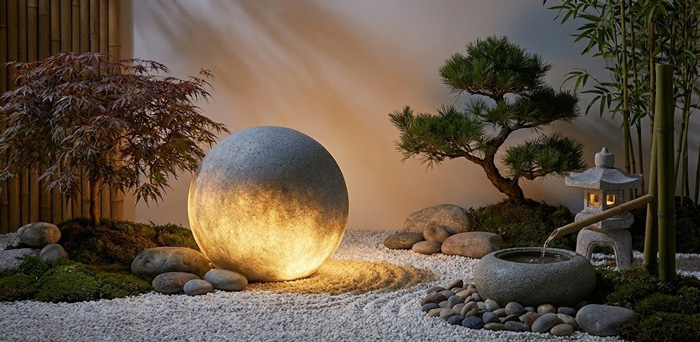
For the rock garden, the poolside, or the manicured lawn, the Stone Orb is the ultimate aesthetic choice. These fixtures are molded from durable polyethylene with a finish that convincingly mimics granite, sandstone, or river rock.
During the day, they sit passively as sculptural elements, adding weight and texture to the garden design. At night, they come alive with a diffused, ethereal glow. The 2026 models have improved opacity, meaning the light is evenly spread across the surface of the "stone," eliminating the "hot spot" where the bulb sits. They are perfect for creating a mystical, floating effect near water features or nestled among ornamental grasses.
6. Copper & Brass Floral Stakes
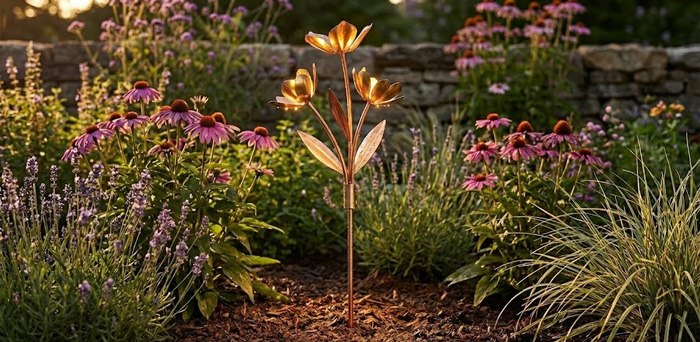
Moving away from kitsch, the floral lights of 2026 are closer to kinetic sculptures. Crafted from real copper and brass, these lights are designed to age. Over time, the copper will develop a verdigris patina, helping the fixture blend even more effectively into flower beds.
These are not the cheap plastic flowers of the past. They feature hand-shaped metal petals that shield a small, high-efficiency LED. The result is a downward-facing accent light that highlights the foliage of the plants beneath it. They are best used in "drifts" or clusters within a perennial border, adding a touch of sparkle that reveals itself only as twilight falls.
Part 3: Atmosphere, Nostalgia, and Tech
The final grouping addresses the need for specific moods—whether that is the retro vibe of a café or the high-tech control of a smart home system.
7. Commercial-Grade Edison String Lights
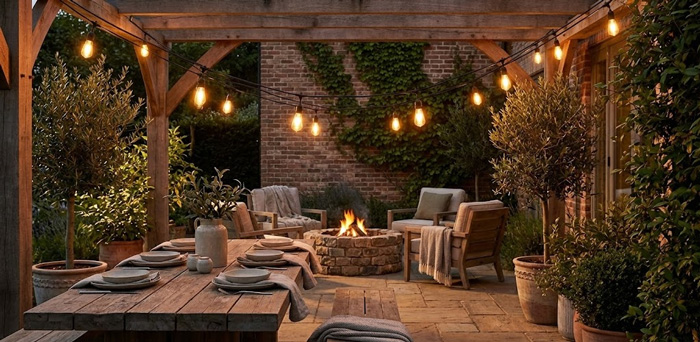
String lights have been popular for a decade, but the 2026 iterations are heavier, brighter, and more resilient. The flimsy wires are gone, replaced by thick, rubberized commercial-grade cabling that creates a satisfying drape.
The focus here is on the bulb itself. We are seeing shatterproof acrylic bulbs that contain visible faux-filaments, replicating the look of 1920s tungsten bulbs. The solar collectors for these sets are significantly larger, often detachable, allowing users to stake the panel in a sunny spot ten feet away while the lights hang in a shaded porch. They define the "ceiling" of an outdoor room better than any other fixture.
8. The Smart Tunable Spotlight
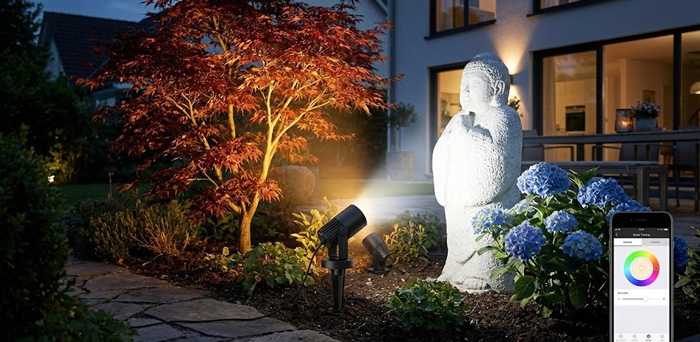
Aesthetics is not just about the fixture; it is about the quality of light. The Smart Spotlight is for the control enthusiast. Through Bluetooth or Wi-Fi integration, these lights allow you to adjust the Kelvin temperature and brightness from your phone.
-
Functionality: Uplight a Japanese Maple in warm white (2700K) for a dinner party, then switch to a cooler, brighter white (4000K) for security overnight.
-
The Look: The fixture itself is utilitarian and meant to be hidden.
-
Why it makes the Top 10: It offers "curb appeal on demand." It allows the homeowner to "paint" their house and trees with light, highlighting architectural columns or textured bark with professional precision.
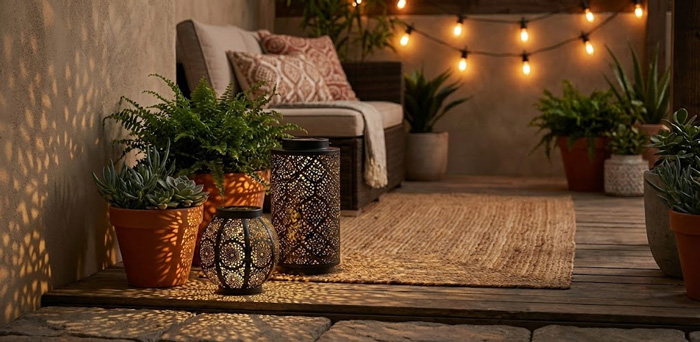
These lanterns are chosen purely for the drama of their projection. Made from punched metal (often with gold, silver, or rusted iron finishes), they feature intricate arabesque or geometric laser-cut patterns.
When the single, high-intensity LED activates, it pushes light through these perforations, throwing a 360-degree tapestry of lace-like shadows onto the surrounding patio or deck. It turns a flat, boring surface into a textured work of art. These are excellent as focal points on small balconies where space is limited but visual impact is desired.
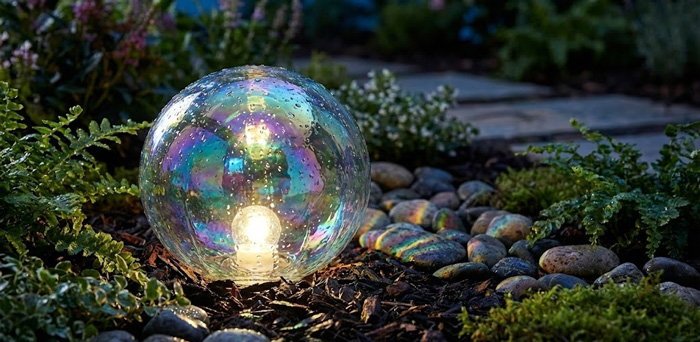
A timeless classic that has been re-engineered. The best models for 2026 use heavy, real glass with a "crackle" finish.
-
The Science of Beauty: The crackled texture acts as a refractor. A single lumen of light entering the glass is bent and scattered, making the globe appear significantly brighter and more sparkling than a clear plastic lens.
-
Aesthetic: They offer a jewel-like quality that pairs perfectly with traditional red brick paths, cottage gardens, or formal English-style landscapes. The weight of the glass also imparts a sense of permanence and luxury.
The 2026 Buying Guide: What Matters Most
When selecting from these top 10 styles, there are three technical specifications that distinguish "high-aesthetic" lights from bargain-bin options. Understanding these will ensure your garden looks professional.
1. Kelvin Temperature (The "Warmth" Factor) This is the single most important metric for aesthetics.
-
Target: Look for 2700K to 3000K. This is "Warm White." It mimics the glow of incandescent indoor bulbs and creates a welcoming, relaxing atmosphere.
-
Avoid: Anything labeled "Daylight" or "Cool White" (5000K+). In a garden setting, this light looks blue, harsh, and unnatural. It washes out the colors of green leaves and red bricks, making the landscape look flat.
2. Battery Chemistry In 2026, the best lights have moved away from NiCd and NiMH batteries toward LiFePO4 (Lithium Iron Phosphate).
-
These batteries have a much higher energy density, meaning the lights stay brighter for longer (often 8-10 hours).
-
They have a longer lifespan (years vs. months) and perform better in cold weather.
3. Material Authenticity Plastic degrades. UV radiation from the sun makes plastic brittle and cloudy.
-
The Investment: Always prioritize fixtures made of aluminum, stainless steel, copper, glass, or UV-stabilized polyethylene.
-
The Payoff: While they cost 20-30% more upfront, they will maintain their aesthetic appeal for 3-5 years, whereas plastic fixtures often look "tired" after one summer.
The garden of 2026 is a place of sophisticated relaxation. The lighting you choose should reflect that. By selecting fixtures that prioritize warm color temperatures, architectural integration, and genuine materials, you are doing more than just lighting a path—you are curating an experience. Whether you choose the invisible sleekness of the Slim Bollard or the organic charm of a Wicker Lantern, the goal remains the same: to extend the beauty of your home into the outdoors, creating a space that is as enchanting by moonlight as it is by sunlight.
How does the lamination material of the solar panel affect the fixture's longevity?
While most consumers focus on the battery, the solar panel lamination is often the first point of failure.
Lower-cost garden lights typically use epoxy lamination, which degrades, yellows, and becomes cloudy under UV exposure within 6–12 months, drastically reducing charging efficiency.
For high-aesthetic 2026 models, look for panels laminated with PET (Polyethylene Terephthalate) or ETFE (Ethylene Tetrafluoroethylene).
ETFE is self-cleaning, non-stick, and maintains up to 95% transparency for 5–7 years, ensuring consistent performance long after installation.
What IP (Ingress Protection) rating is strictly required for lights placed near irrigation systems?
Many decorative outdoor lights are rated IP44, which is splash-resistant and suitable for rain.
However, for fixtures installed near lawn sprinklers or high-pressure irrigation systems, IP44 is insufficient.
You should select fixtures rated at least IP65. The “6” indicates complete dust protection, while the “5” ensures resistance to low-pressure water jets from any direction.
Using IP44 lights in active sprinkler zones will allow moisture ingress, leading to corrosion and premature failure.
Why do high-end solar lights flicker or fail to activate despite receiving full sunlight?
This issue is often caused by photocell interference.
Premium solar lights use highly sensitive dusk-to-dawn sensors, sometimes integrated directly into the panel’s voltage logic.
If the fixture is placed near streetlights, porch lights, or highly reflective surfaces (such as white stone or marble pavers), ambient light may exceed the dusk threshold (typically above 15 lux).
This can cause the light to remain off or cycle on and off. Relocating the fixture or installing a glare shield to block artificial light usually resolves the issue.
How should high-aesthetic solar fixtures be stored during off-season months?
Simply switching decorative solar lights “Off” during winter storage is not sufficient.
Lithium-based batteries, including LiFePO4, can suffer permanent damage if left at 0% charge for extended periods due to parasitic drain.
Recommended storage protocol:
- Switch the unit to “Off.”
- Charge the light in direct sun for 1–2 full days.
- Store in a cool, dry location.
- If possible, remove the battery or provide a top-up solar charge once every three months.
Are the internal components of premium 2026 solar fixtures replaceable or disposable?
Premium 2026 solar fixtures increasingly align with the Right to Repair movement.
Unlike older sealed designs, high-quality architectural solar lights now feature modular construction with accessible battery compartments and replaceable LED modules.
When purchasing premium fixtures, look for manufacturers offering 2+ year warranties and confirm that batteries are standard sizes such as 18650 or 14500 Li-ion, rather than proprietary soldered packs.
This ensures the fixture can be refreshed after its typical 3–5 year battery life, protecting both performance and long-term investment.
