
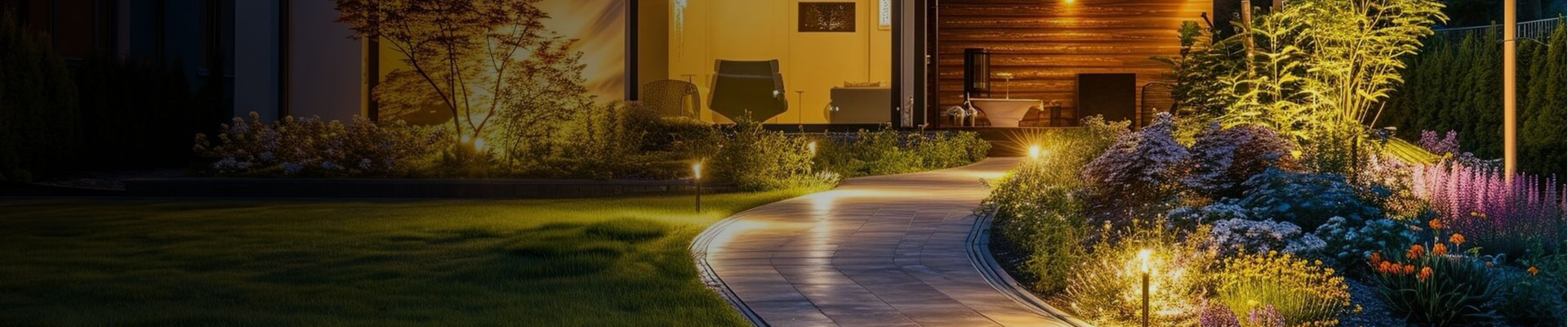
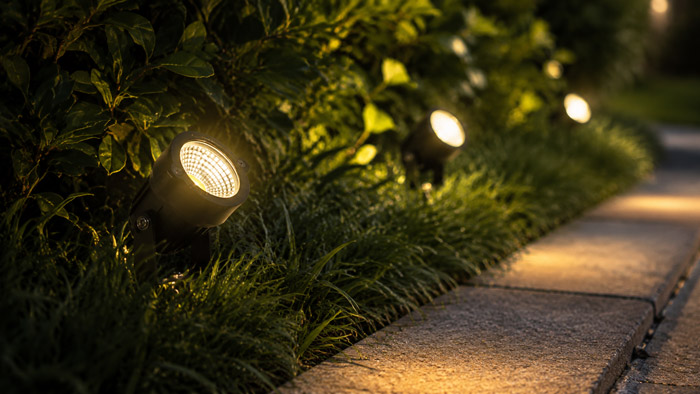
Garden lighting plays a crucial role in enhancing outdoor spaces by improving visibility, safety, and aesthetic appeal. Whether used for pathways, landscapes, or decorative accents, a garden light is a carefully engineered product composed of several essential components. Understanding these parts helps in selecting the right lighting solution, ensuring durability, and optimizing performance.
Light Source
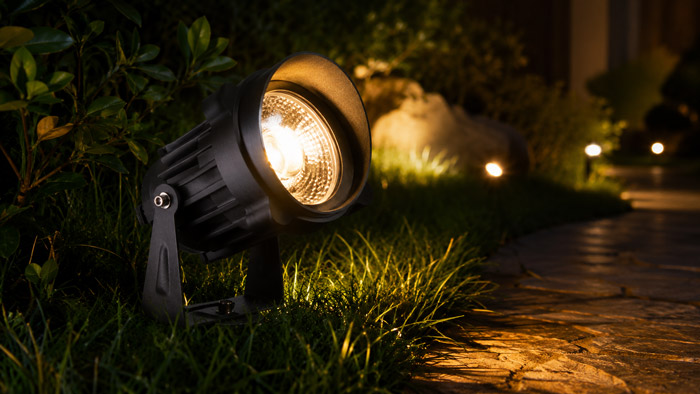
The light source is the core functional element of any garden light. It determines brightness, color temperature, energy consumption, and lifespan. Modern garden lights predominantly use LED technology due to its efficiency and longevity.
LEDs consume significantly less power compared to traditional incandescent or halogen bulbs while providing consistent illumination. They also generate less heat, which is important for outdoor fixtures exposed to varying weather conditions. Additionally, LEDs allow for flexible design options, including warm ambient lighting or bright white task lighting.
Housing (Fixture Body)
The housing, also known as the fixture body, is the outer structure that encloses and protects the internal components. It is typically made from materials such as aluminum, stainless steel, or high-quality plastic.
A well-designed housing must be corrosion-resistant, especially for outdoor environments exposed to moisture, dust, and UV radiation. Powder-coated aluminum is commonly used because it offers both durability and aesthetic versatility. The housing also plays a role in heat dissipation, which directly affects the lifespan of the light source.
Lens or Diffuser
The lens or diffuser is positioned over the light source and controls how light is distributed. It can be clear, frosted, or textured depending on the desired lighting effect.
A clear lens provides maximum brightness and sharp illumination, making it suitable for functional lighting such as pathways. A frosted or diffused lens softens the light, reducing glare and creating a more comfortable ambiance for decorative applications. High-quality materials such as tempered glass or UV-resistant polycarbonate are often used to ensure long-term clarity and durability.
Power Supply
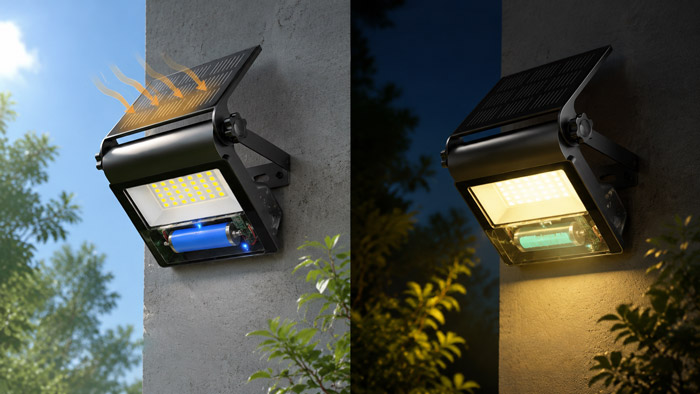
The power supply provides the necessary energy for the garden light to operate. This component varies depending on the type of lighting system.
For wired garden lights, the power supply is typically connected to the main electrical system, often through a transformer that converts high-voltage electricity to low voltage for safety. In solar-powered lights, the power supply consists of a rechargeable battery that stores energy collected from sunlight during the day. The efficiency of the power system directly impacts the reliability and performance of the lighting.
See also: Solar Powered Garden Lights Battery Life: How Long Does It Last?
Control System
The control system determines when and how the garden light operates. It enhances energy efficiency and user convenience.
Common control options include manual switches, timers, motion sensors, and photocells. Photocells automatically turn lights on at dusk and off at dawn, making them ideal for outdoor applications. Motion sensors add a layer of security by activating lights only when movement is detected. Advanced systems may include smart controls that allow users to manage lighting through mobile apps or integrate with home automation systems.
Mounting Components
Mounting components secure the garden light in place and determine its installation method. These vary based on the type of fixture and intended use.
For example, spike mounts are used for landscape lighting and can be easily inserted into the ground. Wall-mounted fixtures require brackets or backplates for stable installation. In-ground lights need specialized housings that protect them from pressure and water infiltration. Proper mounting ensures stability, safety, and optimal light positioning.
Wiring and Connectors
Wiring and connectors form the internal and external electrical pathways that link all components together. In outdoor lighting systems, these elements must be highly durable and weather-resistant.
Low-voltage cables are commonly used in garden lighting for safety reasons. Waterproof connectors and sealed joints prevent moisture intrusion, which can cause electrical failures. High-quality wiring is essential for maintaining consistent performance and reducing maintenance issues over time.
Heat Dissipation System
Although often overlooked, heat management is a critical aspect of garden light design, especially for LED fixtures. Excess heat can reduce efficiency and shorten the lifespan of the light source.
Heat sinks, usually made of aluminum, are integrated into the fixture to dissipate heat away from sensitive components. A well-designed thermal system ensures stable operation even in high-temperature environments, which is particularly important in outdoor settings exposed to direct sunlight.
Sealing and Waterproofing Elements
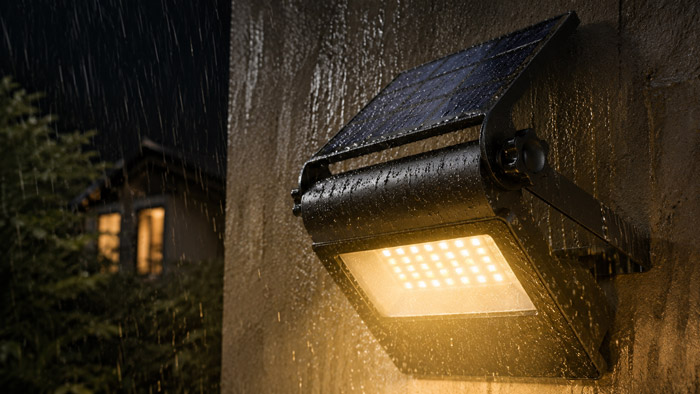
Garden lights must withstand harsh outdoor conditions, including rain, dust, and temperature fluctuations. Sealing components such as gaskets, O-rings, and waterproof seals play a vital role in protecting the internal parts.
These elements help achieve specific ingress protection (IP) ratings, such as IP65 or IP67, indicating resistance to water and dust. Reliable sealing not only extends the lifespan of the fixture but also ensures safe operation in all weather conditions.
FAQs
How does the IP rating affect the durability of a garden light?
The IP rating shows how well a garden light resists dust and water. A higher IP rating usually means better protection against rain, dirt, and outdoor weather, so the light lasts longer and is less likely to fail outdoors.
For most garden lighting, IP65 or above is commonly recommended.
What is the difference between solar garden lights and wired garden lights?
Solar garden lights use sunlight to charge a battery during the day and operate without external wiring, while wired garden lights connect directly to the home’s electrical system through a transformer.
Solar lights are easier to install, but wired lights usually provide more stable brightness and more reliable performance.
See also: Mains-Powered vs Solar-Powered Garden Lights: Which Is the Better Choice?
Why is aluminum commonly used for garden light housing?
Aluminum is popular because it is lightweight, durable, and easy to install.
It also dissipates heat well, which helps protect LED components and supports a longer fixture lifespan.
How do motion sensors improve the performance of garden lights?
Motion sensors make garden lights turn on only when movement is detected, which saves energy and reduces unnecessary runtime.
They also improve safety and security by lighting up paths, entrances, or outdoor spaces when someone approaches.
What maintenance is needed to extend the lifespan of a garden light?
Regular maintenance includes cleaning the lens, checking wiring and connectors, tightening loose parts, and inspecting the fixture for water damage or corrosion.
Keeping the light free of dirt and ensuring all seals remain intact helps maintain brightness and extends service life.
