
Understand Your Landscape Lighting Goals
Consider Fort Myers Weather Conditions
Choose the Right Types of Outdoor Lighting
Select Energy-Efficient LED Lighting
Choose the Right Light Color Temperature
Create a Layered Landscape Lighting Design
Plan Fixture Placement Carefully
Consider Smart Controls and Timers
Match Lighting Style With Your Property
Common Mistakes to Avoid When Choosing Landscape Lighting
FAQs
Outdoor lighting is an important part of landscape design in Fort Myers. A well-planned lighting system can improve nighttime safety, highlight the beauty of tropical plants, and create comfortable outdoor spaces for relaxing and entertaining. However, choosing the right outdoor lighting requires more than simply installing a few fixtures around the yard. Homeowners need to consider their landscape layout, lighting purpose, fixture quality, energy efficiency, and Florida’s unique outdoor conditions.
The right landscape lighting should enhance the property without overpowering the natural features. Whether the goal is to illuminate pathways, showcase palm trees, improve poolside visibility, or create a welcoming outdoor atmosphere, a carefully designed lighting plan can make a significant difference.
Understand Your Landscape Lighting Goals
Before choosing outdoor lighting for your Fort Myers property, it is important to determine what you want the lighting system to achieve. Every landscape has different needs. Some homeowners focus on safety by improving visibility around walkways, stairs, and entrances. Others want to highlight decorative elements such as trees, gardens, water features, or architectural details.
Understanding your priorities helps you choose the right fixtures and avoid unnecessary lighting. A successful landscape lighting design should provide enough illumination for comfort and safety while maintaining a natural appearance.
Consider how your outdoor areas are used at night. A patio designed for family gatherings may require soft ambient lighting, while a pathway leading to the entrance may need brighter directional lighting. The purpose of each area should influence the type and placement of lighting fixtures.
Consider Fort Myers Weather Conditions
Fort Myers has a warm, humid climate with frequent rainfall, strong sunlight, and coastal weather influences. Because outdoor lighting fixtures are exposed to these conditions throughout the year, durability is an important factor when making a selection.
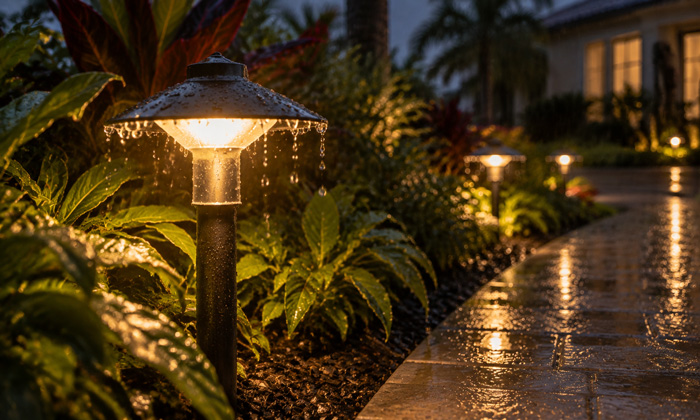
High-quality outdoor lighting should be built with weather-resistant materials and designed to prevent moisture damage. Fixtures made from corrosion-resistant materials such as brass, stainless steel, or durable aluminum typically perform better in Florida environments.
Choosing lighting products specifically designed for outdoor use with an IP65 waterproof rating or higher can reduce maintenance problems and extend the lifespan of the system. Lower-quality fixtures may appear affordable initially but can require frequent replacement due to rust, water damage, or electrical issues caused by exposure to rain, humidity, and outdoor conditions.
Choose the Right Types of Outdoor Lighting
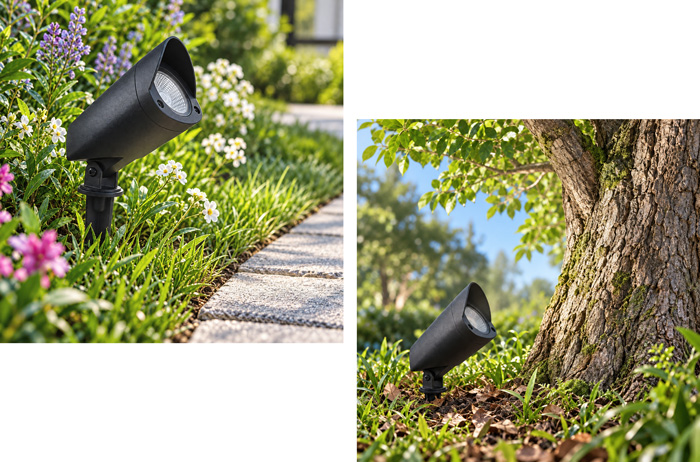
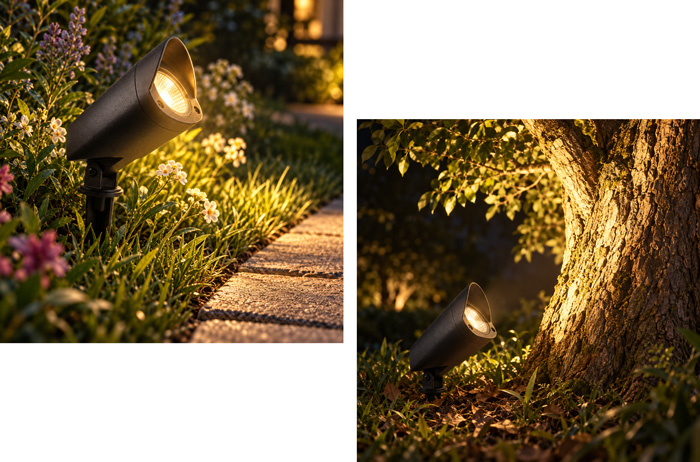
The Lumetro LM-C48001 LED Spike Light is a ground-mounted luminaire designed for landscape lighting applications. Equipped with a GU10 light source, it is commonly used along pathways and at the base of trees to provide upward illumination, emphasizing vegetation structures and outdoor features. The adjustable design allows flexible light direction for different landscape layouts.
Different areas of a landscape require different lighting techniques. Using a combination of fixture styles creates a balanced and attractive outdoor environment.
The most common landscape lighting options include:
- Pathway lighting: Used along walkways, driveways, and garden paths to improve safety while adding visual structure. These lights should be spaced carefully to create a natural effect rather than a runway appearance.
- Accent and uplighting: Designed to highlight landscape features such as palm trees, large plants, sculptures, and architectural details. Uplighting can add depth and make important features stand out after dark.
- Downlighting and area lighting: Installed above or around outdoor spaces to create soft illumination for patios, seating areas, and entertainment zones.
A combination of these lighting methods creates layers of light, allowing different areas of the landscape to serve different purposes.
Select Energy-Efficient LED Lighting
LED lighting is one of the most practical choices for outdoor landscaping in Fort Myers. Compared with traditional bulbs, LED fixtures consume less energy, have longer lifespans, and require less maintenance.
For homeowners with larger yards or multiple lighting zones, LED systems can provide consistent performance while helping control long-term energy costs. They are also available in different brightness levels and color temperatures, making them suitable for both functional and decorative applications.
When selecting LED landscape lighting, consider the brightness level carefully. Outdoor lighting should enhance the landscape rather than create excessive glare.
Choose the Right Light Color Temperature
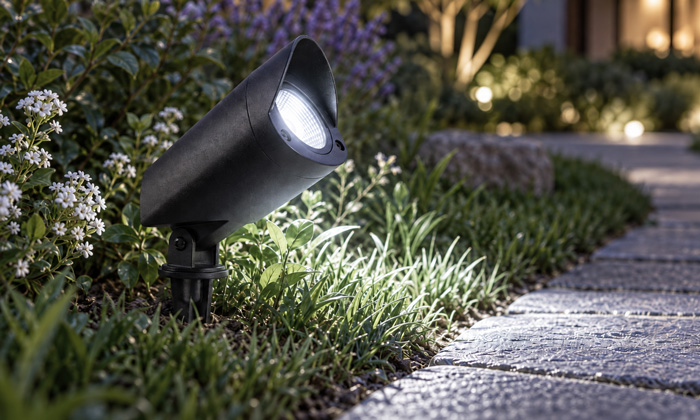
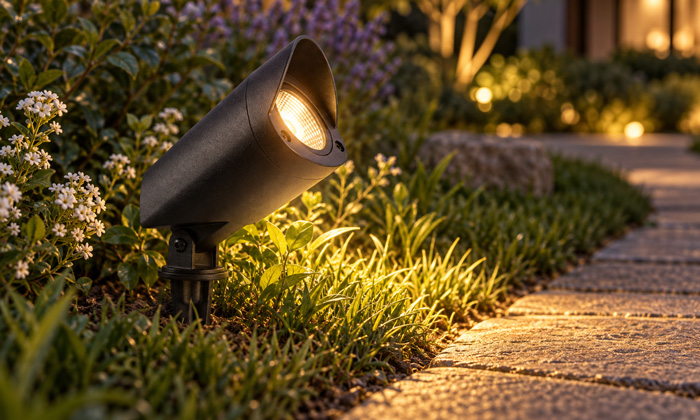
Slide left or right to explore the difference between warm white and cool white lighting, and find the ideal color temperature for your space.
The color temperature of outdoor lighting affects the overall atmosphere of a landscape. Warm white lighting is often preferred for residential outdoor spaces because it creates a comfortable and inviting appearance.
A warm light tone works especially well with tropical landscaping, wooden structures, stone surfaces, and outdoor seating areas commonly found in Fort Myers homes. Cooler lighting may be suitable for certain security applications, but excessive use can make outdoor areas feel harsh and less natural.
Maintaining a consistent color temperature throughout the landscape helps create a professional and visually balanced result.
Create a Layered Landscape Lighting Design
A well-designed outdoor lighting system should include different layers instead of relying on a single lighting method. Layered lighting creates depth and improves both appearance and functionality.
A complete design usually combines ambient lighting for general outdoor comfort, task lighting for areas that require visibility, and accent lighting to highlight specific landscape features.
For example, a backyard patio may use soft overhead lighting for gatherings, pathway lighting for safe movement, and accent lighting to showcase surrounding plants. This approach creates a more natural nighttime environment.
Plan Fixture Placement Carefully
The location of each fixture is just as important as the fixture itself. Poor placement can create glare, uneven brightness, or unwanted shadows.
Before installation, observe the landscape during the evening and identify areas that need attention. Test different lighting angles to determine how plants, walls, and outdoor structures appear at night.
In many cases, the best lighting designs keep fixtures hidden while allowing the light effect to become the main focus. The goal is to make the landscape look naturally enhanced rather than obviously illuminated.
Consider Smart Controls and Timers
Modern outdoor lighting systems often include timers, sensors, and smart controls that improve convenience and efficiency. These features allow homeowners to schedule lighting operation, control different areas separately, and reduce unnecessary energy use.
For example, pathway lights can automatically turn on in the evening, while decorative landscape lighting can be programmed for specific hours. Smart controls are especially useful for homeowners who want consistent lighting performance without manually adjusting the system.
See also: How to Set Landscape Lighting Timer?
Match Lighting Style With Your Property
Outdoor lighting should complement the style of the home and landscape. Fixtures should support the overall design rather than become the main visual feature.
Modern properties often benefit from simple, low-profile fixtures, while traditional homes may work well with decorative designs. Tropical landscapes in Fort Myers typically look best with subtle lighting that emphasizes plants, textures, and outdoor living spaces.
A successful lighting design creates harmony between the home, landscape, and outdoor environment.
Common Mistakes to Avoid When Choosing Landscape Lighting
Many homeowners make mistakes when installing outdoor lighting because they focus only on adding brightness. Effective landscape lighting is about balance, not simply using more fixtures.
Common issues include:
- Installing too many lights, which can make the landscape appear artificial.
- Mixing different light colors, creating an inconsistent appearance.
- Ignoring maintenance requirements, resulting in dirty or poorly positioned fixtures.
A thoughtful lighting plan uses the right amount of illumination in the right locations. Quality fixtures, proper placement, and regular maintenance all contribute to long-lasting performance.
FAQs
See also: How Far Apart Should Pathway Lights Be?
See also: How to Clean Garden Lights?
