

Should Solar Lights Be On or Off During Charging?
How the Solar Light Switch Affects Charging
How Long Should Solar Lights Charge Before Use?
Do Solar Lights Need Direct Sunlight to Charge?
Should Solar Lights Stay On All the Time?
What to Do When Solar Lights Stop Charging Properly
Resetting Solar Lights Can Improve Performance
Solar Lights Compared With Mains-Powered Garden Lights
FAQs
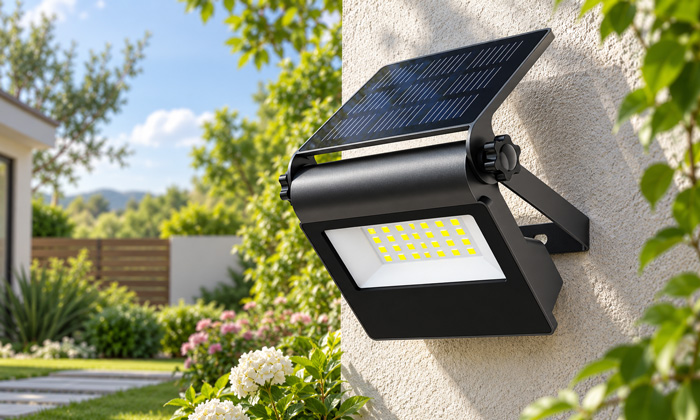
Solar lights are designed to collect energy from sunlight during the day and use that stored power to illuminate outdoor areas at night. However, many homeowners wonder whether the lights should be switched on or off while charging. The answer depends on the type of solar light and how the switch works, but in most cases, leaving the light switched off during the first charging period can help the battery reach a full charge more efficiently.
For daily use, most solar lights are designed to remain switched on. Their built-in sensors automatically detect darkness and turn the LED lights on at night while allowing the solar panel to collect energy during daylight hours. Understanding how the switch affects charging and operation can help you get better performance and longer battery life from your outdoor solar lighting.
Should Solar Lights Be On or Off During Charging?
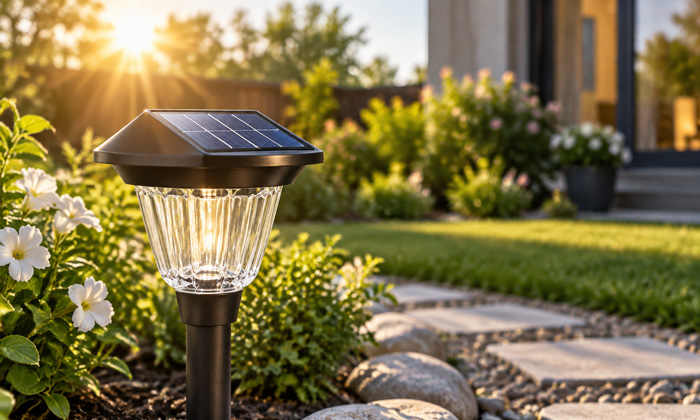
When charging solar lights for the first time, it is generally better to keep them switched off. Turning the light off prevents the LED from using stored energy while the solar panel is collecting power. This allows more of the harvested solar energy to be stored in the rechargeable battery.
New solar lights often need several hours of direct sunlight before they can provide reliable nighttime lighting. Keeping the switch off during this initial charging stage gives the battery time to build up enough capacity for normal operation.
After the first full charge, the switch can usually be turned on. The solar light will then operate automatically, charging during the day and providing illumination after sunset.
How the Solar Light Switch Affects Charging
The switch on a solar light usually controls the LED operation rather than the solar panel itself. In many designs, the solar panel continues charging the internal battery whether the light is turned on or off.
However, when the light remains on during daylight hours due to a sensor issue or incorrect setup, the stored energy may be used unnecessarily. This can reduce the amount of power available at night and make the light appear weaker.
A simple charging routine can improve performance:
- Turn the light off when charging for the first time.
- Place the solar panel in an open area with sufficient sunlight.
- Allow the battery to charge fully before regular use.
- Keep the switch on after setup so the automatic sensor can control operation.
How Long Should Solar Lights Charge Before Use?

Charging time varies depending on battery capacity, sunlight conditions, and solar panel quality. A new solar light may need a full day of sunlight exposure before reaching its best performance. Factors such as cloudy weather, seasonal changes, and shading can affect how much energy the panel collects.
The placement of the solar panel has a direct impact on charging efficiency. Solar lights work best when the panel receives strong sunlight throughout the day, allowing the battery to store more energy for nighttime use. Factors such as sunlight intensity, weather conditions, and panel positioning can all affect how long solar lights take to charge and how well they perform over time.
Do Solar Lights Need Direct Sunlight to Charge?
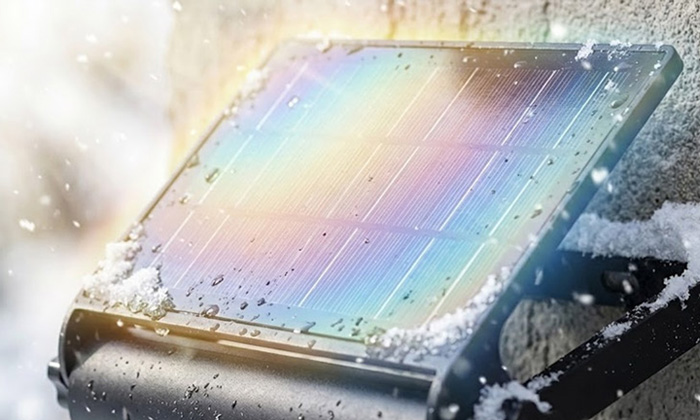
Solar lights perform best with direct sunlight because solar panels generate more energy when they receive stronger light. A location with several hours of unobstructed sunlight usually provides better charging results than a shaded area.
However, direct sunlight is not the only factor that affects charging. Solar panels can still collect some energy under cloudy conditions, although the charging process may take longer and the battery may not reach full capacity as quickly.
The position of the solar panel matters as much as the amount of sunlight it receives. Solar lights can still charge in different lighting conditions, but placing them in an area with better sun exposure will improve performance, as explained by factors affecting whether solar lights need direct sunlight. Avoid placing solar lights under trees, near tall walls, or in areas blocked by buildings, as these obstacles can reduce the energy collected by the panel and affect nighttime operation.
Should Solar Lights Stay On All the Time?
For most outdoor solar lights, keeping them switched on is the normal operating method. Once charged, the built-in light sensor manages the daily cycle. The solar panel charges the battery during the day, and the LED turns on automatically when the surrounding light level drops.
Leaving the lights on does not mean they are constantly using power. During daylight, the sensor prevents unnecessary lighting, allowing the system to focus on collecting solar energy.
There are situations where switching solar lights off is useful:
- When storing them for a long period.
- When replacing or checking the battery.
- When troubleshooting performance problems.
- During extended periods without sunlight.
For regular garden lighting, switching them on and allowing the automatic controls to work is usually the most convenient approach.
What to Do When Solar Lights Stop Charging Properly
Sometimes solar lights may appear to stop charging even when they are placed outdoors. Common causes include dirty solar panels, old batteries, blocked sensors, or incorrect switch settings.
Cleaning the solar panel regularly helps maintain energy collection. Dust, leaves, and other debris can reduce the amount of light reaching the photovoltaic cells.
Battery performance also declines over time. Rechargeable batteries have a limited lifespan, and an aging battery may not store enough energy to keep the light running throughout the night.
When a solar light suddenly stops working, checking the basic components can often help identify the problem. Issues such as dirty solar panels, battery problems, or sensor failures are common reasons solar lights stop working, and finding the exact cause can help restore normal performance.
Resetting Solar Lights Can Improve Performance
A solar light that does not charge or illuminate correctly may sometimes need a reset. This can help the internal sensor and battery system return to normal operation.
A typical reset process involves turning the light off, allowing the system to rest, checking the battery connection, and then placing the light back in sunlight. The exact method depends on the product design, but resetting is often a simple step before replacing parts.
Some solar lights may experience temporary sensor errors after storage, weather changes, or battery replacement. In many cases, a simple reset can help the system return to normal operation, especially when the light stops charging or fails to turn on correctly. The process of resetting solar lights involves several basic steps that can help restore normal charging and lighting functions.
Solar Lights Compared With Mains-Powered Garden Lights
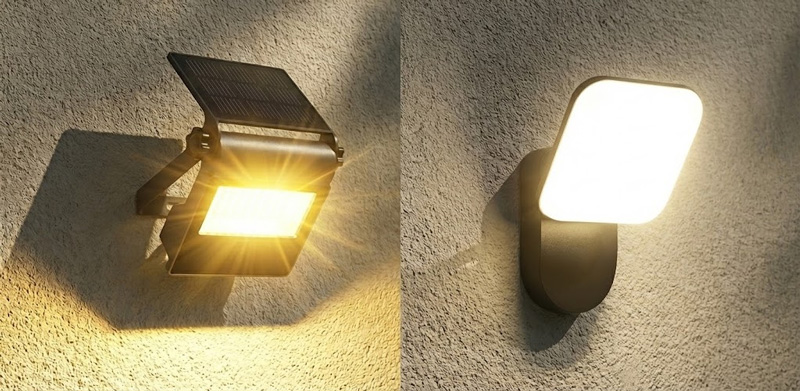
Solar lights are popular because they do not require electrical wiring and can be installed in flexible outdoor locations. They use renewable solar energy and are especially suitable for pathways, gardens, and decorative areas.
Mains-powered garden lights provide a continuous electricity supply and may offer stronger brightness or more consistent performance in areas with limited sunlight. The right choice depends on your lighting goals, installation conditions, and maintenance preferences.
A comparison between these two lighting options can help homeowners decide which system fits their outdoor space better. Factors such as installation requirements, energy use, and long-term maintenance can influence the choice between mains-powered and solar-powered garden lights, especially when planning outdoor lighting for different environments.
FAQs
Can solar lights charge on cloudy days?
Yes, solar lights can still charge on cloudy days because solar panels can collect indirect sunlight.
However, the charging speed is usually slower compared with bright sunny conditions, and the battery may store less energy for nighttime use.
Why do solar lights turn on during the day instead of charging?
Solar lights may turn on during daylight hours when the light sensor does not detect enough sunlight.
Dirty solar panels, nearby shadows, sensor problems, or incorrect placement can prevent the system from recognizing daytime conditions properly.
See also: Why Do Solar Garden Lights Only Turn On When There Is Light?
Should solar lights be moved indoors during winter?
Solar lights can usually remain outdoors during winter, but extreme weather conditions and shorter daylight hours may affect charging performance.
Moving them to a brighter location or protecting them from heavy snow and moisture can help maintain operation.
How often should solar light batteries be replaced?
Most rechargeable solar light batteries last around one to three years depending on usage, weather exposure, and battery quality.
Reduced brightness or shorter lighting time at night are common signs that the battery may need replacement.
Can leaving solar lights on every night damage the battery?
No, leaving solar lights switched on during normal use does not usually damage the battery.
The built-in controller manages charging and power usage, allowing the light to charge during the day and operate automatically at night.
