

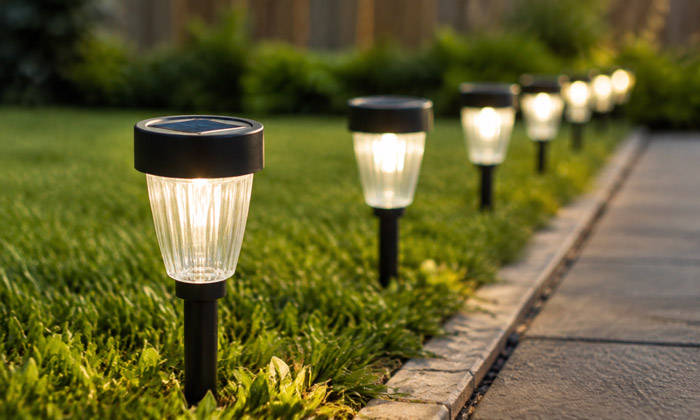
How Solar Garden Lights Normally Work
Why Do Solar Garden Lights Turn On When There Is Light?
The Role of the Light Sensor
Why Solar Lights Need Light Sensors
How to Keep Solar Garden Lights Working Properly
FAQs
Solar garden lights are designed to provide automatic outdoor lighting without requiring electricity from the grid. They charge during the day using sunlight and illuminate gardens, pathways, and yards at night. However, many people notice a confusing situation: their solar garden lights sometimes turn on only when there is light, instead of turning on in darkness as expected.
The reason is usually related to how the light sensor, solar panel, battery, and control circuit work together. Understanding these components helps explain why solar garden lights behave this way and how the system is designed to operate.
How Solar Garden Lights Normally Work
A solar garden light operates through a simple but efficient energy cycle. Each part of the system has a specific role, and all components work together to provide automatic outdoor lighting.
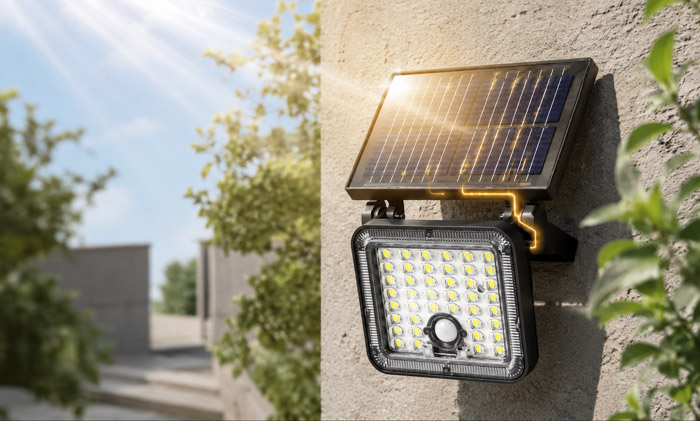
Energy Collection During the Day
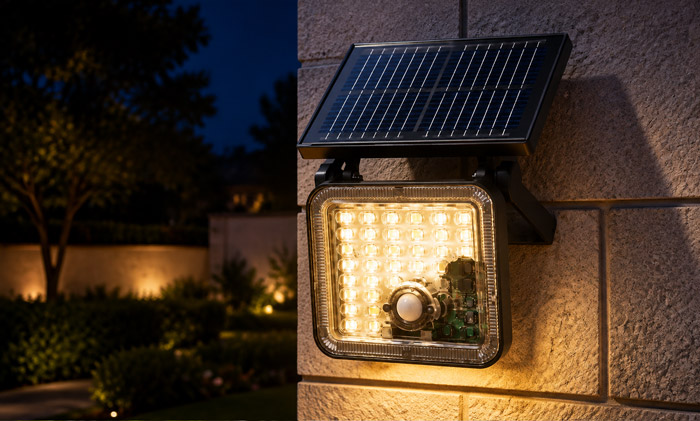
The solar panel is responsible for collecting sunlight and converting it into electrical energy. When exposed to sunlight, the panel generates power that is transferred to the rechargeable battery for storage.
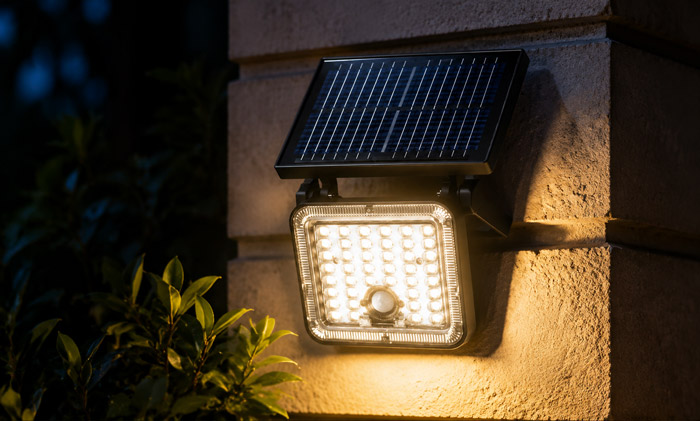
Energy Storage for Night Use
The rechargeable battery stores the electricity collected during the day. The amount of energy stored depends on the quality of the solar panel, the amount of sunlight received, and the battery capacity.
This stored power is used to operate the LED bulb after sunset.
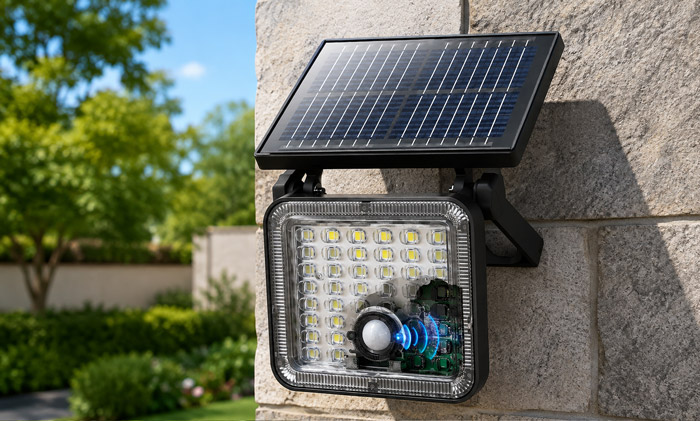
Automatic Light Control
A light sensor continuously monitors the surrounding brightness. During the daytime, the sensor detects strong light and signals the control circuit to keep the LED turned off.
This prevents the battery from wasting energy when natural light is already available.
Nighttime Illumination Process
When the environment becomes dark, the sensor detects the decrease in light intensity and activates the control circuit.
The stored electricity in the battery is then delivered to the LED bulb, allowing the solar garden light to turn on automatically.
Why Do Solar Garden Lights Turn On When There Is Light?
If a solar garden light turns on only when there is light, it usually means the light sensor is detecting conditions incorrectly. The sensor is designed to distinguish between daytime and nighttime, but several factors can affect its operation.
1. The Light Sensor May Be Blocked or Dirty
The light sensor is usually located near the solar panel. Dust, leaves, dirt, or other materials can interfere with its ability to detect brightness accurately.
When the sensor receives incorrect signals, the control system may misunderstand the environment. It may think it is nighttime even during the day, causing the LED to turn on when sunlight is present.
Regular cleaning of the solar panel and sensor area can help maintain accurate detection.
2. The Solar Panel May Not Receive Enough Sunlight
Solar lights depend on sufficient sunlight to charge properly. If the solar panel receives weak or limited sunlight, the battery may not store enough energy.
A weak battery can cause unusual behavior, including:
- Turning on briefly during the day
- Turning off quickly at night
- Failing to operate consistently
- Responding incorrectly to light conditions
The solar panel should be placed in an open location where it can receive several hours of direct sunlight.
3. The Battery May Be Weak or Damaged
Rechargeable batteries inside solar garden lights have a limited lifespan. After many charging cycles, the battery capacity decreases.
When the battery cannot store enough power, the control circuit may behave unpredictably. The light may appear to work only under certain lighting conditions because the stored energy is insufficient for normal operation.
| Battery Condition | Possible Light Behavior |
|---|---|
| New battery with full charge | Normal automatic operation |
| Low battery | Short lighting time or weak brightness |
| Aging battery | Irregular switching behavior |
| Damaged battery | Light may fail completely |
Replacing an old rechargeable battery can often restore normal performance.
The Role of the Light Sensor
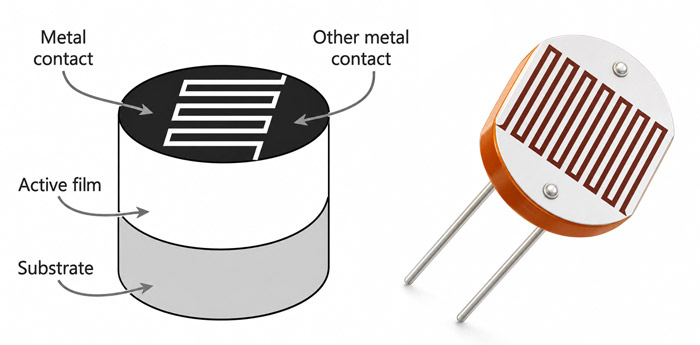
The light sensor is the most important part for automatic switching. Most solar garden lights use a small photoresistor, also called a light-dependent resistor (LDR).
The sensor changes its electrical resistance according to the amount of light around it:
| Environment | Sensor Response | Light Status |
|---|---|---|
| Bright sunlight | Detects high brightness | LED stays off |
| Low light | Detects reduced brightness | LED turns on |
| Complete darkness | Activates nighttime mode | LED remains on |
The system is designed to save energy by preventing the LED from operating during daylight hours. If the sensor receives unexpected light signals, the switching process may not work correctly.
Why Solar Lights Need Light Sensors
The automatic sensor system is essential because solar garden lights have limited stored energy. If the LED remained on all day, the battery would quickly lose power and the light would not be available at night.
The sensor provides several benefits:
- Prevents unnecessary energy use
- Extends battery life
- Allows automatic operation
- Improves energy efficiency
- Reduces maintenance needs
Without a sensor, users would need to manually switch the lights on and off every day.
How to Keep Solar Garden Lights Working Properly
Proper maintenance can prevent many sensor and charging problems:
Keep the Solar Panel Clean
Dust and dirt reduce the amount of sunlight reaching the solar cells. Cleaning the panel regularly improves charging efficiency.
Install Lights in the Right Location
Solar garden lights should be placed where they receive direct sunlight. Locations under trees, roofs, or shaded areas may reduce charging performance.
Check the Battery Regularly
If the light becomes weaker or stops working normally, the rechargeable battery may need replacement.
Avoid Strong Artificial Light Near the Sensor
Street lamps, porch lights, or nearby outdoor lighting can confuse the sensor. The solar light may detect artificial brightness and fail to turn on at the correct time.
FAQs
How long do solar garden lights usually stay on at night?
Most solar garden lights can stay illuminated for about 6 to 12 hours after a full charge, depending on the battery capacity, sunlight exposure, LED efficiency, and weather conditions.
Can solar garden lights work during cloudy or rainy days?
Yes, solar garden lights can still charge on cloudy days, but the charging efficiency will be lower because the solar panel receives less sunlight.
Continuous cloudy weather may reduce nighttime lighting duration.
Why are solar garden lights not as bright as they used to be?
Reduced brightness is often caused by an aging rechargeable battery, dirty solar panels, decreased solar charging efficiency, or natural LED performance decline after long-term use.
How can the lifespan of solar garden lights be extended?
Regularly cleaning the solar panel, placing the light in a location with direct sunlight, protecting it from excessive moisture, and replacing the battery when needed can help extend its service life.
Do solar garden lights need direct sunlight or just outdoor brightness?
Solar garden lights require direct sunlight for efficient charging.
Outdoor brightness alone is usually not enough to fully charge the battery because the solar panel needs strong light intensity to generate sufficient power.
