
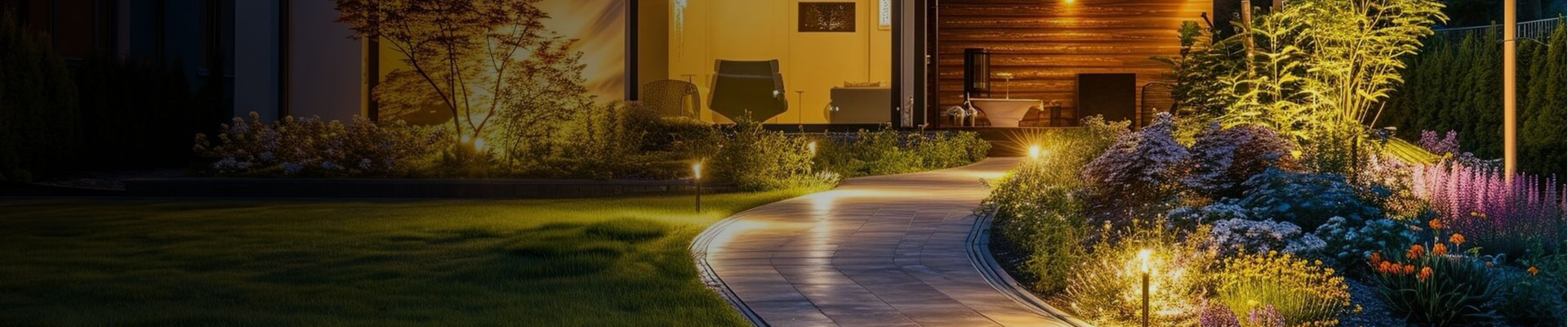
Plan the Lighting Layout Before Installation
Choose the Right Types of Yard Lights
Use LED Lighting for Better Efficiency
Improve Light Placement and Direction
Add Smart Lighting Controls
Select the Right Color Temperature
Reduce Light Pollution and Glare
Highlight Landscaping Features
Maintain Outdoor Lighting Regularly
Improve Security with Proper Lighting
Create a Comfortable Outdoor Living Space
FAQs
A well-lit yard improves the appearance, safety, and usability of outdoor spaces. Good yard lighting is not simply about adding more lights; it is about creating the right balance between brightness, placement, energy efficiency, and visual comfort. Whether the goal is to highlight landscaping, improve nighttime visibility, or create a more welcoming outdoor environment, a thoughtful lighting plan can make a significant difference.
Plan the Lighting Layout Before Installation
The first step to improving yard lighting is creating a clear lighting plan. Randomly placing lights often results in uneven brightness, dark areas, or excessive glare. A good layout considers the size of the yard, important features, walking paths, entrances, plants, trees, and outdoor living areas.
Start by identifying areas that need functional lighting. Pathways, stairs, driveways, and entrances should receive enough light to allow safe movement at night. Then consider decorative areas such as flower beds, water features, trees, fences, and architectural details that can benefit from accent lighting.
A layered lighting approach usually creates the best results. Instead of relying on one type of fixture, combine different lighting functions:
- Ambient lighting provides general illumination across outdoor areas.
- Task lighting improves visibility in specific locations such as outdoor kitchens or seating areas.
- Accent lighting highlights landscape features and creates visual interest.
Using multiple layers makes the yard look more natural and prevents the harsh appearance caused by overly bright single-source lighting.
Choose the Right Types of Yard Lights
Different areas of a yard require different lighting solutions. Choosing the correct fixture type improves both appearance and performance.
Pathway Lights
Pathway lights are designed to illuminate walkways, garden paths, and driveway edges. They should provide enough light for safe movement without creating strong glare. Fixtures with downward-facing designs are often effective because they direct light toward the ground rather than into people’s eyes.
Spotlights and Floodlights
Spotlights are useful for highlighting specific features such as large trees, sculptures, walls, or architectural elements. Floodlights provide wider coverage and are suitable for larger areas that require stronger illumination.
However, powerful lights should be used carefully. Excessive brightness can make a yard uncomfortable and may reduce the visibility of the surrounding environment.
Wall and Fence Lighting
Installing lights along walls, fences, or outdoor structures can add depth to a yard. These fixtures can create soft background illumination while improving the overall appearance of the outdoor space.
Step Lights
Steps and elevation changes can become dangerous at night. Small step lights improve safety while adding a modern design element to patios, decks, and stairways.
Use LED Lighting for Better Efficiency
LED lights are one of the most effective upgrades for improving yard lighting. Compared with traditional bulbs, LEDs use less energy, produce less heat, and generally have a much longer lifespan.
Outdoor LED lighting also provides more flexibility because it is available in many brightness levels, colors, and fixture styles. Homeowners can choose warm white LEDs to create a comfortable atmosphere or cooler tones for a more modern appearance.
Energy efficiency is especially important for outdoor lighting because yard lights often operate for several hours every night. Lower energy consumption reduces operating costs while maintaining consistent illumination.
Improve Light Placement and Direction
The position of a light fixture is often more important than its brightness. Poor placement can create unwanted shadows, glare, or an unnatural appearance.
Avoid pointing lights directly toward windows, seating areas, or neighboring properties. Instead, aim lights downward or toward the features you want to highlight.
For landscape lighting, placing fixtures at different heights creates a more natural effect. For example:
- Low lights can define pathways and garden edges.
- Medium-height lights can illuminate shrubs and outdoor structures.
- Higher lights can create moonlight effects through trees.
The goal is to make the yard appear naturally illuminated rather than obviously filled with artificial lights.
Add Smart Lighting Controls
Smart controls can greatly improve the convenience and efficiency of yard lighting. Timers, motion sensors, and automated systems allow homeowners to control when lights turn on and off.
Timers ensure that lights operate only when needed. Motion sensors are useful for driveways, entrances, and security areas because they activate lighting when movement is detected.
Smart lighting systems can also allow brightness adjustments and remote control through mobile devices. This makes it easier to adapt lighting based on different needs, such as outdoor gatherings, daily use, or security purposes.
Select the Right Color Temperature
The color temperature of outdoor lighting affects the atmosphere of the yard. Warm lighting, usually between 2700K and 3000K, creates a comfortable and relaxing environment that works well for gardens, patios, and seating areas.
Cooler lighting can provide a cleaner and more modern appearance, but excessive cool light may feel harsh in residential outdoor spaces.
For most yards, warm white lighting creates a balanced look that enhances plants, wood surfaces, and outdoor architecture.
Reduce Light Pollution and Glare
Effective yard lighting should illuminate useful areas without creating unnecessary brightness. Too much outdoor light can waste energy and reduce nighttime visibility.
To reduce light pollution:
- Use fixtures with shields that control the direction of light.
- Avoid installing unnecessarily bright bulbs.
- Turn off decorative lighting when it is not needed.
- Focus light only on important areas.
A well-designed lighting system should enhance the yard while allowing the natural darkness of the night environment to remain.
Highlight Landscaping Features
Lighting can transform ordinary landscaping into a more attractive nighttime scene. Trees, flowers, rocks, and water features can become focal points with proper illumination.
Uplighting trees from the ground can emphasize height and structure. Small lights placed among plants can create depth and make gardens more visually interesting. Water features can also benefit from carefully positioned lighting that reflects on the surface.
The key is to highlight selected features rather than illuminate every part of the yard equally. Strategic contrast creates a more professional appearance.
Maintain Outdoor Lighting Regularly
Even a well-designed lighting system requires maintenance. Dirt, weather exposure, plant growth, and damaged fixtures can reduce lighting performance over time.
Regular maintenance should include:
- Cleaning light covers and lenses.
- Checking cables and connections.
- Removing plants that block light.
- Replacing damaged bulbs or fixtures.
- Adjusting lights that have shifted position.
Proper maintenance keeps the yard looking attractive and ensures the lighting system continues working efficiently.
See also: How to Clean Garden Lights?
Improve Security with Proper Lighting
Yard lighting can also improve outdoor security by reducing dark areas around the property. Entrances, driveways, side paths, and areas near garages should receive appropriate illumination.
Motion-activated lights are particularly useful for security because they provide light when activity occurs while avoiding unnecessary energy use.
However, security lighting should still be balanced. Extremely bright lights can create strong shadows and make some areas harder to see. Even, controlled illumination is usually more effective.
Create a Comfortable Outdoor Living Space
Modern yards are often used as extensions of indoor living areas. Lighting plays an important role in making patios, decks, and outdoor seating areas comfortable after sunset.
Soft ambient lighting can create a relaxing environment for dining, conversation, and entertainment. String lights, lantern-style fixtures, and low-level landscape lighting can add warmth without overwhelming the space.
The best outdoor lighting design combines practicality with atmosphere, allowing the yard to remain functional and inviting throughout the evening.
FAQs
How many lumens are needed for effective yard lighting?
The ideal lumen output depends on the purpose of the lighting. Pathways usually need lower brightness, while driveways, entrances, and security areas require stronger illumination.
Choosing the right brightness prevents dark spots while avoiding excessive glare.
What is the best height for installing outdoor yard lights?
The best installation height depends on the fixture type and lighting goal.
Path lights are typically placed close to the ground, while wall lights and spotlights should be positioned higher to create wider coverage and more balanced illumination.
How can yard lighting withstand rain and outdoor weather conditions?
Outdoor lights should have suitable weather-resistant ratings, durable materials, and proper installation methods.
Choosing fixtures designed for outdoor use helps protect against moisture, dust, temperature changes, and long-term exposure.
Should yard lights be connected to solar power or electricity?
Solar lights are convenient for areas without wiring access and can reduce energy consumption, while wired systems usually provide more consistent brightness and reliability.
The best choice depends on location, sunlight availability, and lighting requirements.
How can outdoor lighting improve the appearance of a home at night?
Well-designed yard lighting can emphasize architectural details, enhance landscaping, create depth, and improve curb appeal.
Using different lighting angles and levels helps create a more attractive and natural nighttime environment.
