
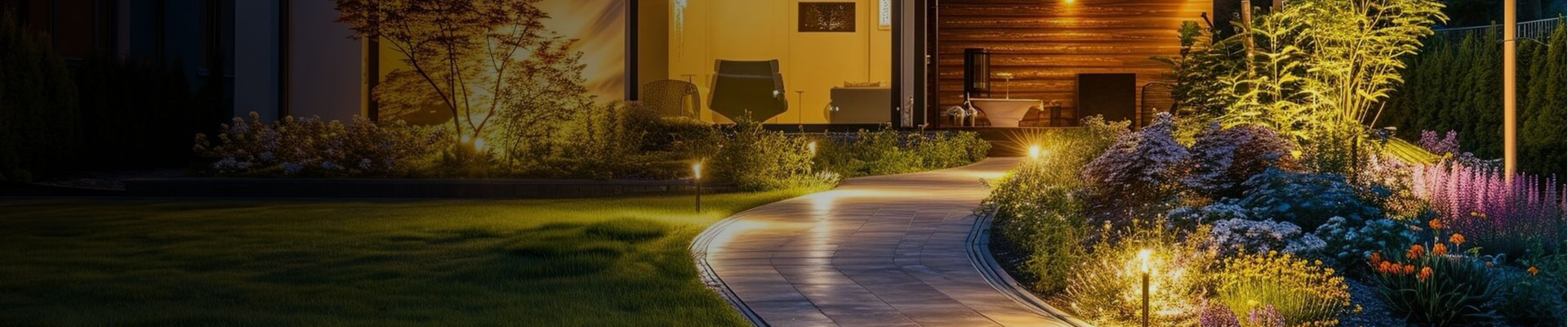
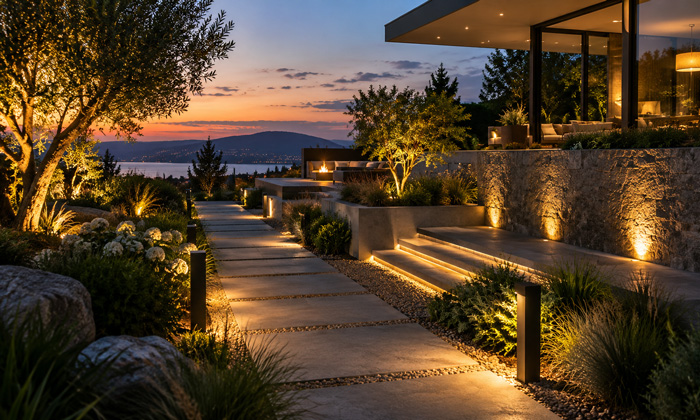
Outdoor landscapes are no longer designed only for daytime beauty. With the right architectural lighting, modern gardens can become visually engaging spaces after sunset, where pathways, walls, plants, and structural elements work together to create depth, atmosphere, and functionality. Architectural lighting for garden paths and walls is not simply about adding brightness; it is about shaping the way people experience an outdoor environment.
By carefully placing lights along walkways and architectural surfaces, homeowners and designers can highlight textures, improve safety, and transform ordinary outdoor areas into sophisticated landscapes. Modern lighting solutions combine aesthetics with practicality, allowing gardens to maintain their character while becoming more inviting at night.
Enhancing the Visual Structure of Modern Garden Spaces
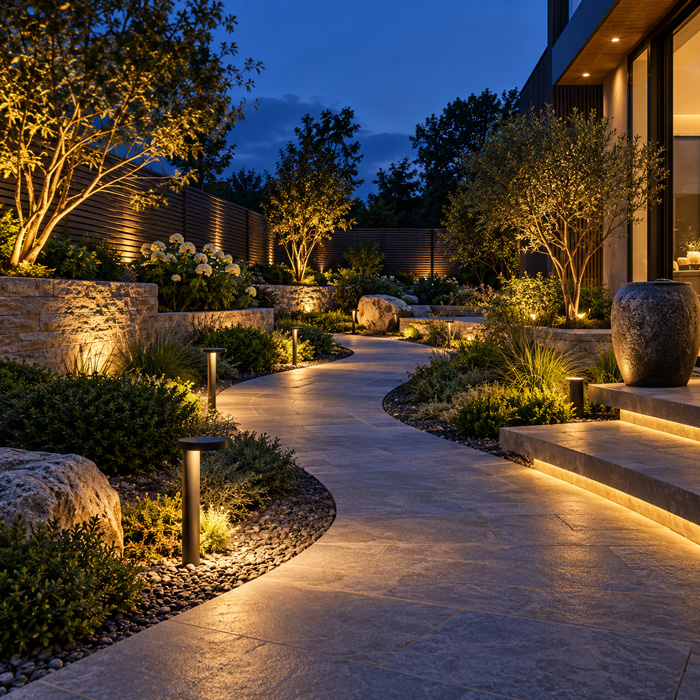
Architectural lighting helps define the structure of an outdoor landscape by emphasizing important design elements. Garden paths, retaining walls, stone surfaces, fences, and decorative features can appear completely different when illuminated with carefully planned lighting techniques.
Path lighting creates a natural visual guide, leading people through different areas of the garden while maintaining a comfortable nighttime atmosphere. Modern landscape designs focus on balanced light distribution that highlights movement and space.
Wall lighting adds another layer of architectural expression. Grazing lights reveal textures of brick, stone, concrete, and wood while creating depth and visual interest.
Creating a Safer and More Comfortable Outdoor Environment
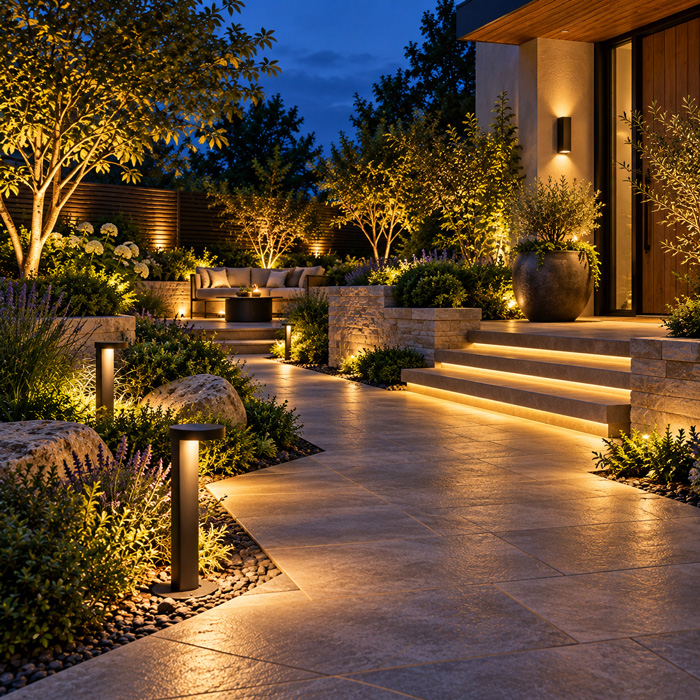
Architectural lighting improves nighttime safety by illuminating dark walkways, steps, and uneven surfaces in residential gardens and outdoor entertainment areas.
Modern lighting systems provide soft and consistent illumination that improves visibility without creating harsh glare.
Wall-mounted fixtures and integrated lighting can improve outdoor usability by illuminating entrances, garden boundaries, and seating areas after dark.
Highlighting Materials, Textures, and Landscape Features
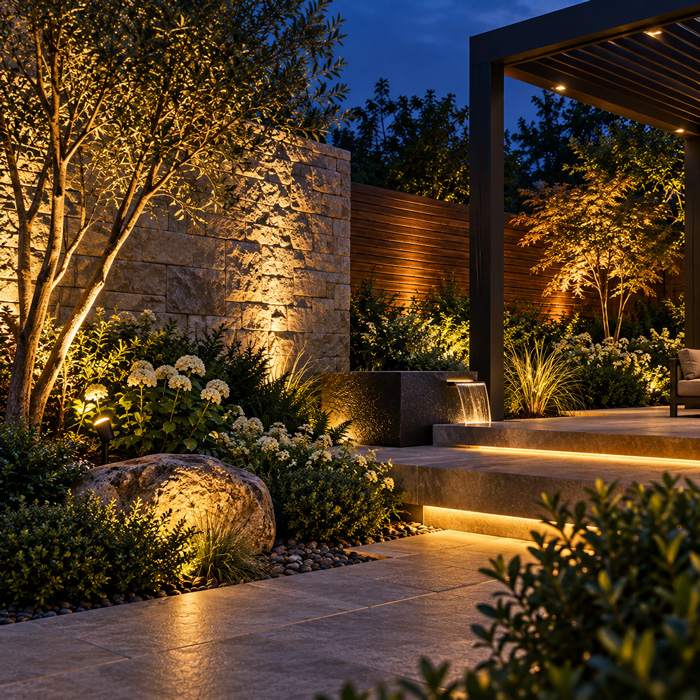
Architectural lighting reveals details that may be unnoticed during the day. Different materials respond uniquely to light, allowing designers to create custom visual effects.
Stone walls gain stronger natural character through angled lighting that emphasizes texture. Wooden surfaces appear warmer, while metal structures can become modern focal points through directional lighting.
Trees, shrubs, and decorative plants can also create layered compositions when combined with architectural illumination.
Designing a Modern Atmosphere Through Light and Shadow
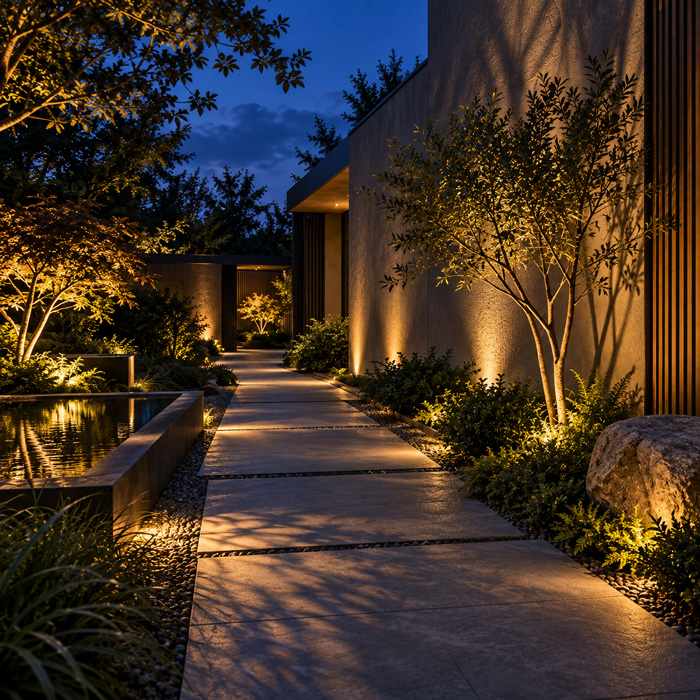
Modern outdoor lighting design focuses on creating atmosphere rather than simply increasing brightness. The relationship between light and shadow shapes the mood of a garden.
A well-designed lighting system uses different intensities, angles, and fixture positions to create visual balance.
Controlled shadows and subtle illumination can transform simple garden paths and exterior walls into elegant landscape features.
Improving the Connection Between Architecture and Nature
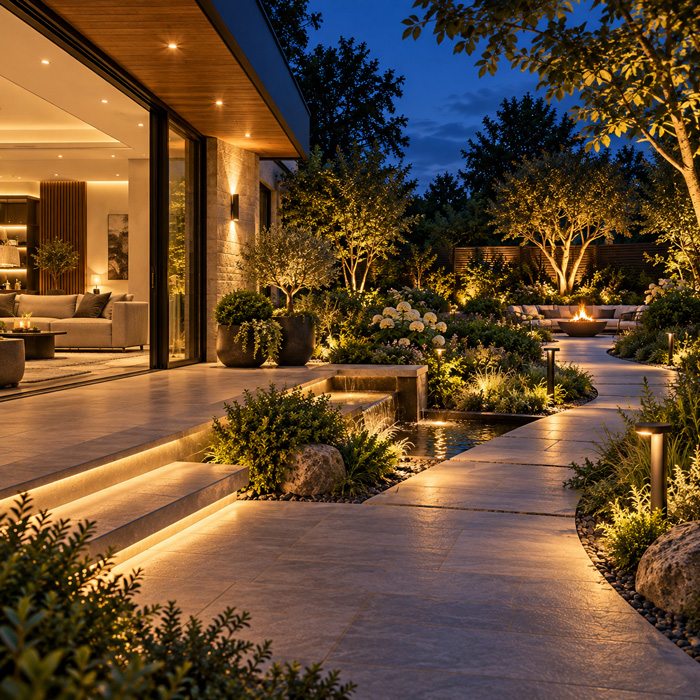
Architectural lighting creates a stronger relationship between built structures and natural landscapes. Garden walls, pathways, and outdoor architecture become connected elements.
Carefully planned lighting emphasizes the transition between indoor and outdoor spaces. Illuminated walls extend the visual presence of a home, while softly lit pathways connect different garden zones.
This approach is especially important in modern landscape design where outdoor areas become extensions of living spaces.
Supporting Modern Outdoor Lifestyle and Entertainment
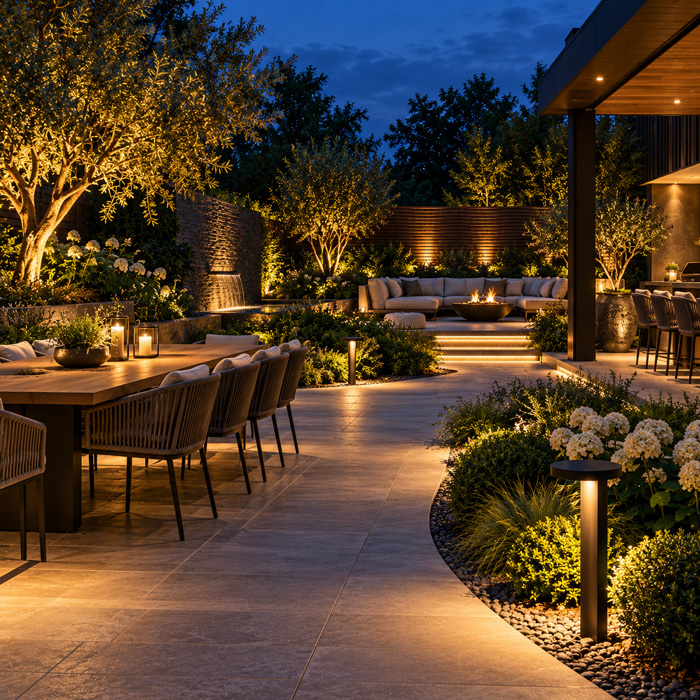
Today's outdoor landscapes are designed for dining, relaxation, social gatherings, and private retreats. Architectural lighting extends their usability beyond daylight hours.
A well-lit garden path improves movement between areas, while illuminated walls create stylish backgrounds for outdoor activities.
Smart lighting controls provide additional flexibility by allowing users to adjust brightness, timing, and lighting scenes for different occasions.
Architectural lighting for modern garden paths and walls can completely transform an outdoor landscape by enhancing beauty, improving safety, and creating a more engaging nighttime environment. Through thoughtful placement of light and shadow, ordinary garden elements can become striking architectural features.
Whether highlighting textured walls, guiding movement along pathways, or creating a relaxing outdoor atmosphere, modern landscape lighting provides a powerful way to connect architecture with nature.
FAQs
What factors should be considered when planning architectural lighting for garden walls?
Important factors include wall materials, surface texture, landscape features, light direction, fixture positioning, and the intended visual effect.
Careful planning helps highlight architectural details while avoiding excessive brightness, glare, or uneven illumination.
How can smart lighting systems improve modern outdoor landscape lighting?
Smart lighting systems allow homeowners to adjust brightness, create schedules, customize lighting scenes, and control outdoor fixtures remotely.
These features provide greater flexibility for different activities, seasons, and energy-saving requirements.
What color temperature is suitable for contemporary garden path and wall lighting?
Warm white lighting is commonly selected for modern landscapes because it creates a comfortable atmosphere and complements materials such as stone, wood, and concrete.
The best color temperature depends on the architectural style, surrounding environment, and desired nighttime appearance.
How does architectural lighting affect the appearance of outdoor spaces?
Well-designed architectural lighting can enhance outdoor spaces by emphasizing structural details, improving nighttime usability, and creating a more refined landscape appearance.
Proper lighting design can add depth, contrast, and visual interest to gardens, pathways, and exterior walls.
What installation methods help garden path and wall lighting last longer?
Long-lasting outdoor lighting requires weather-resistant fixtures, correct electrical planning, secure mounting methods, and protection against moisture and environmental exposure.
Professional installation and regular maintenance can help improve reliability and extend the service life of the lighting system.
