

How Solar Garden Lights Generate Energy During the Day
Do Solar Panels on Garden Lights Emit Harmful Radiation?
EMF During Nighttime Lighting Operation
Factors That Influence Solar Light Performance
Do Seasonal Changes Affect Solar Garden Lights?
Conclusion
FAQs
Solar garden lights and landscape lights have become a popular choice for outdoor spaces because they combine energy efficiency, simple installation, and decorative appeal. As more homeowners choose solar-powered lighting for pathways, gardens, patios, and yards, questions about electromagnetic field (EMF) radiation from solar panels have also increased. Many people wonder whether solar panels on garden lights produce radiation during daily operation and whether this affects the safety of outdoor environments.
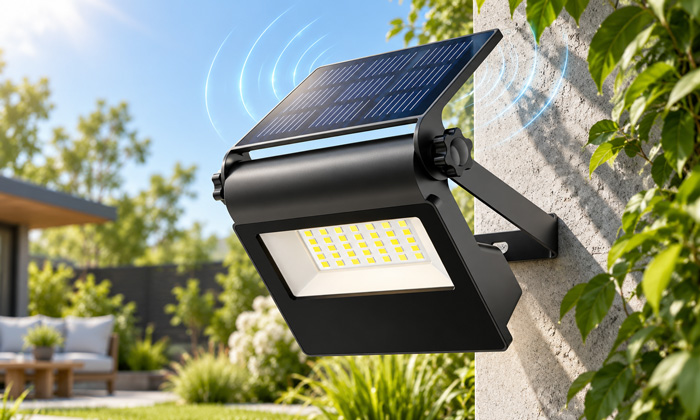
For solar garden lights, the answer is straightforward: solar panels do produce extremely low levels of electromagnetic fields during operation, but these emissions are non-ionizing and generally considered minimal. The main function of the solar panel is to capture sunlight and convert it into electrical energy stored in the internal battery, which later powers the LED light at night. The energy conversion process does not involve dangerous radiation emissions.
How Solar Garden Lights Generate Energy During the Day
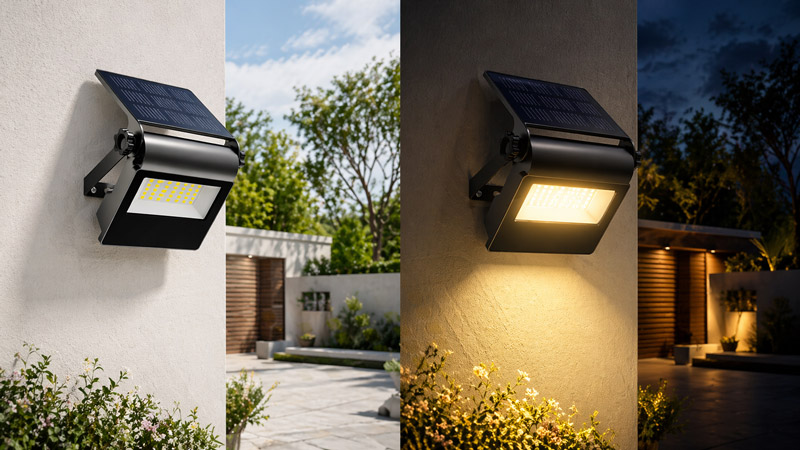
A solar garden light typically includes a small photovoltaic panel, rechargeable battery, controller, and LED light source. During daylight hours, the solar panel absorbs sunlight and converts it into electricity. The stored power is then released after dark to illuminate outdoor areas.
During this charging process, electrical currents move through the internal components of the light. Like any device that uses electricity, these components can create small electromagnetic fields. However, the EMF levels generated by solar garden lights are very low because the system operates with limited voltage and power compared with larger electrical equipment.
The solar panel itself does not actively broadcast electromagnetic waves. It mainly performs energy conversion, turning sunlight into usable electrical power. The small amount of EMF associated with the circuit components is comparable to the background electromagnetic fields produced by many everyday electronic devices.
Do Solar Panels on Garden Lights Emit Harmful Radiation?
The word “radiation” often creates concern because it can refer to many different types of energy. Solar garden lights are not associated with ionizing radiation such as X-rays or gamma rays. Their operation involves normal electrical activity and visible light output from LEDs, both of which belong to the non-ionizing part of the electromagnetic spectrum.
For landscape lighting applications, the main consideration is not radiation from the solar panel but the quality, placement, and environmental impact of the lighting itself. A well-designed solar garden light provides illumination while maintaining a balanced outdoor atmosphere.
For gardens with plants, choosing suitable garden lighting for plant areas requires attention to factors such as lighting intensity, exposure duration, and fixture placement. These elements can influence how solar garden lights interact with surrounding plants and help create a balanced outdoor environment.
EMF During Nighttime Lighting Operation
At night, solar garden lights stop charging and use stored battery energy to power LED fixtures. The solar panel is no longer actively converting sunlight, meaning the charging process has ended. The LED driver and battery circuit continue to operate, but the electromagnetic fields generated remain very limited.
Compared with mains-powered and solar-powered garden lights, traditional wired garden lighting systems connected to household electricity require power cables and electrical connections throughout outdoor areas. Solar-powered lights avoid long cables running through gardens, pathways, and remote landscape spaces, making installation more flexible while reducing the need for underground wiring.
Factors That Influence Solar Light Performance
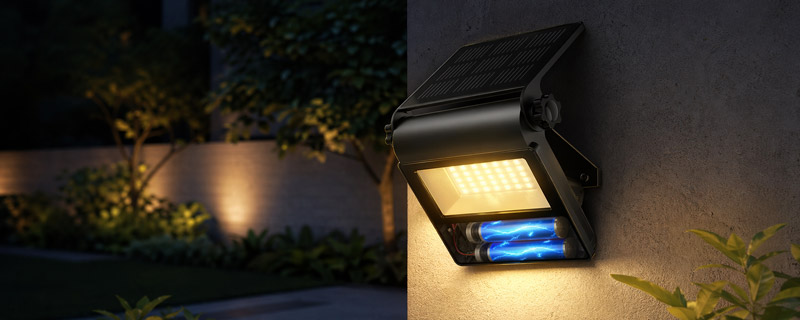
Although EMF emissions from solar garden lights are minimal, the actual performance of a solar lighting system depends on several practical factors, including sunlight exposure, battery capacity, and solar panel maintenance.
A clean solar panel can absorb sunlight more efficiently, helping the light collect enough energy for nighttime operation. Dust, dirt, and debris may reduce charging efficiency over time, making regular maintenance useful. Keeping the photovoltaic surface clean is a simple way to support consistent performance, especially for outdoor fixtures exposed to changing weather conditions, as proper solar panel cleaning methods for solar lights can help maintain energy collection efficiency.
The amount of sunlight available also affects charging results. Solar garden lights do not always require intense direct sunlight all day, but better exposure generally improves energy collection. Factors such as sunlight intensity, placement, and charging time can influence how long the lights operate after sunset, with details related to solar light charging time and sunlight requirements for solar lights playing a role in overall performance.
Do Seasonal Changes Affect Solar Garden Lights?
Seasonal conditions can influence how much energy a solar garden light collects, but they do not change the basic EMF characteristics of the product. In winter, shorter daylight hours, cloudy weather, or snow covering the panel may reduce charging efficiency and shorten illumination time.
Proper placement and maintenance help solar landscape lights continue working effectively throughout the year. Outdoor lighting designed for colder climates can still provide reliable garden illumination when installed correctly, with factors such as reduced daylight hours, weather conditions, and battery performance affecting solar lights in winter conditions.
Conclusion
Solar garden lights do generate very small electromagnetic fields during daily operation because electricity flows through their internal components. However, these fields are low-level, non-ionizing, and not considered a harmful form of radiation. For outdoor lighting applications, solar panels mainly serve as energy collectors rather than radiation sources.
With proper installation, regular maintenance, and thoughtful lighting design, solar landscape lights can provide efficient and attractive outdoor illumination while maintaining a comfortable garden environment.
FAQs
Do solar garden lights produce EMF when the solar panel is not receiving sunlight?
Yes, solar garden lights may still have very low-level electromagnetic fields from internal electrical components when operating at night.
However, the solar panel itself is not actively converting sunlight without exposure, and the overall EMF generated by a small solar lighting system remains minimal.
Which component of a solar garden light creates electromagnetic fields?
The solar panel, rechargeable battery, controller, and LED driver can all be associated with small electromagnetic fields during electrical operation.
In most garden lights, these components work with low voltage and limited power, resulting in very low EMF levels during normal use.
Do solar garden lights emit radio frequency signals like wireless devices?
No. Standard solar garden lights do not transmit radio frequency signals because they are designed to collect, store, and use solar energy rather than communicate wirelessly.
Their electrical activity is different from devices that rely on Wi-Fi, Bluetooth, or mobile networks.
Can placing multiple solar garden lights together increase EMF levels in a garden?
Multiple solar garden lights may create additional small electromagnetic fields because each unit contains electrical components.
However, these systems operate independently at low power, and the combined EMF from typical landscape lighting installations remains very limited.
How does solar lighting technology reduce electrical exposure compared with conventional outdoor lighting?
Solar garden lights generate and store their own energy locally, eliminating the need for continuous connection to household electrical wiring.
This design allows outdoor lighting to operate independently while reducing the amount of fixed electrical infrastructure required in gardens and landscape areas.
