
How Plants Respond to Light at Night
Factors That Determine Whether Solar Lights Affect Plants
Brightness and Distance Matter Most
Do Solar Garden Lights Affect Photosynthesis?
The Role of Light Color
Which Plants Are More Sensitive?
Potential Problems Caused by Excessive Night Lighting
How to Use Solar Garden Lights Safely Around Plants
FAQs
Solar garden lights are widely used to improve outdoor spaces, create attractive landscapes, and provide gentle illumination at night. However, many gardeners wonder whether artificial light from these devices can interfere with plant growth. Since plants depend on natural light cycles to regulate photosynthesis, flowering, and dormancy, the concern is whether nighttime lighting may disturb these processes.
The effect of solar garden lights on plants depends mainly on the brightness, color temperature, distance from plants, and the number of hours the lights remain on. In most cases, properly positioned solar garden lights have little to no negative impact on plant health. However, strong or poorly placed lighting can influence certain sensitive plants.
How Plants Respond to Light at Night
Plants do not only use light for photosynthesis; they also use darkness as an important biological signal. Many plants rely on the length of night periods to control growth patterns, flowering cycles, and seasonal responses. This process is known as photoperiodism.
A small amount of low-intensity light from typical garden solar lamps usually does not provide enough energy to significantly affect photosynthesis. However, continuous exposure to bright artificial light may confuse plants that depend on dark periods to complete their natural cycles.
For example, some flowering plants require specific day and night lengths to produce flowers. If exposed to excessive nighttime lighting, they may experience delayed flowering or altered growth patterns.
Factors That Determine Whether Solar Lights Affect Plants
Not all solar garden lights create the same level of impact. Several factors influence their effect on nearby vegetation.
| Factor | Possible Effect on Plants |
|---|---|
| Light brightness | Strong lights are more likely to disturb natural plant cycles |
| Distance from plants | Lights placed close to leaves may have a greater impact |
| Light color | Blue and white light can influence plant responses more than warm light |
| Lighting duration | Longer exposure increases the chance of disruption |
| Plant sensitivity | Some species are more affected by nighttime lighting than others |
Brightness and Distance Matter Most
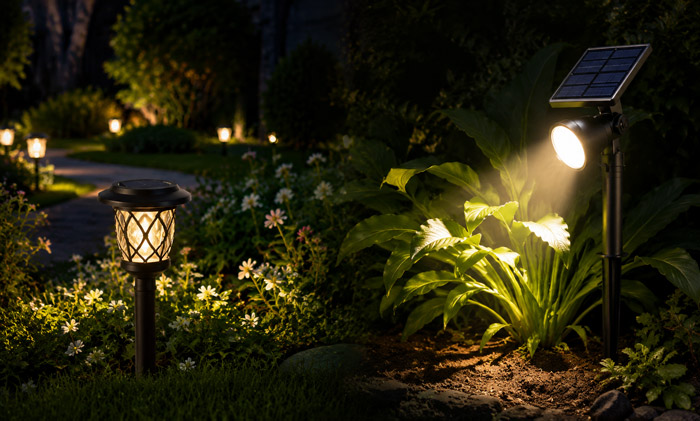
The intensity of light is one of the most important factors affecting plants. Decorative solar garden lights usually produce much weaker illumination than outdoor security lights or commercial landscape lighting. Their gentle glow generally does not interfere with most garden plants.
However, placing a bright solar spotlight directly beside a plant can create an unnatural environment. Leaves that receive artificial light throughout the night may not experience the proper darkness required for normal biological processes.
Keeping solar lights several feet away from sensitive plants is often enough to prevent potential problems.
Do Solar Garden Lights Affect Photosynthesis?
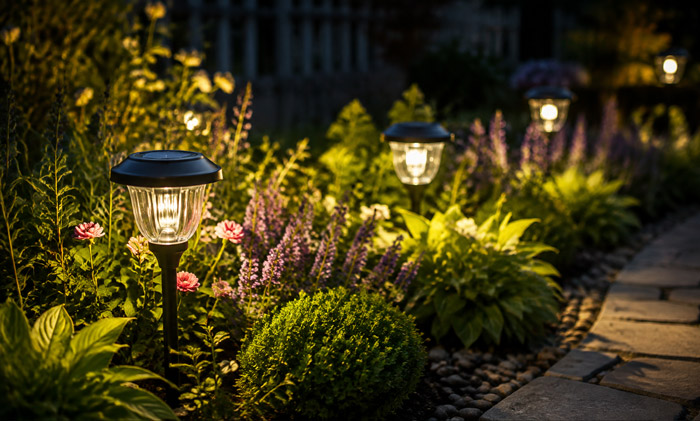
Photosynthesis mainly occurs during daylight when plants receive strong sunlight. Most solar garden lights are not powerful enough to replace sunlight or significantly increase photosynthesis at night.
Because of their low intensity, ordinary garden lights usually have minimal influence on energy production in plants. The greater concern is not photosynthesis itself but the plant’s internal clock, which controls growth and development.
The Role of Light Color
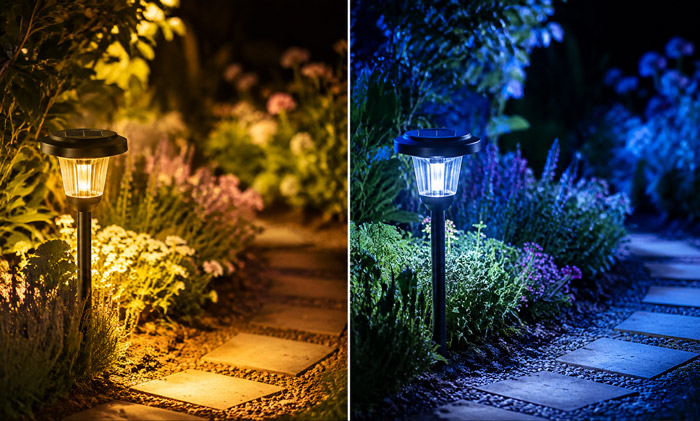
The color of artificial light can influence plants differently. Light wavelengths affect plant hormones and growth responses.
Warm-colored lights, such as yellow or soft white LEDs, are generally less disruptive for gardens. Cooler white or blue-rich lights may have a stronger biological effect because plants are highly sensitive to these wavelengths.
For areas with many ornamental plants or vegetables, choosing warm LED solar lights is usually a better option.
| Light Type | Effect on Plants |
|---|---|
| Warm white light | Generally considered less disruptive |
| Yellow light | Usually has limited impact |
| Cool white light | May influence plant responses more strongly |
| Blue-rich light | More likely to affect plant growth signals |
Which Plants Are More Sensitive?
Most common garden plants can tolerate small amounts of nighttime lighting. However, some plants respond more strongly to changes in day length.
Plants that may be more sensitive include:
- Short-day flowering plants that require long nights to bloom
- Plants that naturally enter dormancy during certain seasons
- Some vegetable crops affected by photoperiod changes
- Shade-loving plants exposed to unusually bright lighting
Plants grown mainly for leaves, such as many shrubs and ground covers, are usually less affected than plants grown for seasonal flowering.
Potential Problems Caused by Excessive Night Lighting
Although solar garden lights are usually harmless, excessive lighting may create several possible issues:
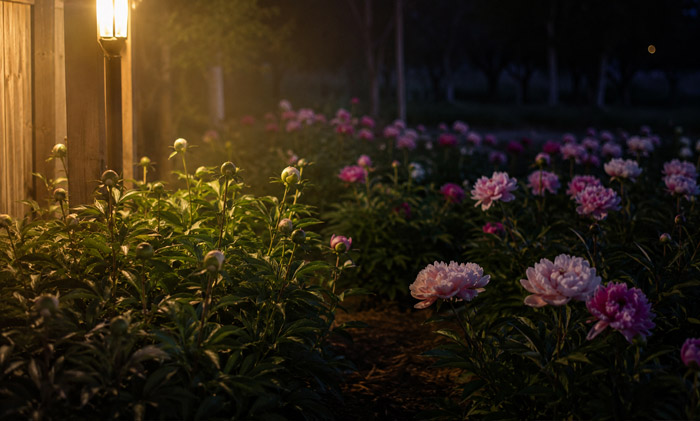
Delayed Flowering
Some flowering plants measure the length of darkness to determine when to bloom. Artificial light during nighttime may interrupt this signal and delay flowering.
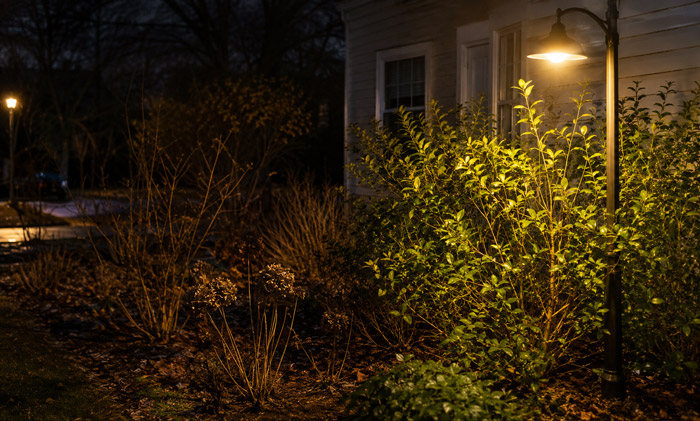
Reduced Dormancy Signals
Many plants use seasonal darkness to prepare for colder periods. Extended exposure to artificial light may slightly affect these natural cycles.
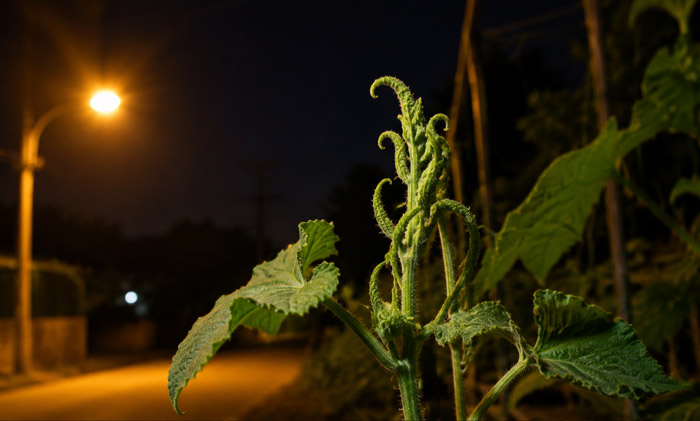
Altered Growth Patterns
Long-term exposure to nighttime lighting may influence plant hormones, potentially causing unusual growth in sensitive species.
How to Use Solar Garden Lights Safely Around Plants
Gardeners can enjoy outdoor lighting while protecting plant health by following a few simple practices:
- Avoid placing lights directly next to plant stems or leaves.
- Use low-intensity decorative lights instead of powerful spotlights.
- Choose warm-colored LED lights when possible.
- Turn off unnecessary lights during late-night hours.
- Avoid lighting plants that require strict day-night cycles.
Solar garden lights generally do not negatively affect plant growth when they are used appropriately. Most decorative solar lights are too weak to interfere with photosynthesis, and many plants adapt easily to small amounts of nighttime illumination.
The main risk comes from excessive brightness, prolonged exposure, and placing strong lights too close to sensitive plants. By selecting low-intensity warm lights and positioning them carefully, gardeners can enjoy beautiful nighttime landscapes without harming plant health.
FAQs
Can solar garden lights attract pests that harm plants?
Solar garden lights generally do not attract plant-damaging pests directly.
However, certain light wavelengths may attract some insects at night, which could indirectly influence the garden ecosystem. Using warm-colored LED lights can help reduce insect attraction compared with bright white or blue-toned lighting.
See also: What Impact Do Garden Lights Have on Plants and Animals?
Do solar garden lights affect vegetable plants differently from flowers?
Yes. Some vegetable plants may respond differently because certain crops are sensitive to changes in day length.
While most low-level garden lighting has little effect, prolonged nighttime illumination may influence flowering, fruit production, or seasonal growth patterns in photoperiod-sensitive vegetables.
Can solar garden lights damage seedlings or newly planted plants?
Low-intensity solar lights usually do not damage seedlings.
However, young plants can be more sensitive to environmental changes, so placing bright lights close to seedlings for many hours each night may create unnecessary stress.
Are solar garden lights safe for plants grown in greenhouses or containers?
Solar garden lights should be used carefully in enclosed growing areas.
Since greenhouses and containers may have more controlled conditions, even small changes in nighttime lighting can affect certain plants. Keeping lights outside the growing area is usually the safer option.
How can gardeners reduce the impact of artificial light on plants?
Gardeners can minimize potential effects by selecting low-brightness warm LED solar lights, directing light away from foliage, using timers when available, and avoiding continuous illumination throughout the night.
