

Understanding the Meaning of Light Bulb Wattage
Wattage Does Not Equal Brightness
The Difference Between Wattage and Lumens
Why LED Bulbs Have Lower Wattage
What Does Higher Wattage Mean for Electricity Usage?
What Does the Wattage Rating on a Fixture Mean?
How to Choose the Correct Wattage for a Light Bulb
Common Wattage Ratings and Their Brightness Levels
Why Understanding Wattage Matters
FAQs
The wattage of a light bulb is one of the most common specifications found on lighting packages, but many people misunderstand what it actually represents. For decades, consumers have used wattage as a simple way to compare bulbs, often assuming that a higher wattage means a brighter light. While this was often true for traditional incandescent bulbs, modern lighting technology has changed the relationship between wattage and brightness.
Wattage indicates the amount of electrical power a light bulb consumes when operating. It does not directly measure the amount of light produced. Brightness is measured in lumens, while wattage shows energy usage. Understanding this difference helps in selecting suitable bulbs, improving energy efficiency, and choosing the right lighting solution for different spaces.
Understanding the Meaning of Light Bulb Wattage
A watt (W) is a unit of electrical power. When a light bulb is labeled as 60W, it means the bulb uses 60 watts of electricity every hour while operating. A 100W bulb consumes more electrical power than a 60W bulb, while a 10W bulb consumes less.
The main purpose of wattage is to show energy consumption. It helps determine how much electricity a lighting product requires and allows users to compare the efficiency of different bulb types.
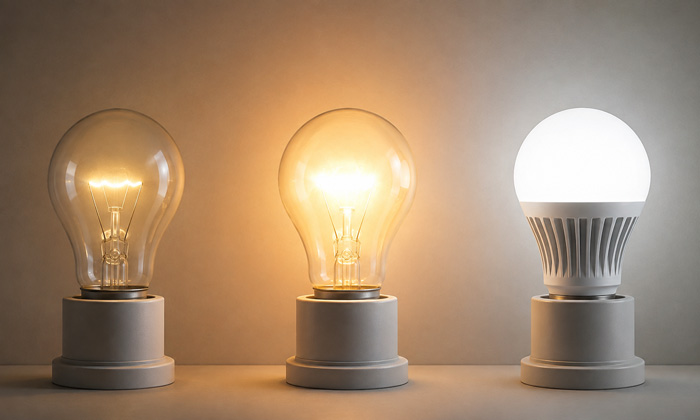
Traditional incandescent bulbs created a strong connection between wattage and brightness because more electricity was needed to produce more light. A 100W incandescent bulb was brighter than a 60W incandescent bulb because it used more power to generate illumination. However, LED technology has changed this approach by producing the same amount of light with much lower energy consumption.
Wattage Does Not Equal Brightness
One of the biggest misconceptions about light bulbs is that wattage represents brightness. In modern lighting, this is not accurate.
Brightness depends on lumens, which measure the total amount of visible light emitted by a bulb. Wattage only measures the electricity required to create that light.
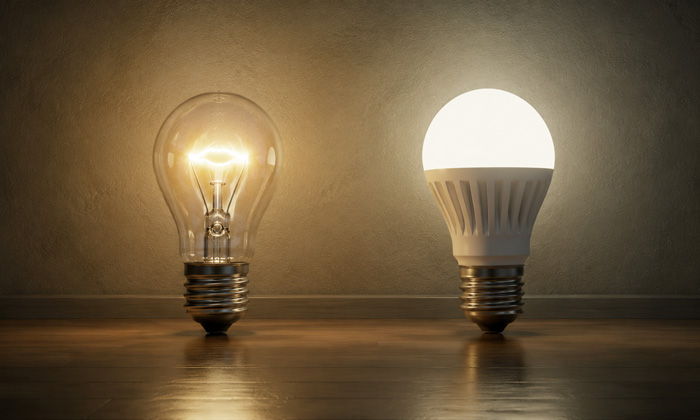
For example, a traditional 60W incandescent bulb and an LED bulb using around 8–10 watts can provide a similar level of brightness. The LED bulb consumes less energy because it converts electricity into light more efficiently.
The relationship between traditional bulb power ratings and LED replacements can be better understood through how do you convert LED watts to incandescent watts, which explains the differences between LED energy use and traditional incandescent watt equivalents.
The Difference Between Wattage and Lumens
Wattage and lumens describe two different aspects of lighting performance.
| Measurement | Meaning | Purpose |
|---|---|---|
| Watt (W) | Electrical power consumed by a bulb | Shows energy usage |
| Lumen (lm) | Amount of visible light produced | Shows brightness |
| Watt equivalent | Comparison with traditional bulb brightness | Helps select replacements |
| Energy efficiency | Amount of light produced per watt | Shows lighting performance |
A bulb with a lower wattage can produce more light than a bulb with a higher wattage when it uses more efficient technology. This is why LED bulbs often have lower watt ratings while maintaining similar brightness levels.
Why LED Bulbs Have Lower Wattage
LED bulbs use advanced light-producing components that require less electrical power compared with older lighting technologies. Instead of using most of their energy to create heat, LEDs convert a larger percentage of electricity into useful light.
This efficiency allows LED bulbs to replace traditional bulbs with significantly lower wattage.
For example:
| Traditional Bulb | Approximate Brightness | LED Replacement Wattage |
|---|---|---|
| 40W incandescent bulb | About 450 lumens | 4–6W LED |
| 60W incandescent bulb | About 800 lumens | 8–10W LED |
| 75W incandescent bulb | About 1,100 lumens | 11–13W LED |
| 100W incandescent bulb | About 1,600 lumens | 14–20W LED |
A lower-wattage LED bulb does not mean weaker lighting. The reduced wattage reflects improved energy conversion rather than reduced light output.
What Does Higher Wattage Mean for Electricity Usage?
A light bulb with higher wattage consumes more electrical power during operation. The wattage rating shows how much energy a bulb requires to produce light, meaning a 100W bulb uses more electricity than a 10W bulb when both run for the same amount of time.
The actual electricity consumption depends on two factors: the bulb’s wattage and the number of hours it operates. The longer a high-wattage bulb stays on, the more energy it uses. This difference becomes more noticeable in spaces where lighting is used for many hours each day.
Use the calculator below to estimate the energy consumption of a light bulb based on its wattage and operating time.
Light Bulb Energy Consumption Calculator
The calculation formula is:
Energy Used (kWh) = Wattage ÷ 1000 × Operating Hours
For example, a 100W bulb running for 5 hours consumes 0.5 kWh, while a 10W bulb running for the same time consumes only 0.05 kWh. Lower-wattage LED bulbs can provide similar brightness with significantly less electricity consumption.
LED bulbs are designed to provide efficient lighting with lower power consumption, making them a practical choice for applications where lights operate for extended periods. The difference in wattage helps compare energy usage and understand how bulb selection affects overall electricity consumption.
What Does the Wattage Rating on a Fixture Mean?
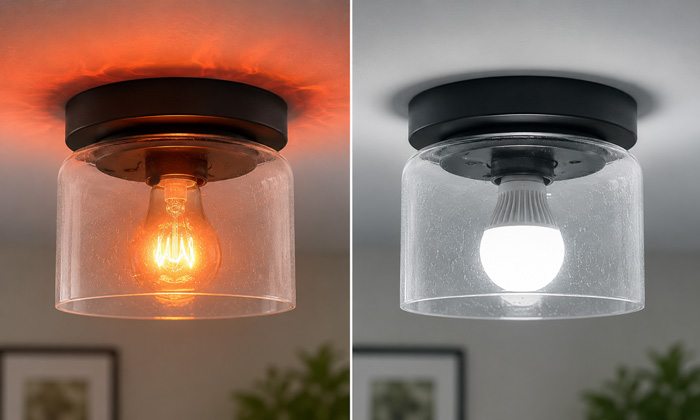
The wattage rating on a lamp fixture is a safety specification. It indicates the maximum amount of electrical power the fixture can safely support.
For example, a fixture marked with a maximum rating of 60W is designed for bulbs that consume no more than 60 watts. Installing a bulb that exceeds this limit may create excessive heat and affect the fixture’s performance.
LED bulbs often make fixture compatibility easier because they provide similar brightness while using fewer watts. A bulb that produces the light output of a traditional 100W bulb may only consume a fraction of that power when using LED technology.
How to Choose the Correct Wattage for a Light Bulb
Selecting a bulb based only on wattage may result in choosing the wrong product. The best approach is to consider brightness requirements, energy consumption, and fixture limitations together.
The selection process includes:
- Checking the fixture’s maximum wattage rating.
- Determining the desired brightness level in lumens.
- Choosing an appropriate bulb technology.
- Comparing LED wattage with traditional bulb equivalents.
A 100W equivalent LED bulb does not use 100 watts of electricity. It simply produces a similar amount of light as an older 100W incandescent bulb.
More details about selecting suitable replacements can be found through what LED bulb is equivalent to 100 watt, which explains how LED wattage compares with traditional bulb ratings.
Common Wattage Ratings and Their Brightness Levels
Traditional incandescent bulbs are often recognized by their wattage numbers, including 40W, 60W, 75W, and 100W. These ratings became familiar because they provided a simple way to estimate brightness.
Modern lighting uses lumens as the main measurement of light output, but traditional wattage references are still commonly used when replacing older bulbs.
| Traditional Watt Rating | Approximate Light Output | Common Lighting Use |
|---|---|---|
| 40W | Around 450 lumens | Small lamps and decorative lighting |
| 60W | Around 800 lumens | General household lighting |
| 75W | Around 1,100 lumens | Larger rooms and brighter spaces |
| 100W | Around 1,600 lumens | High brightness applications |
The connection between wattage and brightness is especially useful when replacing older bulbs. Information about the brightness level of a traditional 75W bulb can be found in 75 watt bulb is how many lumens.
Why Understanding Wattage Matters
Knowing what wattage represents helps avoid common mistakes when purchasing and installing light bulbs. A bulb with the wrong wattage may provide insufficient brightness, use unnecessary energy, or exceed the limits of a lighting fixture.
Understanding wattage also helps compare different lighting technologies. A traditional bulb and an LED bulb may have very different watt ratings while producing similar amounts of light.
The history and development of lighting technology include many interesting details about how bulbs have changed over time. More information about lighting characteristics and discoveries can be found in about fun facts about light bulbs.
FAQs
Does a higher wattage bulb always produce more light?
No, a higher wattage bulb does not always produce more light.
Wattage measures electrical power consumption, while brightness is measured in lumens. Modern LED bulbs can produce the same or higher brightness than traditional bulbs while using fewer watts.
Can I use a lower wattage LED bulb in a fixture rated for a higher wattage bulb?
Yes, a lower wattage LED bulb can usually be used in a fixture with a higher maximum wattage rating, as long as the bulb has the correct base type and size.
LED bulbs often consume less power while providing similar brightness to higher-wattage traditional bulbs.
How does bulb wattage affect operating temperature?
Higher wattage bulbs generally generate more heat because they consume more electrical energy.
Lower-wattage LED bulbs typically produce less heat due to higher energy efficiency, making them suitable for applications where heat output needs to be minimized.
What happens when a bulb exceeds the recommended wattage for a fixture?
Using a bulb that exceeds the fixture’s maximum wattage rating can cause excessive heat buildup and may damage the fixture or reduce its safety performance.
Selecting a bulb within the recommended wattage range helps maintain proper operation.
Does bulb wattage affect the lifespan of a light bulb?
Wattage can influence bulb lifespan because higher power consumption may create more heat and stress on lighting components.
However, lifespan also depends on bulb technology, operating conditions, materials, and overall design, not wattage alone.
