


A traditional 75-watt incandescent light bulb produces approximately 1,100 lumens. Lumens measure brightness, while watts measure the amount of electricity a bulb consumes. Therefore, when choosing a modern replacement bulb, lumens are more useful than watts for comparing light output.
How Bright Is a 75-Watt Bulb?
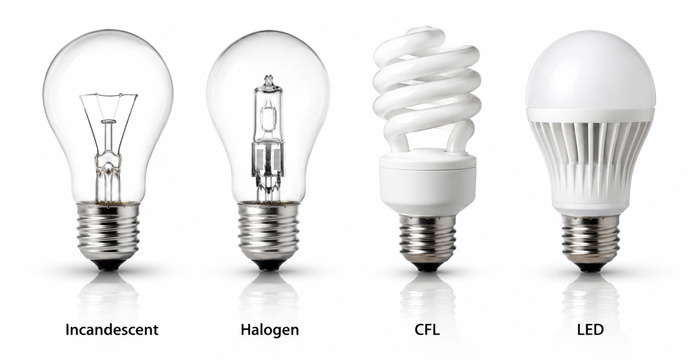
Most standard 75-watt incandescent bulbs produce between 1,050 and 1,200 lumens. The exact output may vary depending on the bulb’s design, manufacturer, age, and color temperature.
For practical shopping purposes, look for a bulb labeled 1,100 lumens when replacing a traditional 75-watt incandescent bulb.
|
Bulb Type |
Approximate Power Use |
Typical Light Output |
|---|---|---|
|
Incandescent |
75 watts |
1,050–1,200 lumens |
|
Halogen |
53–72 watts |
About 1,100 lumens |
|
CFL |
18–22 watts |
About 1,100 lumens |
|
LED |
9–13 watts |
About 1,100 lumens |
Watts vs. Lumens
Watts and lumens describe two different characteristics:
- Watts measure energy consumption.
- Lumens measure visible light output.
With incandescent bulbs, higher wattage usually meant greater brightness. Modern LED bulbs are much more efficient, so they can produce the same amount of light while using far less electricity.
For example, a 10-watt LED bulb may provide approximately 1,100 lumens, making it a suitable replacement for a 75-watt incandescent bulb. The LED is not less bright simply because its wattage is lower—it produces similar brightness with less energy.
Choosing a 75-Watt Equivalent LED Bulb

When buying an LED replacement, check the lumen rating rather than relying only on the phrase “75-watt equivalent.” A suitable bulb should generally provide around 1,100 lumens.
Also consider the bulb’s color temperature:
- 2700K–3000K: Warm, comfortable light for bedrooms and living rooms
- 3500K–4000K: Neutral light for kitchens and workspaces
- 5000K–6500K: Bright daylight-style light for garages and task areas
Color temperature changes the appearance of the light, but it does not directly determine its brightness.
FAQs
Can I use a 75-watt equivalent LED in a 60-watt fixture?
Yes. Fixture limits usually refer to actual power consumption, not equivalent wattage.
A 75-watt equivalent LED typically uses about 9 to 13 watts, so it can generally be used safely in a fixture rated for a maximum of 60 watts.
Is 1,100 lumens bright enough for reading?
A 1,100-lumen bulb can provide sufficient reading light when placed close to the reading area.
For better comfort, use a lamp that directs light toward the page and minimizes glare or shadows.
Does a lampshade reduce the brightness of a bulb?
Yes. Dark, thick, or enclosed lampshades can absorb or block part of the light.
A bulb rated at 1,100 lumens may produce noticeably less usable light once installed inside a shaded fixture.
Do LED bulbs lose brightness over time?
LED bulbs gradually become dimmer as they age rather than suddenly burning out.
A quality LED is generally considered near the end of its useful life when its brightness falls to about 70 percent of the original output.
Is a 75-watt equivalent bulb suitable for an enclosed fixture?
Only when the LED bulb is specifically rated for enclosed fixtures.
Heat can build up inside enclosed fittings, reducing bulb performance and lifespan. Check the packaging before installation.
