
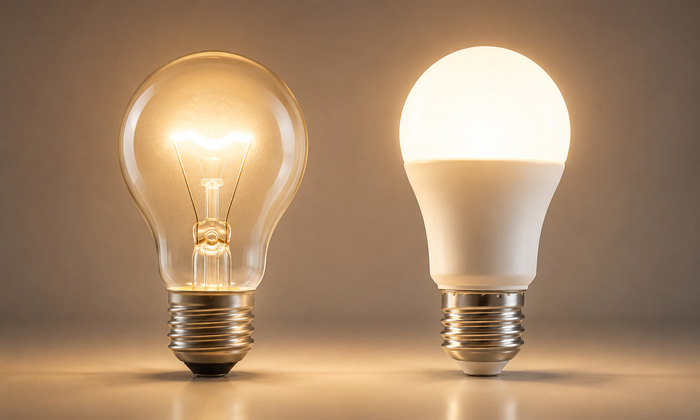
When replacing traditional incandescent bulbs with LED lighting, one of the most common questions is: what LED bulb is equivalent to 100 watts? Since LED technology produces much more light using less energy, the wattage number is no longer the best way to measure brightness. Instead, consumers should focus on lumens, which indicate the actual amount of light produced by a bulb.
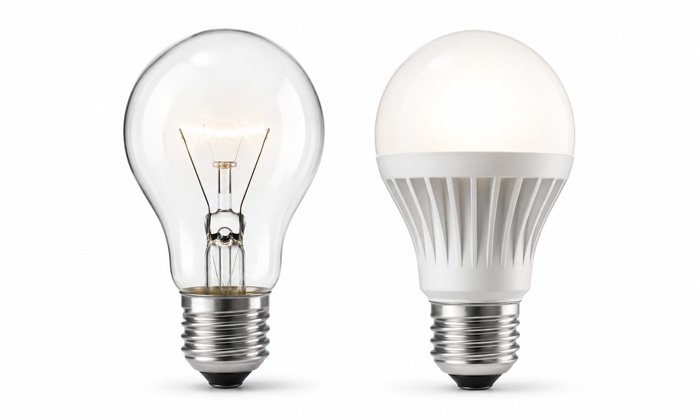
A traditional 100-watt incandescent bulb typically produces around 1,600 lumens of brightness. To achieve the same level of illumination, an LED bulb usually requires only 14 to 17 watts. Therefore, a 15-watt LED bulb is generally considered the equivalent replacement for a 100-watt incandescent bulb.
| Incandescent Wattage | LED Equivalent Wattage | Brightness (Lumens) | Common Uses |
|---|---|---|---|
| 100 watts | 14–17 watts LED | About 1,600 lumens | Living rooms, bedrooms, kitchens, large fixtures |
| 75 watts | 10–12 watts LED | About 1,100 lumens | Offices, hallways, medium-sized rooms |
| 60 watts | 8–10 watts LED | About 800 lumens | Bedrooms, lamps, general lighting |
| 40 watts | 5–7 watts LED | About 450 lumens | Small lamps, decorative lighting |
Choosing the Right 100-Watt Equivalent LED Bulb
When selecting a 100-watt equivalent LED bulb, check the product label for the phrase “100W equivalent” or a lumen rating close to 1,600 lumens. Different LED models may use slightly different wattages depending on efficiency, design, and brand, but the brightness should remain similar if the lumen output matches.

The color temperature is another important factor. A 2700K–3000K warm white LED provides a similar cozy appearance to traditional incandescent lighting and is often preferred for bedrooms and living spaces. A 4000K–5000K cool white LED produces a brighter, more daylight-like appearance and is commonly used in kitchens, garages, and work areas.
Benefits of Replacing a 100-Watt Bulb with LED
A 100-watt equivalent LED bulb can significantly reduce energy consumption. While an incandescent bulb uses 100 watts of power, an LED producing the same brightness may use only about 15 watts. This means the LED uses roughly 85% less electricity, helping reduce energy costs over time.
LED bulbs also last much longer than incandescent bulbs. A typical LED bulb can provide 15,000 to 25,000 hours of use, compared with about 1,000 hours for a traditional incandescent bulb. This reduces the need for frequent replacements and makes LED lighting a more practical long-term choice.
FAQs
What Size LED Bulb Do I Need for a 100-Watt Equivalent Replacement?
For a 100-watt incandescent bulb replacement, choose an LED bulb that provides around 1,600 lumens of brightness.
Most 100-watt equivalent LED bulbs use approximately 14–17 watts of power. The correct size depends on the fixture, bulb shape, and lighting requirements of the space.
Can I Use a 100-Watt Equivalent LED Bulb in Any Fixture?
A 100-watt equivalent LED bulb can be used in most standard fixtures, but you should check the fixture’s maximum wattage rating, bulb size, and ventilation.
Although the LED consumes less power, some enclosed fixtures may limit airflow and affect the bulb’s lifespan.
Are 100-Watt Equivalent LED Bulbs Bright Enough for Large Rooms?
Yes. A 100-watt equivalent LED bulb producing about 1,600 lumens is suitable for many medium to large rooms.
However, larger spaces may require multiple bulbs or higher-lumen lighting to achieve even illumination.
Do 100-Watt Equivalent LED Bulbs Work With Dimmer Switches?
Some 100-watt equivalent LED bulbs are dimmable, but not all models support dimming.
If you plan to use a dimmer switch, choose an LED bulb specifically labeled as dimmable and make sure the dimmer is compatible with LED technology.
How Much Money Can a 100-Watt Equivalent LED Bulb Save?
A 100-watt equivalent LED bulb can save significant energy because it uses only about 15 watts to produce similar brightness.
The actual savings depend on electricity rates, daily usage time, and the number of bulbs replaced, but the reduced energy consumption can lower lighting costs over the bulb’s lifetime.
