
How Solar Powered Lights Work
Can Solar Lights Charge Indoors?
Factors That Affect Indoor Performance
Common Indoor Uses for Solar Powered Lights
Limitations of Using Solar Lights Indoors
How to Improve Indoor Solar Light Performance
Solar Lights vs. Regular Indoor Lights
Conclusion
FAQs
Solar powered lights are commonly used outdoors for gardens, pathways, patios, and driveways, but many people wonder whether they can also be used inside a home. The answer is yes, solar powered lights can work indoors, but their performance depends on how much light the solar panel receives and how the light is used.
How Solar Powered Lights Work
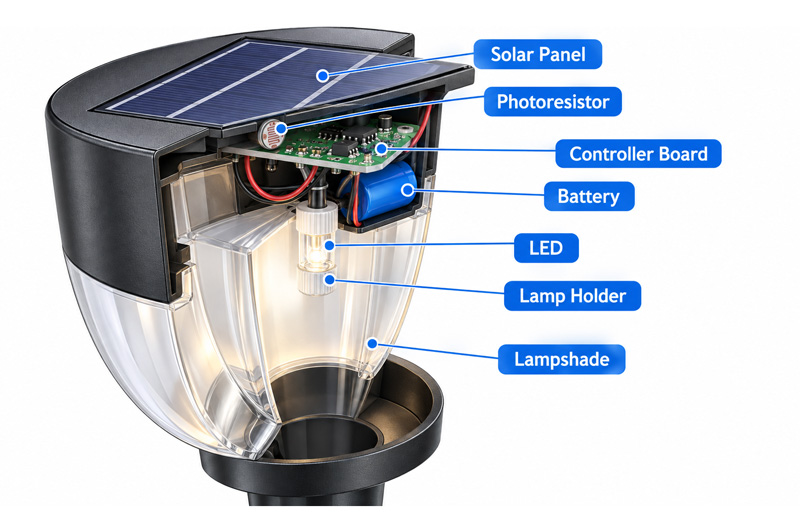
Figure 1. Exploded view of a typical solar garden lamp, showing the solar panel, rechargeable battery, LED module, controller, light sensor, and housing.
Solar powered lights rely on a simple energy system. A solar panel collects light energy during the day and converts it into electricity, which is stored in a rechargeable battery. When the environment becomes dark, the battery supplies power to the LED light.
Because the solar panel needs light to generate electricity, the amount of available light directly affects how well the solar light works. Outdoor solar lights usually perform better because they receive several hours of strong sunlight every day.
Can Solar Lights Charge Indoors?
Solar lights can charge indoors if the solar panel receives enough light, but charging efficiency is usually much lower than outdoors. Sunlight contains a high amount of energy, while indoor lighting is much weaker.
A solar light placed near a bright window can often collect enough natural light to recharge. However, placing it in a dark room or under regular ceiling lights may not provide enough energy to fully charge the battery.
Artificial indoor lights can technically produce energy for solar panels, but the charging process is usually slow and inefficient. Most household lights are designed to illuminate spaces, not to provide the strong light intensity needed for solar charging.
Factors That Affect Indoor Performance
Several factors determine whether a solar powered light will work effectively indoors:
1. Light Exposure
The most important factor is the amount of light reaching the solar panel. A panel near a south-facing window with several hours of sunlight will perform much better than one placed in a shaded area.
2. Solar Panel Quality
Higher-quality solar panels can convert light into electricity more efficiently. Some modern solar lights can charge under weaker light conditions, but they still perform best with direct sunlight.
3. Battery Capacity
The battery determines how long the light can operate after charging. A larger battery can store more energy and provide longer lighting time, while a small battery may run out quickly if charging conditions are poor.
4. Indoor Placement
The location of the solar panel matters. If furniture, curtains, or walls block the light, the charging ability will decrease. Keeping the panel close to a window or another strong light source can improve performance.
Common Indoor Uses for Solar Powered Lights
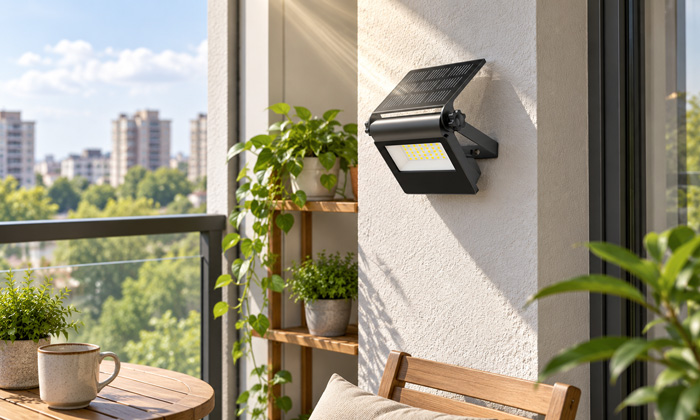
Although solar lights are mainly designed for outdoor use, they can be useful indoors in certain situations.
They can provide backup lighting during power outages, especially if they are charged before being brought indoors. They are also popular for decorative purposes, such as adding soft lighting to bedrooms, living areas, or indoor plants near windows.
Solar powered lights can also be helpful in spaces where electrical wiring is inconvenient, such as sheds, garages, balconies, or temporary indoor areas with access to sunlight.
Limitations of Using Solar Lights Indoors
The biggest challenge with indoor use is insufficient charging. A solar light that works throughout the night outdoors may not provide the same performance indoors because it cannot collect the same amount of energy.
Indoor solar lights may experience shorter operating times, weaker brightness, or longer charging periods. In rooms without natural sunlight, they may not be practical for daily lighting needs.
Another limitation is that many solar lights are designed with outdoor conditions in mind. Some models may not be suitable for indoor installation if they require specific charging angles or weather-resistant designs.
How to Improve Indoor Solar Light Performance
To get better results when using solar powered lights indoors:
- Place the solar panel near a window with direct sunlight.
- Avoid areas blocked by curtains or furniture.
- Allow enough charging time during the day.
- Choose solar lights with efficient panels and larger batteries.
- Use them mainly for decorative or backup lighting rather than primary illumination.
Solar Lights vs. Regular Indoor Lights
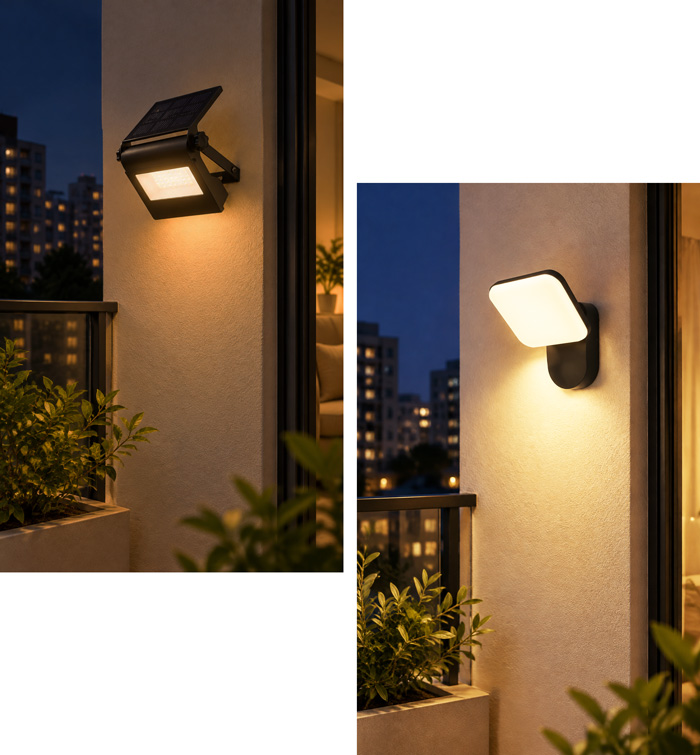
Figure 2. Solar lights generally provide lower brightness because indoor charging during the daytime is insufficient compared with direct sunlight exposure.
Solar powered lights offer the advantage of using renewable energy and reducing electricity consumption. They are also useful in areas where installing electrical wiring is difficult.
However, regular indoor lights provide more consistent brightness and reliability. They do not depend on weather conditions or sunlight availability, making them a better choice for everyday home lighting.
Conclusion
Solar powered lights can work indoors, but they are most effective when they have access to strong natural light. They can charge near windows and provide useful lighting for decoration, emergencies, and special spaces. However, because indoor lighting usually cannot provide enough energy for efficient charging, solar lights are not generally the best replacement for traditional indoor lighting.
The key to successful indoor use is proper placement and realistic expectations. With enough light exposure, solar powered lights can be a practical and energy-efficient lighting option indoors.
FAQs
