

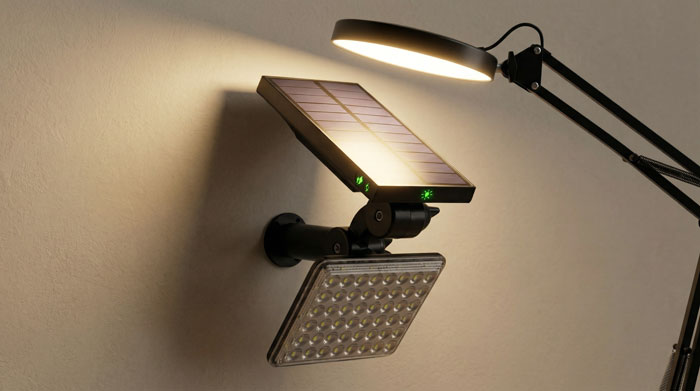
Understanding How Solar Lights Charge
Method 1: Charging with Indoor Artificial Light
Method 2: Charging Through a Window
Method 3: USB Backup Charging (Fastest Option)
Method 4: Installing a Remote or Detachable Solar Panel
Common Mistakes That Reduce Charging Efficiency
Charging Time Comparison (2026 Estimates)
Long-Term Maintenance Tips
FAQs
Solar lights are designed to capture sunlight and convert it into electricity for nighttime use. But what happens during extended cloudy weather, winter months with limited daylight, or when you want to place solar lights indoors? Many people assume solar lights become ineffective without direct sunshine. In reality, that’s not true.
Solar panels respond to light energy—not just direct sun. While full outdoor sunlight provides maximum charging efficiency, alternative light sources can still generate enough energy to keep your lights functioning.
Understanding How Solar Lights Charge
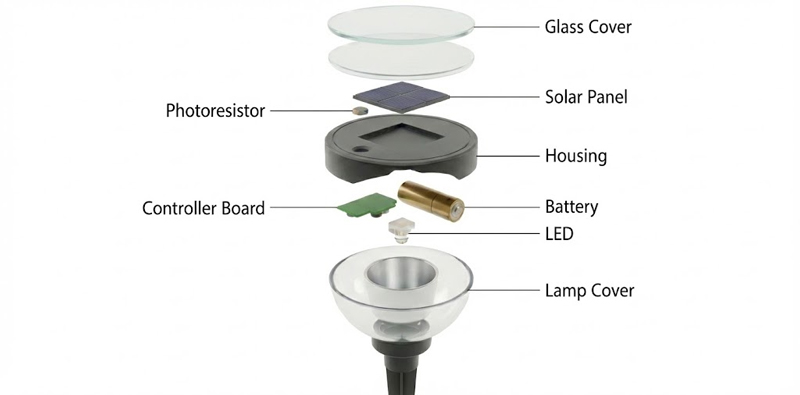
Every solar light contains three essential components:
- A photovoltaic (PV) panel that converts light into electricity
- A rechargeable battery that stores the energy
- An LED bulb with an automatic light sensor
During the day, the panel absorbs light and charges the battery. At night, the stored energy powers the LED. The intensity, duration, and angle of light exposure determine how efficiently the battery charges.
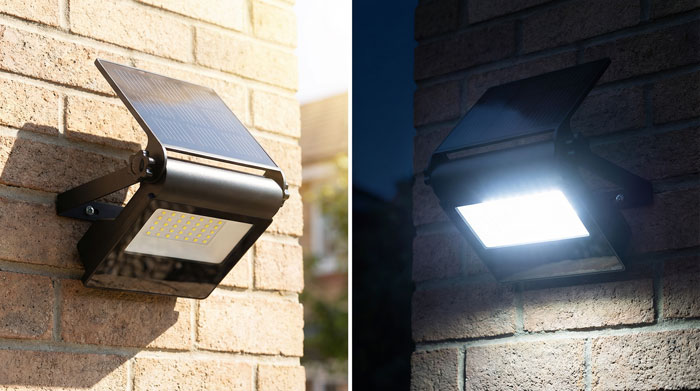
Even without direct sunlight, artificial lighting and indirect natural light can provide usable energy. The key difference is charging speed.
Method 1: Charging with Indoor Artificial Light
One of the simplest alternatives to sunlight is indoor lighting. Modern LED bulbs are far more efficient than older lighting technologies, making indoor charging more practical than it used to be.
The most effective indoor light sources are:
- Bright LED bulbs (10–15 watts or higher)
- Incandescent bulbs (40–60 watts)
Place the solar panel approximately 2–6 inches (5–15 cm) from the bulb. The closer the light source, the stronger the intensity reaching the panel. Cool white LEDs (4000K–6500K) generally perform better than warm-toned bulbs because their light spectrum more closely resembles daylight.
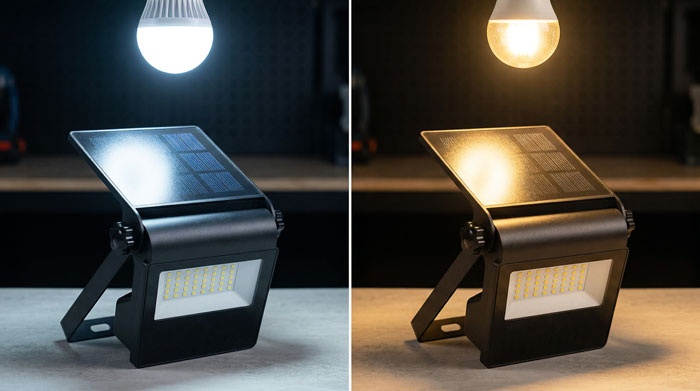
Indoor charging typically requires 8–12 hours for a moderate charge. While this may not fully replenish a completely drained battery, it can provide several hours of nighttime illumination. If using incandescent bulbs, monitor heat buildup to avoid damaging the panel.
Method 2: Charging Through a Window
If you have access to a bright window, indirect sunlight can serve as an effective charging method. Although glass reduces overall light intensity, most modern solar panels rely primarily on visible light, which still passes through windows.
Position the solar light directly on a windowsill where it can receive maximum daylight exposure. In the Northern Hemisphere, south-facing windows receive the strongest sunlight throughout the day. Clean glass and panel surfaces regularly to ensure maximum light transmission.
Charging through a window is generally 30–50% slower than direct outdoor exposure. In winter, it may take up to 10–14 hours to achieve a strong charge. Despite the slower rate, this method is ideal for apartment dwellers or indoor decorative lighting.
Method 3: USB Backup Charging (Fastest Option)
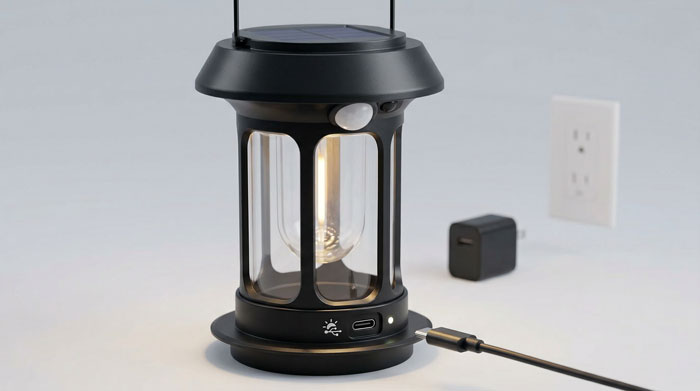
Many newer solar lights released in 2025–2026 include built-in USB-C or Micro-USB charging ports. This feature provides the fastest and most reliable alternative to sunlight.
USB charging can restore a full battery within 2–5 hours, depending on capacity. Because USB power delivers consistent voltage, it ensures a complete and balanced charge cycle. This is especially useful during prolonged cloudy seasons or when preparing lights for extended nighttime use.
If dependable performance is important—particularly for pathway or security lighting—choosing solar lights with USB backup charging is highly recommended.
Method 4: Installing a Remote or Detachable Solar Panel
Some advanced solar lighting systems include detachable or remote solar panels connected by a cable. This allows you to place the panel in full sunlight while installing the light fixture in shaded or covered areas.
This setup works particularly well for covered patios, balconies, or security lights mounted under roof overhangs. By relocating only the panel, you maximize sunlight exposure without changing the lighting layout.
Proper panel positioning is critical. Angle the panel toward the strongest light source and adjust seasonally if possible to improve efficiency.
Common Mistakes That Reduce Charging Efficiency
Even when using alternative charging methods, certain errors can significantly reduce performance:
- Placing the panel too far from artificial light sources
- Using colored LED lights (red or blue are inefficient)
- Leaving lights switched on during charging (unless designed for it)
- Allowing dust, dirt, or moisture to accumulate on the panel
Regular cleaning and correct placement dramatically improve charging results.
Charging Time Comparison (2026 Estimates)
|
Charging Method |
Estimated Time |
Efficiency Level |
|---|---|---|
|
Direct outdoor sunlight |
6–8 hours |
Highest |
|
Through window |
8–14 hours |
Medium |
|
Indoor LED bulb |
8–12 hours |
Medium-Low |
|
Incandescent bulb |
6–10 hours |
Medium |
|
USB charging |
2–5 hours |
Very High |
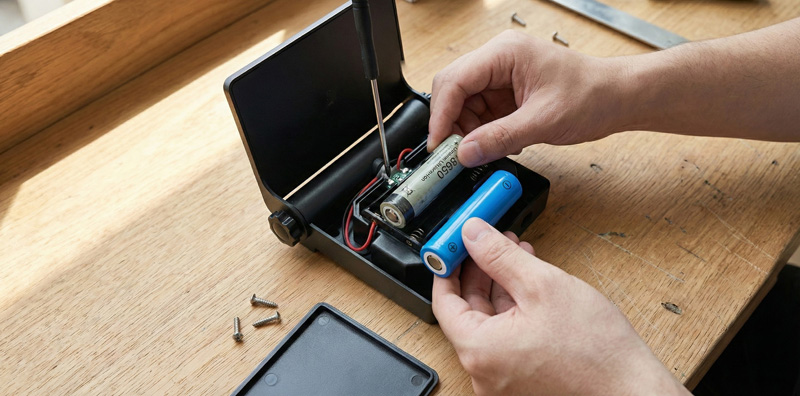
Solar lights require basic maintenance to maintain efficiency. Keep panels clean, replace rechargeable batteries every 1–2 years, and inspect wiring or seals for moisture damage. During extreme winter conditions, temporarily storing lights indoors can prolong battery life.
Additionally, ensure proper positioning throughout the year. Seasonal sun angle changes can significantly impact charging performance.
Can solar lights charge on cloudy or rainy days?
Yes, solar lights can still charge on cloudy or rainy days, but efficiency drops significantly.
On heavily overcast days, panels may only receive approximately 10–25% of normal sunlight intensity.
High-efficiency monocrystalline panels generally perform better in low-light conditions than older polycrystalline models. However, during consecutive cloudy days, battery reserves may gradually decline.
Do solar lights need direct sunlight to fully charge?
Direct sunlight is ideal but not strictly required. Solar panels convert visible light into electricity, so indirect daylight can still generate power.
Without direct sunlight, however, full charging typically requires much longer exposure.
For optimal battery capacity and longer nighttime runtime, several hours of strong daylight exposure are recommended whenever possible.
How long do solar light batteries typically last?
Battery lifespan depends on chemistry and usage cycles:
- NiMH batteries: typically 1–2 years
- Lithium-ion batteries: typically 2–4 years
Over time, rechargeable batteries gradually lose capacity, resulting in shorter illumination periods at night.
Regular full charge cycles and avoiding deep discharge can help extend battery life.
Can you overcharge a solar light?
Most modern solar lights include built-in charge controllers that prevent overcharging by stopping current flow once the battery reaches full capacity.
However, using incorrect external chargers—especially when removing batteries for separate charging—can cause overcharging damage.
Always use chargers that match the battery type and voltage specifications.
Why do solar lights stop working even after charging?
If a solar light fails to operate despite apparent charging, possible causes include:
- Degraded or expired rechargeable battery
- Corrosion on battery terminals
- Faulty light sensor or loose wiring connection
- Moisture damage inside the housing
In many cases, replacing the battery restores function. If corrosion or internal damage is present, repair or full replacement may be necessary.
