

Understanding LED Bulb Wattage Ratings
Can a Higher Wattage LED Bulb Be Used Safely?
Why Fixture Wattage Limits Should Not Be Ignored
Higher Brightness Does Not Always Require Higher Wattage
Situations Where a Higher Output LED Bulb May Cause Problems
How to Choose the Right LED Bulb for a Fixture
Common Mistakes When Using Higher Wattage LEDs
FAQs
When replacing old bulbs with LED lighting, many homeowners wonder whether they can install a higher wattage LED bulb than the fixture recommends. A brighter bulb may seem like an easy way to improve lighting, but wattage limits exist for specific safety reasons. Understanding how LED wattage works, how fixtures handle electrical loads, and how brightness is measured helps you make a safer choice.
The answer depends on whether the bulb has a higher actual wattage or simply a higher wattage equivalent rating. These two terms are often confused, especially because LED bulbs can produce the same brightness as traditional bulbs while using much less energy.
Understanding LED Bulb Wattage Ratings
Wattage refers to the amount of electrical power a bulb consumes during operation. In older incandescent lighting, a higher wattage usually meant a brighter bulb because most of the energy was converted into heat rather than light. LED technology works differently, allowing a low-wattage bulb to produce high levels of brightness.
For example, a 10-watt LED bulb may provide similar brightness to a traditional 60-watt incandescent bulb. The “60W equivalent” label describes light output rather than actual power consumption. This difference between energy use and brightness is one reason many consumers need to understand what the wattage of a light bulb indicates before choosing a replacement.
A fixture’s wattage limit applies to the bulb’s actual power usage, not its equivalent brightness rating. A 100-watt equivalent LED bulb that consumes only 14 watts is usually acceptable in a fixture rated for 60 watts, while a true 60-watt LED bulb may exceed the same fixture’s limit.
Can a Higher Wattage LED Bulb Be Used Safely?
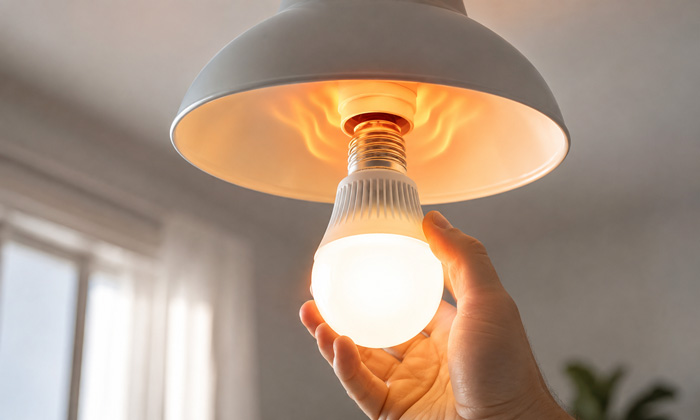
A higher wattage equivalent LED bulb can often be used safely because modern LEDs require less electricity than traditional bulbs. However, installing an LED bulb with a higher actual wattage than the fixture allows is not recommended.
Every light fixture is designed with a maximum electrical load and heat tolerance. Even though LEDs generate less heat than incandescent bulbs, they still produce heat through the LED chips and internal electronic drivers. If a bulb uses more power than the fixture was designed to handle, heat may build up and affect both the bulb and the fixture.
The following table shows the difference between actual wattage and equivalent brightness:
| Bulb Type | Actual Power Consumption | Approximate Brightness |
|---|---|---|
| 40W incandescent bulb | 40 watts | Around 450 lumens |
| 60W equivalent LED bulb | 8–10 watts | Around 800 lumens |
| 100W equivalent LED bulb | 14–17 watts | Around 1,600 lumens |
| High-output LED bulb | 20–30 watts | 2,000+ lumens |
The important factor is always the real wattage listed on the LED packaging.
Why Fixture Wattage Limits Should Not Be Ignored
Light fixtures include wattage ratings because electrical components and materials have operating limits. Exceeding these limits may create excessive heat, especially in enclosed spaces where airflow is restricted.
Using an oversized LED bulb can cause several problems:
| Problem | Possible Effect |
|---|---|
| Excess heat buildup | Reduced bulb performance and shorter lifespan |
| Driver damage | Internal LED electronics may fail earlier |
| Fixture stress | Sockets and wiring may experience unnecessary strain |
| Safety risks | Excessive heat may increase electrical hazards |
Although LED bulbs are energy efficient, they are not completely heat-free. The heat produced by the electronic components needs a way to escape, which is why enclosed fixtures often require specially designed LED bulbs.
Higher Brightness Does Not Always Require Higher Wattage
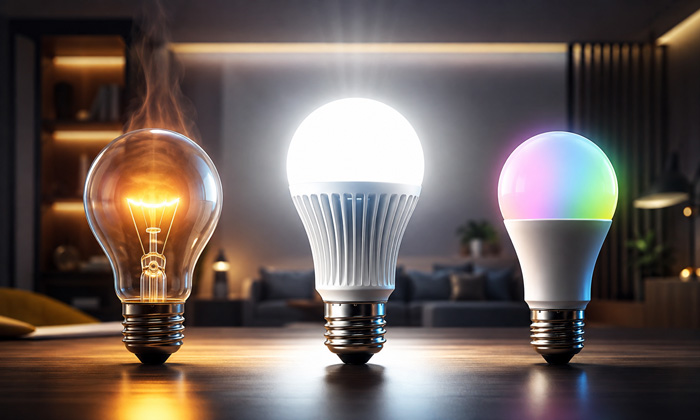
Many people choose higher wattage bulbs because they want brighter rooms, but wattage is no longer the best measurement for LED brightness. Lumens provide a more accurate indication of how much visible light a bulb produces.
For example, replacing a dim 800-lumen LED bulb with a 1,600-lumen LED bulb may improve brightness without exceeding the fixture’s electrical rating. Selecting the correct lumen output allows you to achieve better lighting while maintaining energy efficiency.
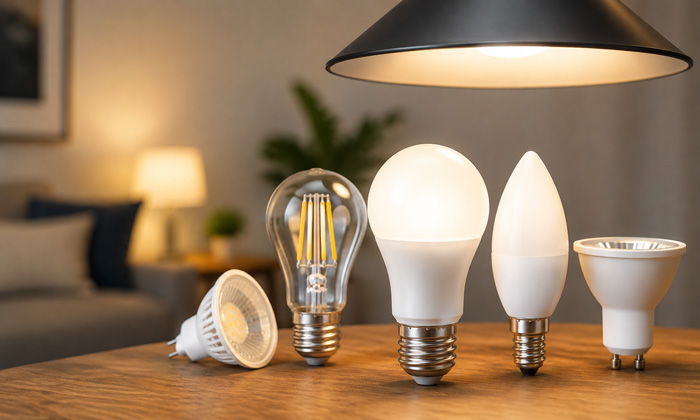
LED bulbs are also available in different designs, shapes, and applications. From early incandescent inventions to modern smart lighting systems, the development of bulbs has changed how people use electricity for illumination, with many interesting details covered in fun facts about light bulbs.
Situations Where a Higher Output LED Bulb May Cause Problems
Even when the wattage appears acceptable, the type of fixture can affect performance. Some fixtures are not suitable for powerful LED bulbs because they cannot release heat efficiently.
Enclosed Fixtures
Closed ceiling lights and covered lamps can trap heat around the bulb. High-output LEDs installed in these areas may experience reduced lifespan because the internal temperature becomes too high.
Dimmable Fixtures
A brighter LED bulb should also match the dimmer switch. Non-compatible combinations may cause flickering, buzzing sounds, or inconsistent brightness.
Older Fixtures
Older lighting fixtures may have worn sockets, outdated wiring, or lower heat resistance. Replacing old bulbs with modern LEDs is often beneficial, but the fixture condition should still be considered.
Outdoor Lighting
Outdoor fixtures experience changing temperatures and weather conditions. Choosing an LED bulb designed for outdoor use helps maintain stable performance.
How to Choose the Right LED Bulb for a Fixture
Before installing a brighter LED bulb, check several important factors:
Check Actual Wattage
Look at the bulb label and identify the actual wattage number. Do not use the equivalent incandescent rating when comparing it with the fixture limit.
Compare Lumens
Choose brightness based on lumen output rather than wattage. This helps you find a brighter bulb without unnecessary power consumption.
Confirm Fixture Compatibility
Some fixtures are designed only for specific LED bulbs, especially enclosed or dimmable models. Compatibility information helps prevent poor performance and premature failure.
Many regular fixtures can support LED upgrades, but the bulb type and fixture design still need to match. Factors such as socket size, ventilation, and electrical rating determine whether a replacement bulb will work properly, which is why choosing suitable LED light bulbs for regular fixtures requires more than checking physical size alone.
Common Mistakes When Using Higher Wattage LEDs
One common mistake is assuming that a “higher wattage equivalent” bulb consumes more electricity. A 100-watt equivalent LED bulb may actually use less than 20 watts, making it suitable for many fixtures that originally used 100-watt incandescent bulbs.
Another mistake is ignoring heat management. LED efficiency reduces energy waste, but heat still affects performance. Installing a powerful LED bulb in a small enclosed fixture may shorten its service life.
Some users also replace bulbs based only on appearance or brightness without checking whether the fixture supports the new bulb. Proper matching between bulb specifications and fixture requirements ensures better reliability.
FAQs
Does a higher wattage LED bulb make a room brighter?
Yes, a higher wattage LED bulb can produce more light, but wattage alone does not determine brightness.
LED brightness depends mainly on lumen output, while wattage shows how much electricity the bulb consumes. Choosing a bulb with higher lumens is usually a better way to increase brightness.
Can a high-lumen LED bulb damage a light fixture?
A high-lumen LED bulb will not normally damage a fixture as long as its actual wattage stays within the fixture’s rated limit.
The main concern is the electrical load and heat produced by the bulb rather than the amount of light it produces.
Why do some LED bulbs have lower wattage limits on enclosed fixtures?
Enclosed fixtures restrict airflow, making it harder for LED bulbs to release heat.
Since LED drivers and electronic components still generate heat during operation, manufacturers often set lower wattage recommendations for enclosed spaces to maintain performance and lifespan.
Can a higher wattage LED bulb affect my electricity bill?
A higher wattage LED bulb may increase energy use compared with a lower wattage model, but LED bulbs are generally much more efficient than traditional incandescent bulbs.
The actual wattage listed on the bulb determines energy consumption, not the equivalent incandescent rating.
What happens if an LED bulb is too powerful for a lamp socket?
Using an LED bulb that exceeds the socket’s recommended wattage can cause excessive heat buildup, reduce bulb lifespan, and potentially damage fixture components.
Selecting a bulb that matches the fixture specifications helps maintain safe and reliable operation.
