
How to choose LED garden lights specifically for Spain
The 6 best LED garden lights for Spain in 2026
1. Lumetro LM-W3101 Model
2. Philips Hue Lily Outdoor Spot
3. STEINEL XSolar (sensor solar wall light)
4. Govee Outdoor Smart Lights (RGBIC)
5. Kärcher (or similar low-voltage modular garden lighting system)
6. In-Lite (or similar premium outdoor low-voltage line)
A practical lighting plan that works for most Spanish homes
Buying and installation tips (quick checklist)
Which one should you buy?
FAQs
Spain is one of the best places in Europe to enjoy outdoor living: long evenings on the terrace, late dinners under a pergola, and gardens that stay active almost all year. That also means outdoor lighting in Spain tends to run longer hours than in many other countries—so durability, efficiency, and thoughtful beam control matter as much as aesthetics.
In 2026, the “best” LED garden lights for Spain are not simply the brightest fixtures. The best choices create a layered, comfortable atmosphere without glare, keep running costs low, handle heat and UV exposure, and survive real outdoor conditions such as irrigation spray, sudden rain, and—near the coast—salt air. If you choose well, garden lighting becomes something you stop noticing because it just works: it guides your steps, flatters your planting, and makes the whole property feel welcoming and secure.
How to choose LED garden lights specifically for Spain
Spain’s regions vary—humid Atlantic north, dry central plateau, Mediterranean coast, and island climates—yet a few selection rules work almost everywhere.
Start with protection and materials.
For fixtures exposed to rain, sprinklers, and dust, aim for IP65 or higher. If the light is under a deep roof or fully sheltered, IP44 can be adequate, but IP65 gives more peace of mind. For materials, die-cast aluminum with a proper outdoor coating is a safe all-rounder. If you live near the sea, look for strong corrosion resistance and well-sealed hardware.
Pick light that feels Mediterranean.
Warm white—around 2700K to 3000K—usually looks best with Spanish stone, terracotta, wood, and greenery. It also creates a more relaxing terrace mood than cooler white. A well-directed beam matters too: you want light on surfaces and paths, not in your eyes or your neighbors’ windows.
Decide on power and wiring style early.
Spain uses mains electricity in the 220–240V range. You can install mains fixtures, but many homeowners prefer low-voltage garden systems (often 12V or 24V) for easier, safer routing through garden beds. If you want the easiest install with no wiring, solar can work—especially in sunnier regions—if you choose a well-built unit from a reliable brand.
Finally: think in layers.
A beautiful Spanish garden at night is rarely one big floodlight. Instead, it’s:
- soft wall light on the façade,
- subtle path lighting near steps,
- a few spots on key plants or trees,
- and optionally a motion light for security.
The 6 best LED garden lights for Spain in 2026
1. Lumetro LM-W3101 Model — Clean architectural wall lighting (with sensor option)
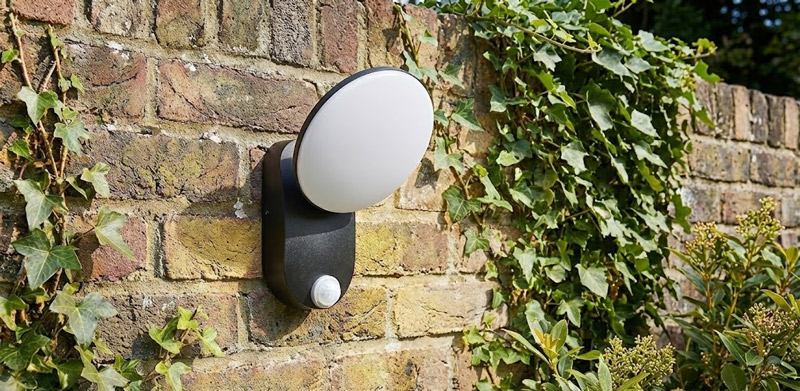
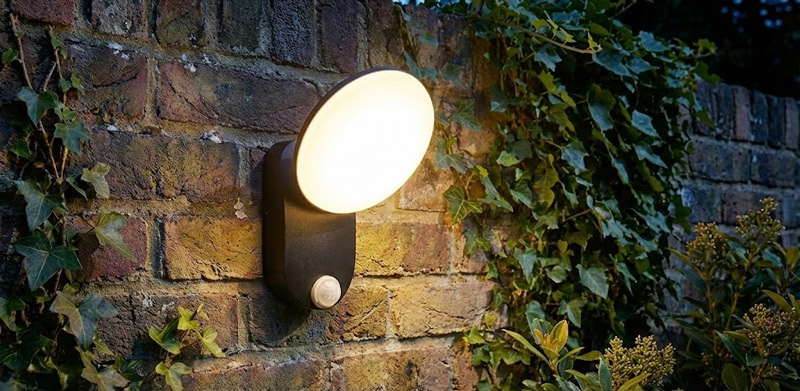
If you want that refined “boutique hotel entrance” look—calm, modern, and tidy—the Lumetro LM-W3101 is a strong starting point. It’s an architectural wall light that can be used around entrances, patios, exterior corridors, or along garden walls. Rather than blasting the area with harsh brightness, it focuses on an elegant, controlled effect that makes façades look intentional.
Where it fits Spain especially well is in its practical build and broad operating tolerance. Many Spanish homes have sun-exposed walls that heat up, then cool quickly overnight. A robust, well-sealed wall fixture with a sensible output helps you avoid premature failures and annoying flicker issues.
Why it stands out:
- A balanced power level for architectural lighting (bright enough to read the space, not so bright it ruins the mood)
- Outdoor-ready sealing for rain and dust
- Multiple color temperature options—choose 3000K for the most natural “Mediterranean evening” feel
- Optional motion-sensing feature for entrances and side paths
Best for: entrances, façade accents, patios, and perimeter walls
Avoid if: you want wide area coverage like a floodlight (this is designed for controlled architectural light)
2. Philips Hue Lily Outdoor Spot — Smart spotlighting for plants, walls, and scenes
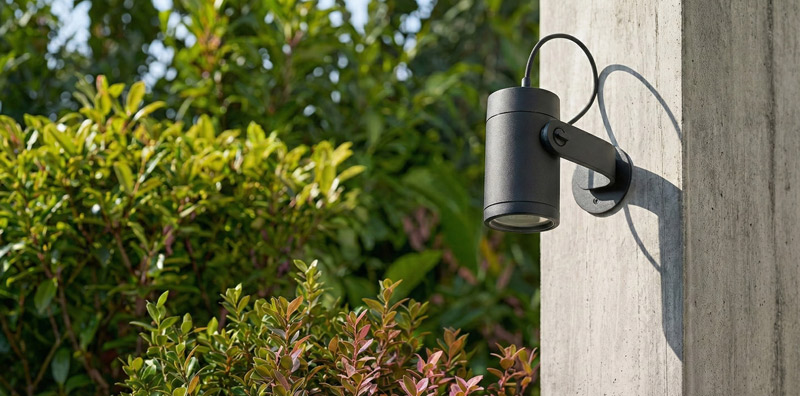

For homeowners who love mood lighting—especially if you host dinners outdoors—Philips Hue Lily spotlights are among the most flexible choices. They’re designed to highlight plants and architectural textures, and the smart controls let you change the vibe instantly: warm white for quiet evenings, brighter functional light for cleaning, or color scenes for events.
A big advantage in Spanish terrace life is convenience. You can set schedules (e.g., lights on at dusk, off at 1 a.m.), automate welcome lighting, or control everything from your phone. It’s also easy to add more lights later, which helps if you gradually expand a garden.
Best for: olive trees, feature walls, pergolas, statement plants, party scenes
Watch-outs: smart systems cost more, and you’ll want to plan cable routing neatly so the garden still looks premium in daytime.
3. STEINEL XSolar (sensor solar wall light) — Solar + motion security that feels “grown up”
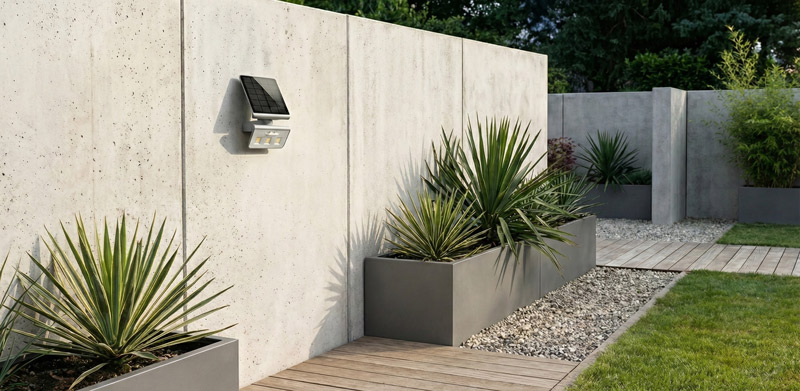
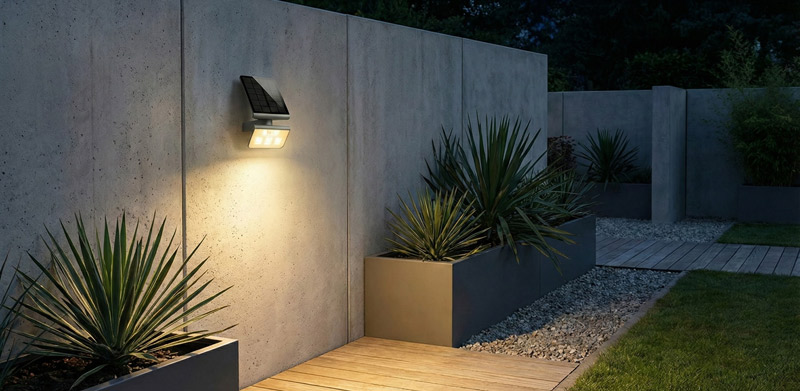
Solar lighting can be excellent in Spain—especially in sunnier regions—if you choose a serious unit rather than bargain decorative pieces. STEINEL is known for sensor technology, and their solar wall lighting lines tend to be built with the idea of reliability and practical illumination rather than gimmicks.
A solar sensor wall light is ideal for side entrances, garage approaches, shed areas, or garden gates where you want light only when needed. In 2026, this category is popular because it reduces wiring effort and keeps energy consumption minimal. If your home has a long boundary wall or a walkway far from existing electrical points, solar can be the most cost-effective route.
Best for: gates, side paths, storage areas, occasional-use entrances
Watch-outs: placement matters. Solar panels need enough daylight; heavy shade reduces performance.
4. Govee Outdoor Smart Lights (RGBIC) — Strong value for smart ambience on terraces
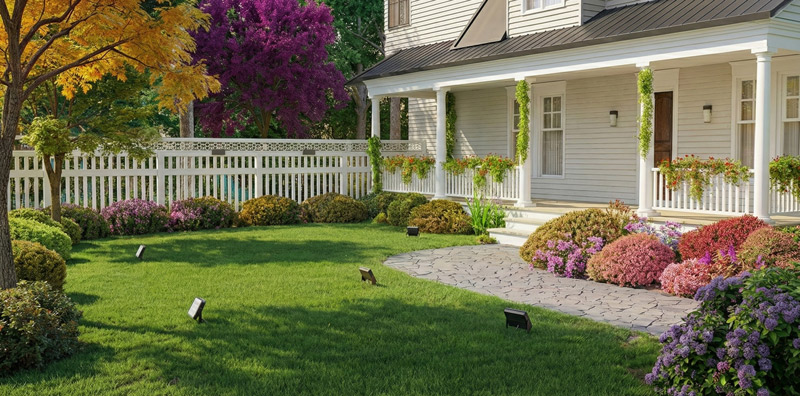
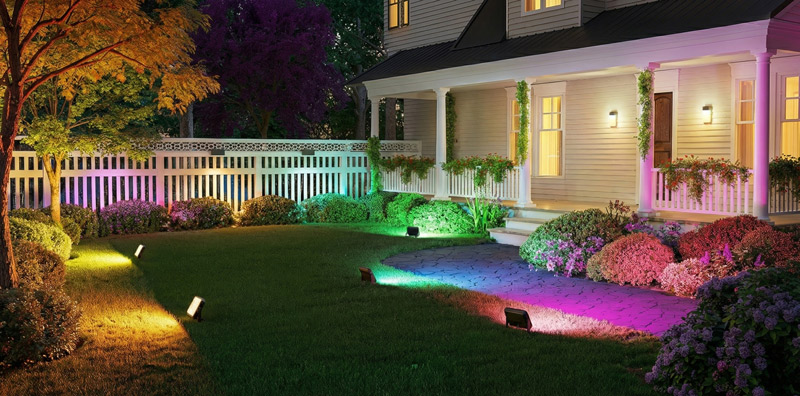
If your priority is “maximum vibe per euro,” Govee has become a go-to name for smart outdoor ambience—especially for terraces, balconies, and pergola zones. Their outdoor string and perimeter lighting options are popular because they’re easy to install and deliver bold effects, while also allowing calmer warm-white setups when you don’t want color.
For Spanish homes that host frequently, this is a fun category: you can create a comfortable terrace glow most nights, then switch to celebratory scenes during holidays and gatherings. It’s also useful for rentals or second homes: quick installation, visible impact, and app-based control.
Best for: terraces, pergolas, balcony edges, entertaining zones
Watch-outs: If you care about a “timeless luxury” look, keep colors subtle and avoid overly bright patterns.
5. Kärcher (or similar low-voltage modular garden lighting system) — Practical, expandable path & accent lighting
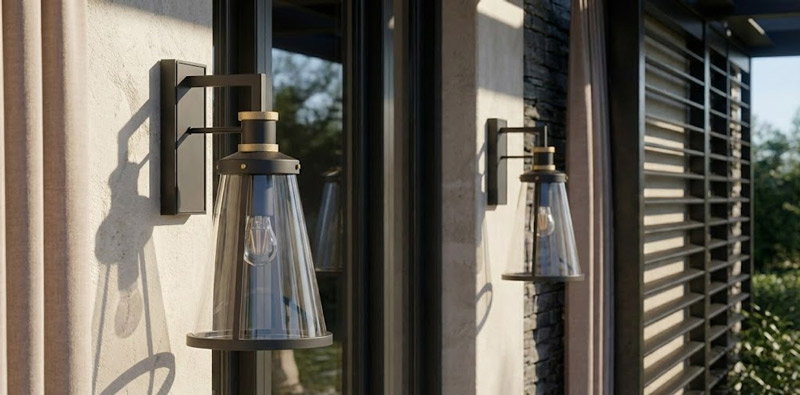

Low-voltage modular garden lighting has become a smart “set and forget” approach for homeowners who want consistent results without complicated electrical work. These systems typically include path lights, spots, and connectors that let you build a cohesive layout: driveway edge, steps, planting beds, and small accent points. In Spain, this is especially useful for villas with larger plots where you want unified lighting across multiple zones.
The big advantage is expandability. You might start with four path lights and two spots, then later add another run around a pool deck or a garden seating area. Low-voltage is also friendlier for DIY installation (while still respecting local regulations and safe practices).
Best for: path lighting, steps, garden edges, multi-zone gardens
Watch-outs: plan your transformer capacity and cable lengths up front so the system stays balanced and reliable.
6. In-Lite (or similar premium outdoor low-voltage line) — High-end optics for modern Spanish landscaping
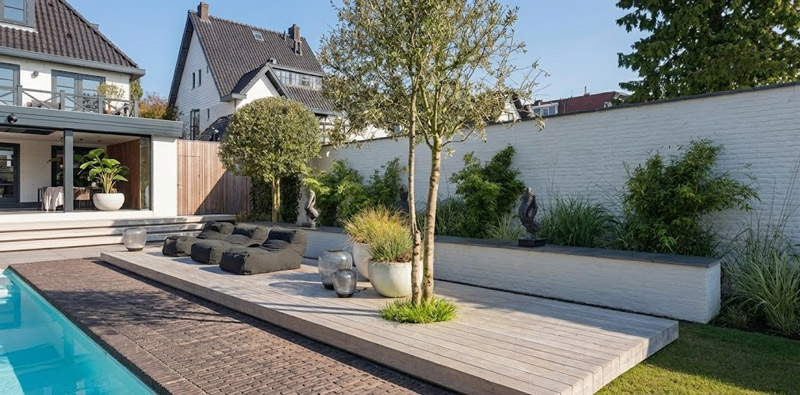
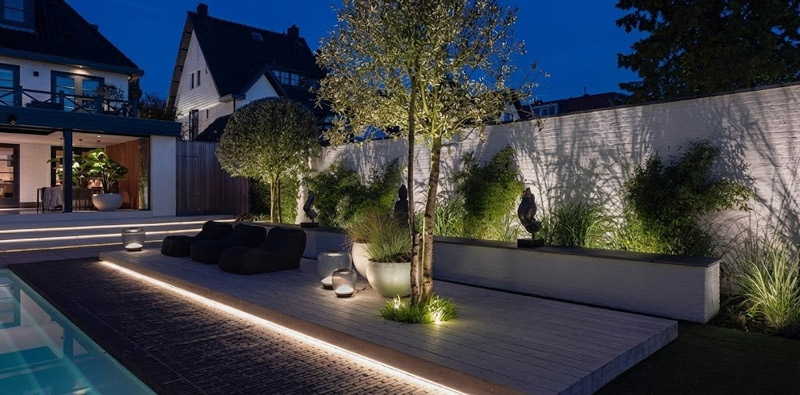
For those who want a more architectural, “designer garden” finish, premium low-voltage systems such as In-Lite are worth considering. These brands focus on beam control, glare reduction, and consistent aesthetics across the whole property. The result is lighting that looks expensive not because it’s bright, but because it’s controlled and flattering.
In modern Spanish landscaping—clean stone, sculptural planting, minimalist pools—this approach is often the best match. You get subtle pools of light, carefully framed highlights, and a cohesive visual language rather than a mix of unrelated fixtures.
Best for: contemporary gardens, minimalist villas, high-end landscape design
Watch-outs: higher upfront cost; best results come from a lighting plan (even a simple one).
A practical lighting plan that works for most Spanish homes
If you want a “safe and beautiful” setup without overthinking it, here is a reliable structure:
-
Façade / terrace wall lights (2–6 units):
Use architectural wall fixtures like to define the home and make the terrace feel finished. -
Path and steps (4–12 points):
Use low-glare path lights at key walking lines—especially steps, corners, and transitions. -
Plant accents (3–8 spots):
Choose a few hero features: an olive tree, a palm, a statement cactus cluster, or textured stone wall. One good spotlight per feature often looks better than many weak ones. -
Security / occasional zones (1–3 motion lights):
Add a motion solar or sensor unit near a side gate or driveway to make arrivals safer without leaving bright lights on all night.
Buying and installation tips (quick checklist)
- Choose warm white (2700–3000K) for most residential Spanish gardens.
- Prioritize glare control: shielded fixtures, downward beams, and thoughtful aiming.
- In coastal areas, favor corrosion-resistant finishes and strong seals.
- Use timers/schedules or motion sensors to reduce unnecessary runtime.
- If you’re mixing brands, keep a consistent color temperature and brightness style so the garden looks unified.
Which one should you buy?
- Want a clean, modern façade look with strong weather readiness? → Lumetro LM-W3101
- Want smart scenes and plant highlighting with a premium ecosystem? → Philips Hue Lily
- Want wiring-free security lighting that makes sense in sunny Spain? → STEINEL solar sensor wall light
- Want fun ambience and strong value on terraces? → Govee Outdoor smart lighting
- Want a practical, expandable all-garden solution? → A modular low-voltage system (Kärcher or similar)
- Want the most “designer” outcome with excellent optics? → In-Lite or another premium low-voltage line
FAQs
What color temperature looks best in Spanish gardens, and why?
For most homes in Spain, warm white light in the 2700K–3000K range is the most reliable choice.
It complements common exterior materials such as stone, stucco, terracotta, and wood, and keeps plants looking natural at night.
Cooler whites above 4000K can feel harsh on light-colored walls and often make outdoor spaces less relaxing, especially on terraces used for long evenings.
Which IP rating should I choose for outdoor garden lights in Spain?
The IP rating should match the level of exposure:
- IP65 or higher: Recommended for fully exposed fixtures such as open walls, garden beds, and areas affected by sprinklers or wind-driven rain.
- IP44: Acceptable for well-sheltered locations like deep covered terraces, provided water cannot pool around the fixture.
If there is any uncertainty, choosing the higher rating is safer. Sudden downpours and irrigation overspray are common causes of failure.
Is mains-powered outdoor lighting better than low-voltage systems?
It depends on location and desired flexibility.
Mains-powered (220–240V) lighting works well for fixed elements such as façades and entrances, offering clean installation and strong output.
Low-voltage systems are often preferred for paths and planting areas because they are safer to route through soil, easier to expand, and simpler to reconfigure if the garden layout changes.
Do solar motion-sensor lights work well in Spain?
Yes, they can perform very well in Spain’s sunny climate when used correctly.
Solar motion lights are best treated as security and convenience lighting rather than primary ambience lighting.
They work well for side gates, storage areas, drive approaches, and occasional-use paths.
Correct placement is critical—panels in heavy shade will suffer reduced winter performance and inconsistent behavior.
How do professionals avoid the “airport runway” look and reduce glare?
The most common mistake is over-lighting paths with bright sources at eye level.
A professional approach focuses on layering and control:
- Layer lighting: soft façade or terrace light, subtle path guidance, and a few plant accents.
- Aim and shield: direct beams downward or onto surfaces, not into sightlines.
- Use controls: timers, dimming, or motion sensors to limit unnecessary runtime.
- Choose fewer, better points: well-placed lights usually look more refined than many bright fixtures.
