
1. Illuminate Garden Pathways with Color Changing Lights
2. Highlight Trees and Large Plants with Color Changing Uplighting
3. Create a Colorful Garden Border with LED Strip Lighting
4. Add Color Changing Lights Around Water Features
5. Design a Color Changing Patio or Outdoor Living Area
6. Use Color Changing Spotlights to Showcase Garden Features
7. Create Seasonal Garden Lighting Themes
8. Add Color Changing Lights to Garden Walls and Fences
9. Decorate Garden Arches and Pergolas with Color Changing Lights
10. Create a Color Changing Fire Pit Area for Evening Gatherings
Tips for Choosing Color Changing Outdoor Garden Lights
FAQs
Color changing outdoor lighting has become one of the most effective ways to transform a garden into a dynamic and inviting outdoor space. Unlike traditional fixed-color lights, RGB and smart LED lighting systems allow homeowners to adjust colors, brightness, and lighting effects according to different occasions, seasons, and moods.
Whether you want to highlight plants, create a relaxing atmosphere, improve outdoor entertainment areas, or add a modern touch to your landscape design, color changing garden lights offer flexible solutions. Below are ten creative ideas to help you use color changing outdoor lighting effectively in your garden.
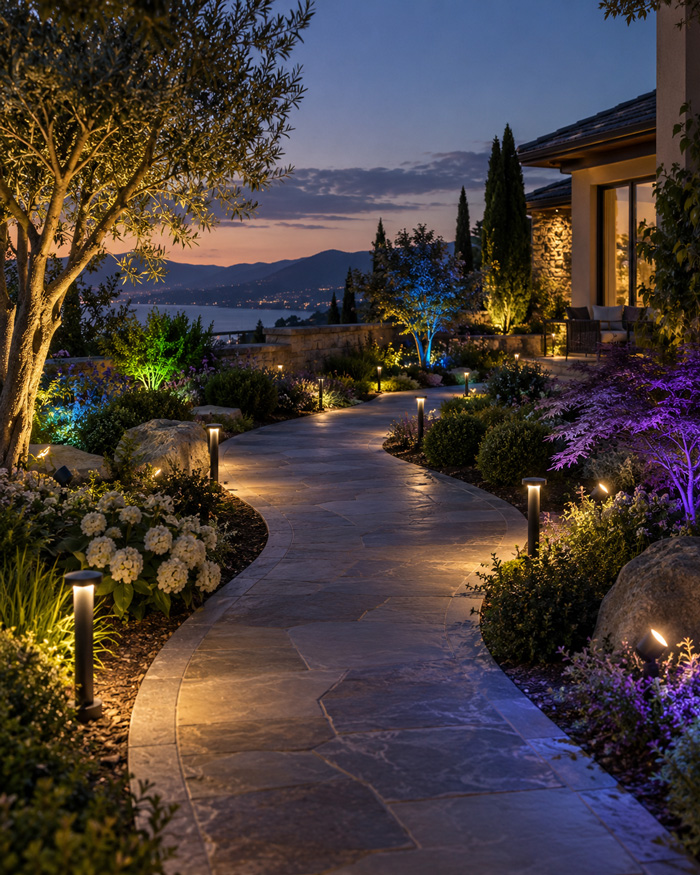
1. Illuminate Garden Pathways with Color Changing Lights
Garden pathways are not only functional areas but also important design elements. Installing color changing lights along walkways can improve visibility while adding a decorative feature to the landscape.
Soft white tones create a natural and elegant look for everyday use, while blue, green, or purple colors can create a more artistic atmosphere for evening events.
Low-voltage LED pathway lights with adjustable colors provide energy efficiency and easy customization. Place lights evenly along pathways or use small spotlights to create gentle pools of light.
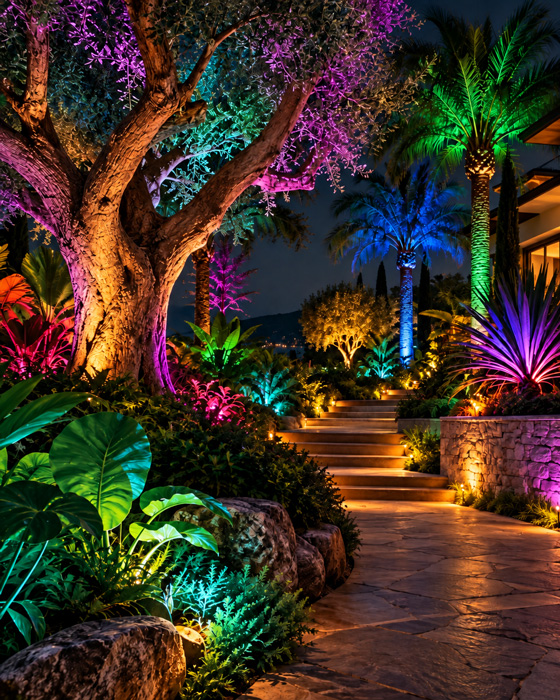
2. Highlight Trees and Large Plants with Color Changing Uplighting
Large trees, palms, and decorative plants can become stunning focal points when illuminated from below.
Color changing uplights emphasize tree shapes, textures, and leaf patterns while adding depth to the garden at night.
Green lighting enhances natural plant colors, while warm amber tones create a cozy appearance. Adjust angles and distances to achieve the right balance between brightness and shadow.
See also: How Do You Choose the Right Lights for Lighting an Outdoor Tree?
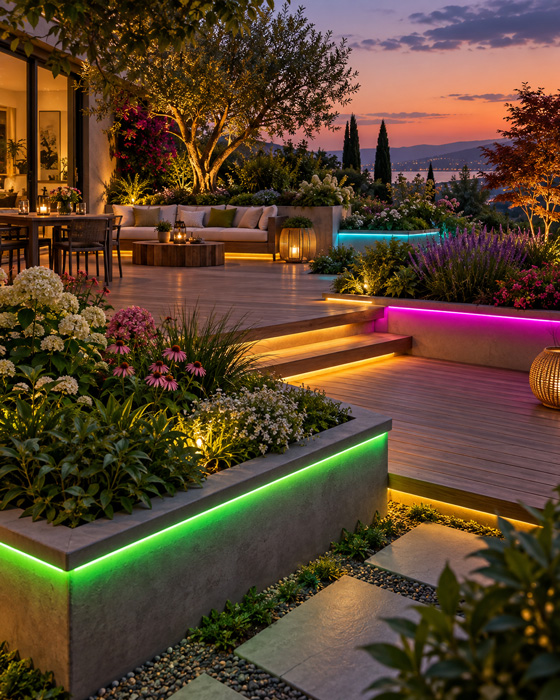
3. Create a Colorful Garden Border with LED Strip Lighting
LED strip lights are a flexible option for adding colorful accents around garden borders, flower beds, fences, and raised planting areas.
Water-resistant outdoor LED strips can define spaces and create a modern landscape appearance around patios, decks, and garden structures.
Smart controls allow homeowners to select colors for relaxing evenings or more energetic outdoor gatherings.
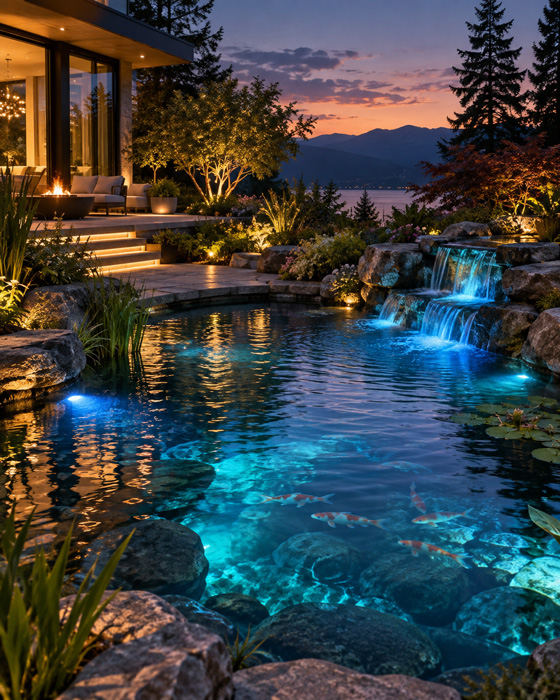
4. Add Color Changing Lights Around Water Features
Water features such as ponds, fountains, and waterfalls naturally reflect light, making them ideal locations for color changing illumination.
Submerged LED lights create beautiful effects by reflecting colors across moving water surfaces. Blue and turquoise tones create a peaceful feeling, while purple and red shades create a dramatic appearance.
Always choose products designed for outdoor and water-safe environments.
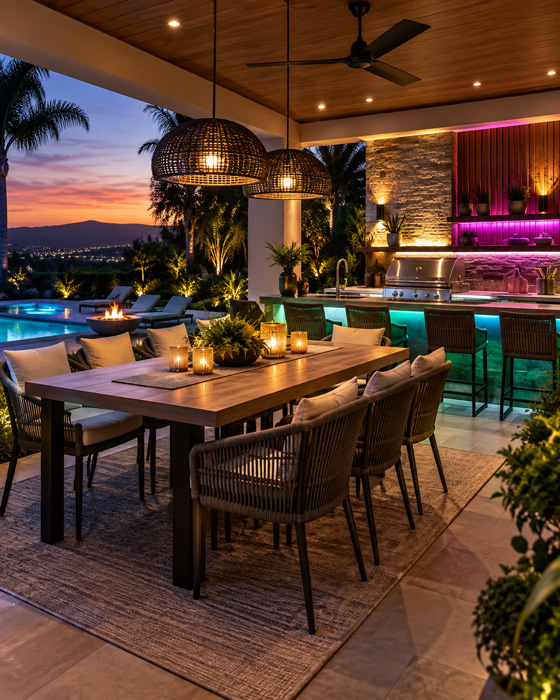
5. Design a Color Changing Patio or Outdoor Living Area
Outdoor seating areas are often the center of garden activities. Adding color changing lights around patios, pergolas, or outdoor kitchens can improve both comfort and appearance.
Wall-mounted smart lights, ceiling lights, or hidden LED strips provide adjustable lighting for dining, relaxation, and entertainment.
Warm white lighting works well for everyday use, while colorful settings enhance celebrations and seasonal decorations.
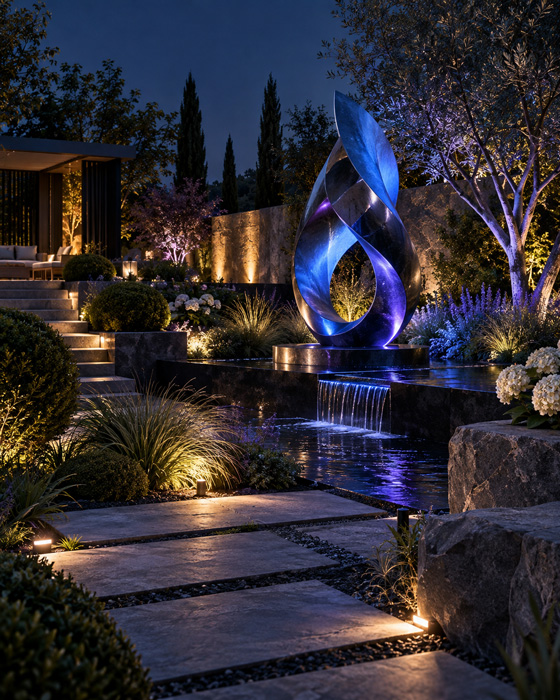
6. Use Color Changing Spotlights to Showcase Garden Features
Color changing spotlights can highlight sculptures, fountains, decorative rocks, and architectural details.
Different colors can completely change the appearance of a feature. Cool colors create a modern look, while warm tones enhance stone and wood textures.
Adjustable spotlights provide flexibility as garden designs change over time.
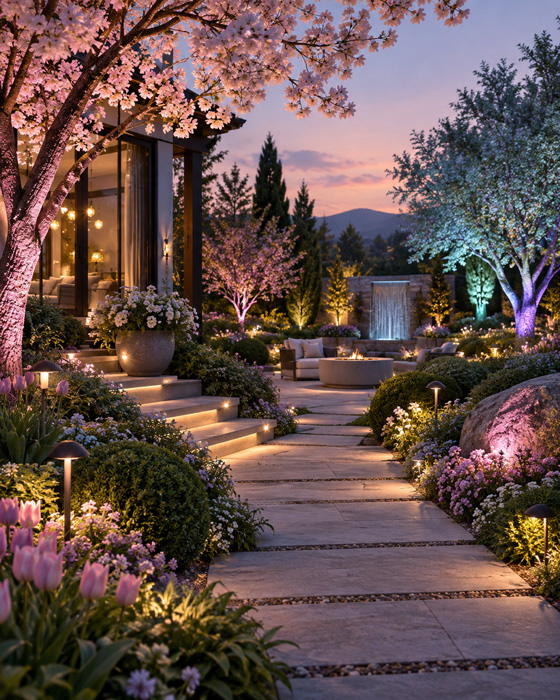
7. Create Seasonal Garden Lighting Themes
Color changing outdoor lights make it easy to update garden decorations for different seasons and holidays.
Green and red lighting can create a festive holiday atmosphere, orange tones can complement autumn landscapes, and soft pastel colors can enhance spring gardens.
Programmable lighting allows different themes without replacing fixtures.
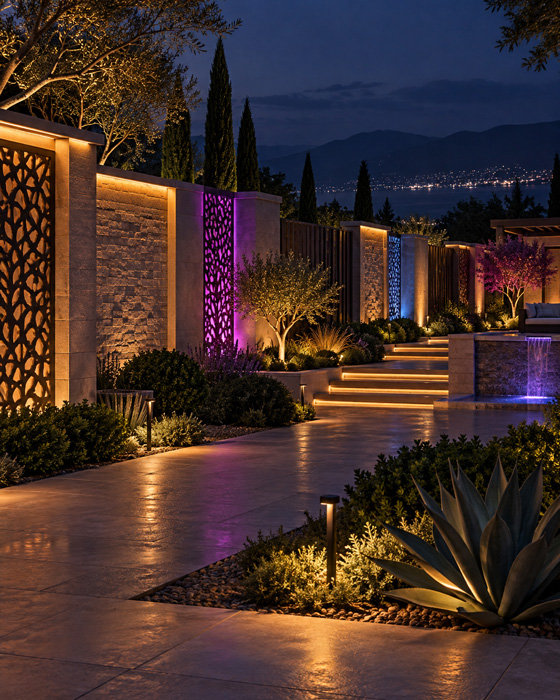
8. Add Color Changing Lights to Garden Walls and Fences
Garden walls, fences, and privacy screens can become attractive background features with the right lighting design.
Installing color changing lights along fences or behind decorative panels can add depth and make the garden feel larger at night.
Indirect lighting creates a soft glow without producing harsh brightness.
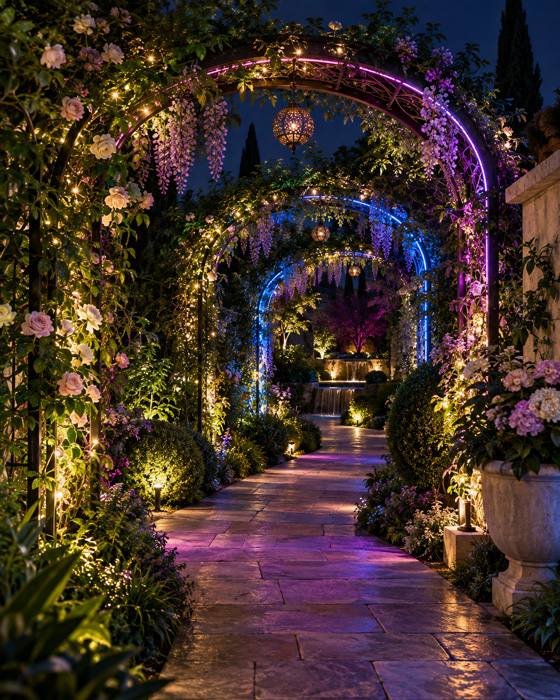
9. Decorate Garden Arches and Pergolas with Color Changing Lights
Garden arches, pergolas, and climbing plant structures can become stunning nighttime features when decorated with color changing outdoor lights. These structures naturally create vertical spaces in a garden, making them ideal for adding decorative illumination.
Install flexible LED strip lights along the edges of arches, wrap small color changing string lights around pergola beams, or place hidden spotlights to highlight climbing plants such as roses, ivy, and jasmine. The changing colors can enhance the shape of the structure while creating a magical garden atmosphere.
Green and warm white lighting can emphasize natural plants, while purple, blue, or multicolor effects can create a more artistic appearance. This lighting idea works especially well for entrance areas, garden walkways, and romantic outdoor landscapes.
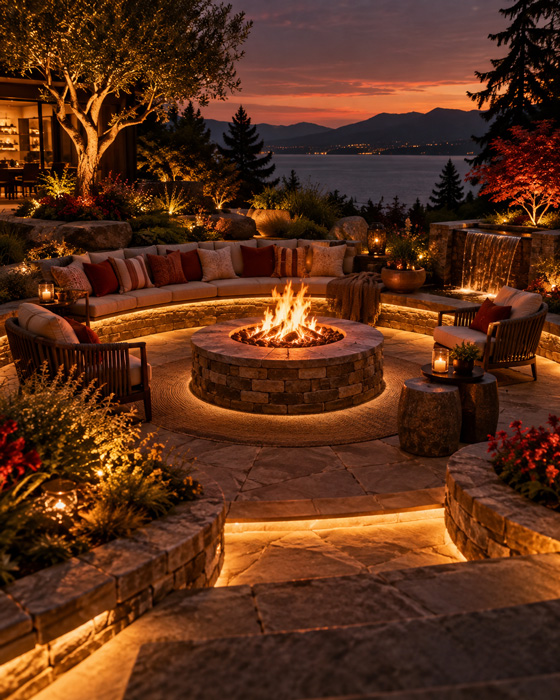
10. Create a Color Changing Fire Pit Area for Evening Gatherings
A fire pit area can become a unique garden attraction with the addition of color changing outdoor lighting. Instead of relying only on the natural glow of a fire, surrounding lights can enhance the atmosphere and make the space more inviting after dark.
Install waterproof LED lights around the seating circle, place low-profile lights beneath stone borders, or illuminate nearby plants and decorative elements with adjustable colors. The lighting can complement the warm tones of the fire while adding a modern landscape effect.
For a cozy evening setting, choose warm amber or soft red tones. For a more contemporary outdoor design, blue or purple lighting can create a stylish contrast with natural flames.
Tips for Choosing Color Changing Outdoor Garden Lights
When selecting color changing garden lighting, consider several important factors:
- Choose weather-resistant products: Outdoor lights should have suitable protection against rain, moisture, and temperature changes.
- Use energy-efficient LEDs: LED lights consume less power, last longer, and provide more color options than traditional bulbs.
- Consider smart features: App control, timers, and automation can make outdoor lighting easier to manage.
- Plan the lighting layout first: Proper placement is more important than using a large number of lights. Focus on key areas and avoid excessive brightness.
- Match lighting with garden style: Modern gardens may benefit from bold colors and clean lighting lines, while natural gardens often look better with softer and warmer tones.
FAQs
Are color changing outdoor lights suitable for all types of gardens?
Yes, color changing outdoor lights can be used in many garden styles, including modern landscapes, traditional gardens, small backyard spaces, and large outdoor areas.
The key is selecting colors and fixtures that match the overall garden design. Soft white and natural tones work well for plant-focused spaces, while dynamic colors can enhance decorative and contemporary landscapes.
How long do color changing LED outdoor lights usually last?
Most high-quality color changing LED outdoor lights can last between 30,000 and 50,000 hours, depending on product quality, weather exposure, and maintenance conditions.
LED technology is widely used for garden lighting because it offers lower energy consumption and longer service life compared with traditional bulbs.
Can color changing garden lights work in rainy and cold weather?
Yes, many outdoor color changing lights are designed to operate in different weather conditions.
When selecting garden lighting, check the waterproof rating, such as IP65 or higher, to ensure better protection against rain, moisture, and outdoor exposure. Proper installation also improves long-term reliability.
Do color changing outdoor lights attract more insects than regular garden lights?
The effect depends on the light spectrum, color selection, and brightness level.
Some wavelengths may attract more insects than others, while warmer tones generally attract fewer insects compared with bright cool-colored lighting. Adjustable brightness and careful fixture placement can help reduce unwanted insect activity.
How can color changing garden lights improve the appearance of a small garden?
Color changing lights can add depth and visual interest to small gardens by highlighting plants, pathways, walls, and architectural features.
Placing lights behind foliage, along garden edges, or near vertical surfaces can create layered effects and allow homeowners to change the outdoor atmosphere without major landscaping changes.
