
Warm White Light Is One of the Best Choices for Reducing Bugs
Amber and Yellow Lights Attract Fewer Insects
Avoid Cool White, Blue, and UV-Rich Lighting
LED Lights With Low UV Output Are a Better Outdoor Option
Choose Proper Outdoor Fixtures and Placement
Best Light Colors for Bug-Friendly Outdoor Spaces
FAQs
Outdoor lighting creates a comfortable atmosphere for gardens, patios, pathways, and outdoor living spaces, but the wrong type of light can quickly turn a relaxing evening into a gathering place for insects. Many flying bugs are sensitive to certain wavelengths of light, especially shorter wavelengths such as blue and ultraviolet light. Choosing the right lighting color and technology can help reduce the number of insects around your outdoor areas while maintaining a pleasant nighttime environment.
Warm White Light Is One of the Best Choices for Reducing Bugs
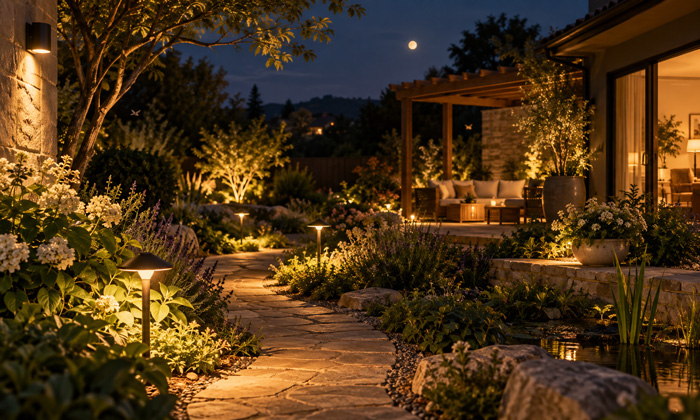
Warm white light is generally considered one of the most insect-friendly outdoor lighting options. Lights with a lower color temperature, usually around 2200K to 3000K, produce a soft yellowish glow with less blue spectrum compared with cool white lighting. Since many insects are more attracted to blue and ultraviolet wavelengths, warm tones are less likely to create a strong attraction.
For gardens, pathways, and outdoor seating areas, warm white LED lights provide enough brightness for visibility while creating a comfortable atmosphere. They also blend naturally with plants and outdoor landscapes, making them a practical choice for residential lighting designs.
When choosing outdoor lighting, the color of the light plays an important role in how gardens, plants, and surrounding features look at night. A suitable balance between warmth and color accuracy helps create a more natural outdoor atmosphere, with factors such as CCT and CRI influencing the way light appears and how outdoor spaces are presented.
Amber and Yellow Lights Attract Fewer Insects
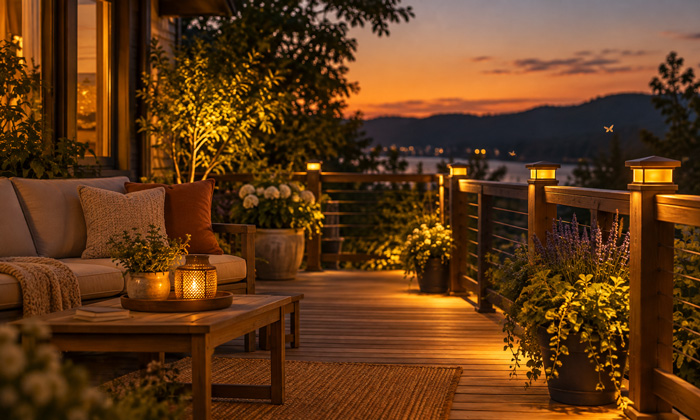
Amber and yellow lighting are popular choices for areas where reducing insects is a priority. These colors have longer wavelengths and are less visible to many flying insects compared with bright white or blue-toned lights. Traditional “bug lights” often use yellow hues for this reason, and modern LED technology has made it possible to achieve similar effects with more energy-efficient solutions.
Amber lighting works particularly well for outdoor spaces such as balconies, garden paths, decks, and entertainment areas. It creates a warm and inviting appearance while helping minimize the amount of insect activity around the light source.
However, no outdoor light can completely prevent all bugs from appearing. Different insect species respond differently to light, and factors such as nearby vegetation, moisture, and food sources can also influence insect activity.
Avoid Cool White, Blue, and UV-Rich Lighting
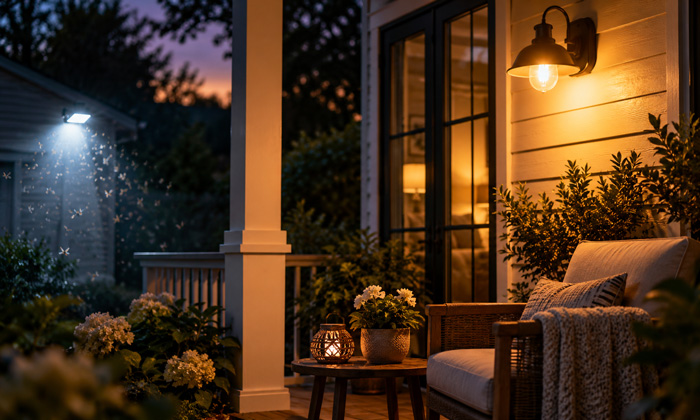
Cool white and daylight-colored lights are more likely to attract insects because they contain higher amounts of blue-spectrum light. These lights often have color temperatures above 4000K and produce a brighter, sharper appearance that resembles natural daylight. Many insects are particularly sensitive to these wavelengths, making cool-toned lighting a common reason for increased bug activity around outdoor fixtures.
Blue and ultraviolet lights are especially attractive to many nocturnal insects. This is why UV-based insect traps are effective at drawing flying insects toward a light source. For outdoor decorative lighting, security lighting, and garden illumination, avoiding unnecessary UV output and strong blue tones can help create a more insect-friendly environment.
LED Lights With Low UV Output Are a Better Outdoor Option
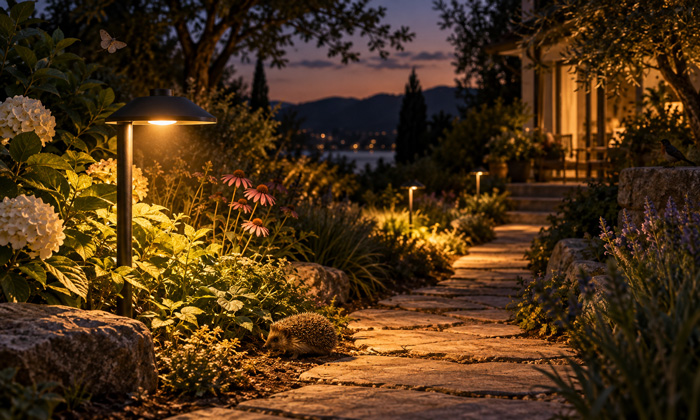
LED lighting is often a better choice than traditional bulbs for outdoor applications because many LED fixtures produce very little ultraviolet radiation and offer greater control over color temperature. A warm LED with a low color temperature can provide efficient illumination without creating the same level of attraction as cooler light sources.
Besides color selection, outdoor lighting design also matters. Bright lights that spread widely or point upward can affect surrounding wildlife and increase unnecessary light exposure. The relationship between garden lighting and the natural environment is closely connected to how artificial light interacts with outdoor ecosystems, as factors such as brightness, timing, and light direction can influence plants and animals in outdoor spaces.
Choose Proper Outdoor Fixtures and Placement
The type of fixture and installation method can also influence insect presence. Lights that are directed downward reduce unnecessary illumination of the surrounding area, while shielded fixtures prevent excessive light spill. Using only the brightness needed for a specific space can reduce the chance of creating a strong attraction point for insects.
For outdoor garden lights, durability is another factor because fixtures exposed to rain and humidity need reliable protection. A suitable waterproof rating helps maintain long-term performance, especially for outdoor fixtures designed to withstand changing weather conditions. Ratings such as IP65 are commonly used to describe the level of protection provided against dust and water exposure.
Best Light Colors for Bug-Friendly Outdoor Spaces
For homeowners looking to reduce insects around outdoor lighting, the most suitable choices include:
- Warm white LED (2200K–3000K): Provides comfortable illumination with lower insect attraction.
- Amber light: Offers a soft golden glow and is less appealing to many flying insects.
- Yellow light: A traditional option for reducing bug activity around outdoor areas.
- Low-UV LED lighting: Helps limit wavelengths that commonly attract insects.
The least suitable options are usually cool white, daylight white, blue, and ultraviolet lighting, especially in areas where people spend time outdoors at night.
Choosing the right type of light does not mean sacrificing style or visibility. Modern outdoor LED solutions allow homeowners to create beautiful gardens, pathways, and patios while reducing unnecessary insect attraction. A warm, carefully designed lighting system can improve outdoor comfort and maintain a more balanced nighttime environment.
FAQs
Do LED lights attract more bugs than traditional outdoor lights?
Most LED lights attract fewer bugs than traditional lighting options because they usually produce little to no ultraviolet light.
However, the color temperature of LED lights also affects insect attraction, with cooler white LEDs generally being more attractive than warm-toned LEDs.
What color outdoor light is least attractive to mosquitoes and flying insects?
Amber and warm yellow lights are among the least attractive options for many flying insects.
Their longer wavelengths are less visible to insects compared with blue or cool white light, making them suitable for outdoor areas where reducing bug activity is preferred.
Does light brightness affect how many bugs gather around outdoor fixtures?
Yes, brighter lights can create a stronger attraction point for some insects, especially when the light spreads widely into surrounding areas.
Using appropriate brightness and directing light only where needed can help reduce unnecessary insect activity.
Are solar garden lights more likely to attract bugs at night?
Solar garden lights do not automatically attract more bugs, but their effect depends on the type of LED used.
Solar lights with warm color temperatures and low UV output are generally less likely to attract insects compared with cool white solar lighting.
Can outdoor lighting placement help prevent insect problems?
Yes, the location of outdoor lights can influence insect activity.
Installing lights away from doors, seating areas, and dense vegetation while using downward-facing fixtures can reduce the number of insects gathering near frequently used spaces.
