
Recommended Patio Lumens by Size
Calculate the Lumens for Your Patio
Lumens for Different Patio Areas
Choose the Right Color Temperature
Avoid Overlighting the Patio
FAQs
The right amount of patio lighting depends on the patio’s size, purpose, fixture placement, and desired atmosphere. As a practical starting point, most patios need 10 to 20 lumens per square foot for comfortable general lighting.
For example, a 200-square-foot patio usually requires between 2,000 and 4,000 total lumens. This light should come from several fixtures rather than one extremely bright lamp. Distributing the light creates a more balanced appearance and reduces glare and harsh shadows.
Recommended Patio Lumens by Size
| Patio Size | Soft Ambient Lighting | Standard General Lighting | Bright Functional Lighting |
|---|---|---|---|
| 50 sq. ft. | 500 lumens | 750–1,000 lumens | 1,500–2,500 lumens |
| 100 sq. ft. | 1,000 lumens | 1,500–2,000 lumens | 3,000–5,000 lumens |
| 150 sq. ft. | 1,500 lumens | 2,250–3,000 lumens | 4,500–7,500 lumens |
| 200 sq. ft. | 2,000 lumens | 3,000–4,000 lumens | 6,000–10,000 lumens |
| 300 sq. ft. | 3,000 lumens | 4,500–6,000 lumens | 9,000–15,000 lumens |
| 500 sq. ft. | 5,000 lumens | 7,500–10,000 lumens | 15,000–25,000 lumens |
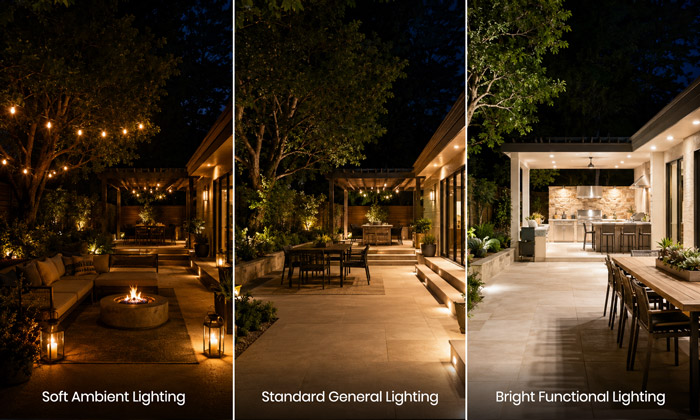
Soft ambient lighting is suitable for relaxing or casual conversation. Standard lighting works well for most multipurpose patios. Bright functional lighting is better for outdoor kitchens, food preparation, games, and detailed tasks.
Calculate the Lumens for Your Patio
Use this simple formula:
Patio area in square feet × desired lumens per square foot = total lumens required
Recommended brightness levels include:
- 5–10 lumens per square foot: Decorative or atmospheric lighting
- 10–20 lumens per square foot: General patio lighting
- 20–30 lumens per square foot: Dining and entertainment areas
- 30–50 lumens per square foot: Outdoor kitchens and work surfaces
A 12-by-15-foot patio has an area of 180 square feet. At 15 lumens per square foot, it would need approximately:
180 × 15 = 2,700 lumens
This total could be divided among wall lights, string lights, step lights, and landscape fixtures.
Lumens for Different Patio Areas
A patio rarely needs the same brightness everywhere. Using layers of light provides better visibility and a more comfortable atmosphere.
Seating Areas
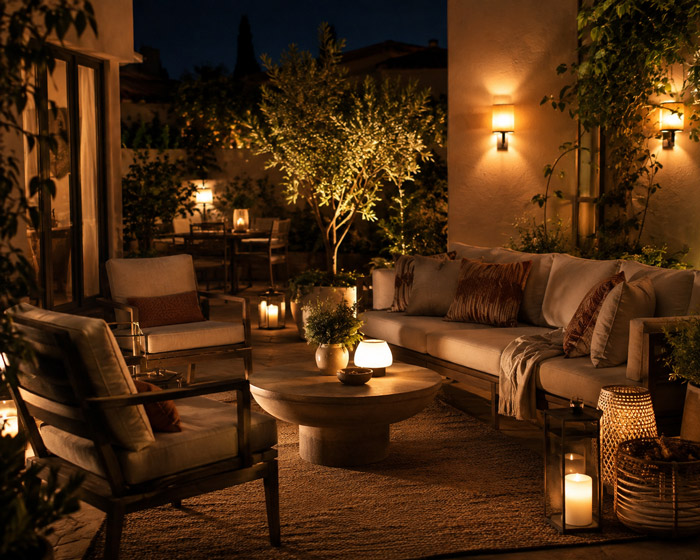
Seating areas generally need soft, warm lighting. About 100 to 300 lumens per fixture is usually enough for wall sconces, table lamps, or decorative lanterns. Multiple low-output fixtures are preferable to one powerful overhead light.
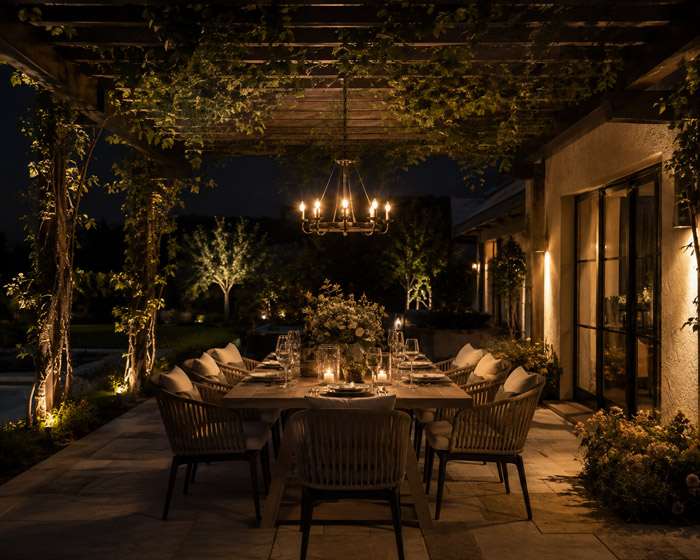
Outdoor Dining Areas
A dining table should receive approximately 500 to 1,500 lumens, depending on its size and the mounting height of the fixture. A dimmable pendant or chandelier allows the brightness to be adjusted for dining, entertaining, or cleaning.
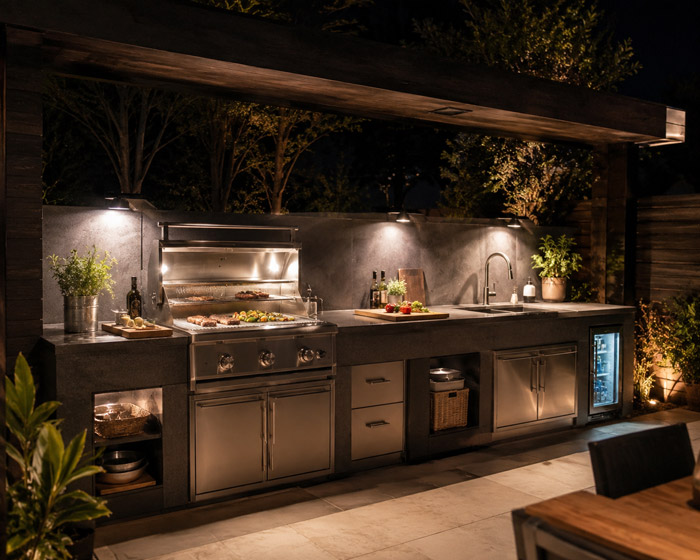
Outdoor Kitchens
Cooking and food-preparation surfaces require brighter, more focused light. Plan for approximately 500 to 1,000 lumens over each main work area. Grill stations, countertops, sinks, and serving areas should have dedicated task lighting.
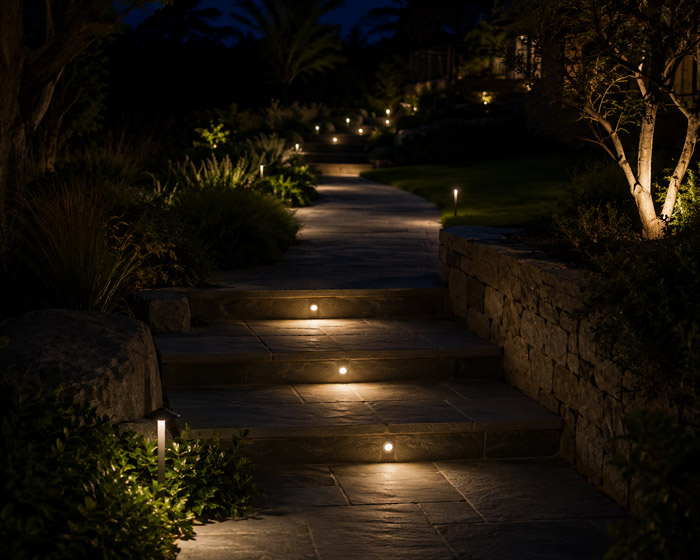
Steps and Pathways
Step and pathway lights usually produce 50 to 200 lumens each. Their purpose is to identify changes in elevation and define walking routes, not to illuminate the entire patio.
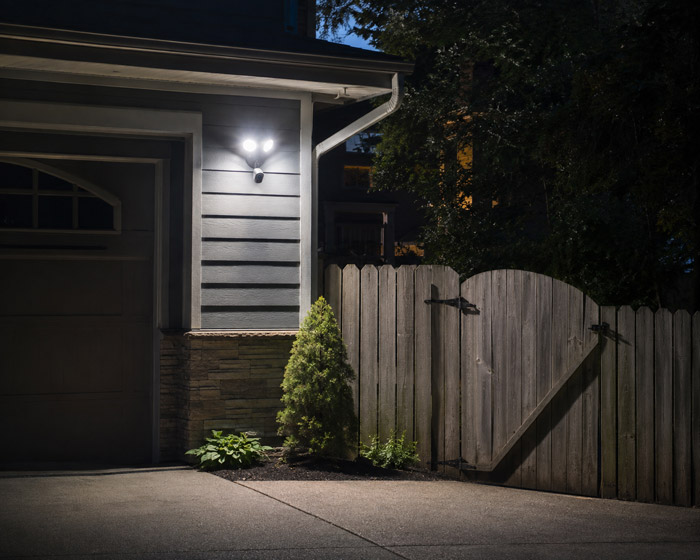
Security Lighting
Motion-activated security lights commonly produce 700 to 2,000 lumens per fixture. Fixtures above 2,000 lumens may be appropriate for large yards or driveways, but they can feel excessively bright on a small patio.
Choose the Right Color Temperature
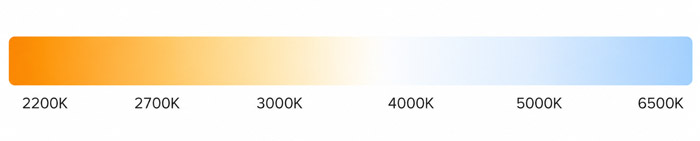
Lumens measure brightness, while color temperature determines how warm or cool the light appears.
For most residential patios, 2,200K to 3,000K creates a warm and comfortable atmosphere. A color temperature of 3,000K to 4,000K is more suitable for outdoor kitchens and task areas. Very cool lighting above 5,000K can appear harsh in a relaxing patio environment.
Avoid Overlighting the Patio
More lumens do not always produce better lighting. Excessive brightness can create glare, disturb neighbors, attract more insects, and reduce the patio’s visual appeal.
Use shielded fixtures that direct light downward, and avoid placing high-output bulbs directly at eye level. Dimmers, smart controls, and separate lighting zones make it easier to adjust the brightness for different activities.
FAQs
How many watts should an LED patio light use?
LED wattage varies by efficiency, so lumens are a more reliable measurement than watts.
As a general reference, an 800-lumen LED bulb typically uses 8 to 12 watts, while a 1,600-lumen bulb commonly uses 14 to 20 watts.
What IP rating is best for patio lighting?
Covered patio fixtures should generally have a rating of at least IP44.
Lights exposed directly to rain, sprinklers, or dust should use IP65-rated fixtures or higher for better protection against moisture and outdoor conditions.
How far apart should patio lights be installed?
Wall lights are commonly spaced 8 to 12 feet apart, while recessed ceiling lights are often positioned 6 to 8 feet apart.
The ideal distance depends on fixture output, mounting height, beam angle, and the amount of overlap required.
Is low-voltage lighting suitable for a patio?
Yes. A 12-volt lighting system is widely used for patios, pathways, steps, and landscaping because it is energy-efficient and easier to install safely outdoors.
A compatible transformer is required to convert household voltage.
What CRI is recommended for outdoor patio lights?
Choose patio lights with a Color Rendering Index of at least 80.
A CRI of 90 or higher provides more accurate colors, making food, furniture, plants, and decorative surfaces appear more natural at night.
See also: What Are CCT and CRI in Garden Lights?
