
1. Layered Lighting: The Foundation of a Modern Entrance
2. Nature-Inspired Design with Garden Lighting
3. Sustainable and Energy-Efficient Choices
4. Smart Lighting for Personalized Curb Appeal
5. Minimalist Elegance with Architectural Accents
6. Creating Emotional Impact Through Light
7. Seasonal Flexibility and Long-Term Value
Conclusion
FAQs
In 2026, front door entrance lighting is no longer just a practical necessity—it has become a defining element of curb appeal and outdoor lifestyle design. As homeowners place greater emphasis on exterior aesthetics, sustainability, and smart technology, the way we illuminate entrances is evolving rapidly. Thoughtful lighting around the front door creates a welcoming atmosphere, improves safety, and highlights architectural and landscape features that might otherwise go unnoticed after sunset.
For brands and websites focused on garden lighting, the front entrance represents a perfect intersection between landscape design and architectural expression. Below are professional, forward-looking ideas to help homeowners and designers create visually striking, functional, and future-ready front door lighting schemes.
1. Layered Lighting: The Foundation of a Modern Entrance
The most important principle of front door lighting in 2026 is layering. A single light source is rarely sufficient to create depth, comfort, and visual balance. Instead, designers combine multiple lighting layers to achieve both beauty and performance.
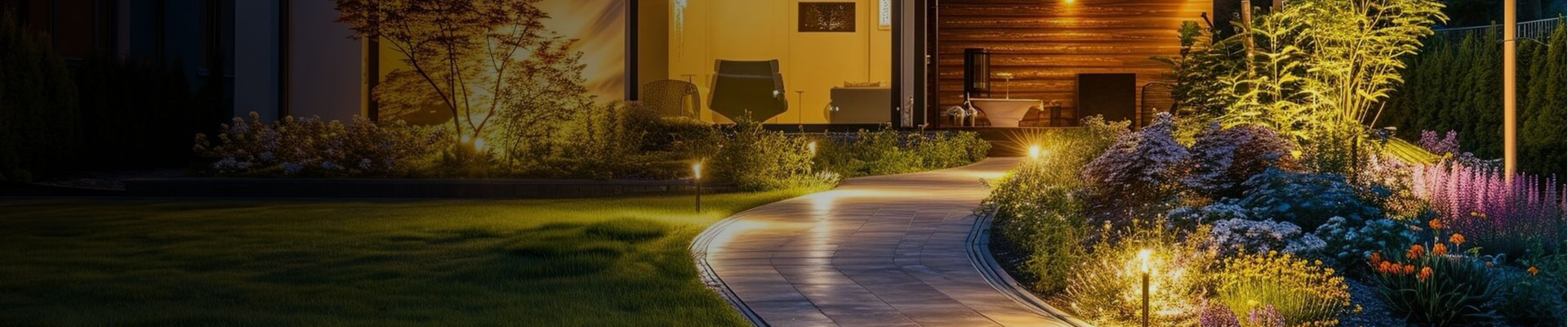
Garden lights play a central role in this approach. Low-level pathway lights guide visitors toward the entrance while defining walkways and planting borders. Soft, evenly spaced lights prevent harsh shadows and make the approach feel calm and intentional. When combined with subtle uplighting for trees, shrubs, or architectural columns, the entire entrance area gains dimension and character.
This layered strategy ensures the front door stands out without feeling isolated from its surrounding landscape.
2. Nature-Inspired Design with Garden Lighting
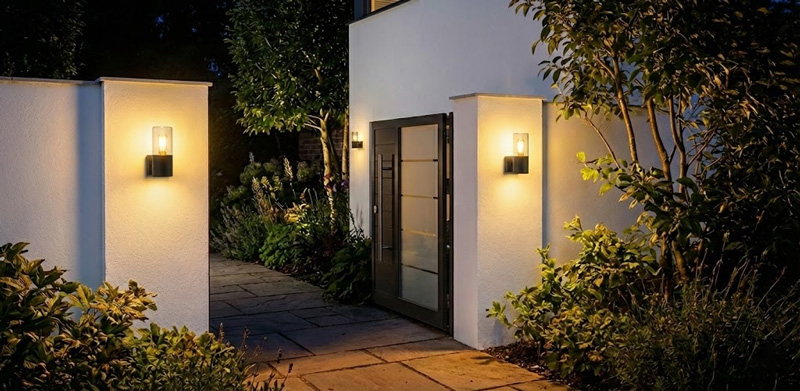
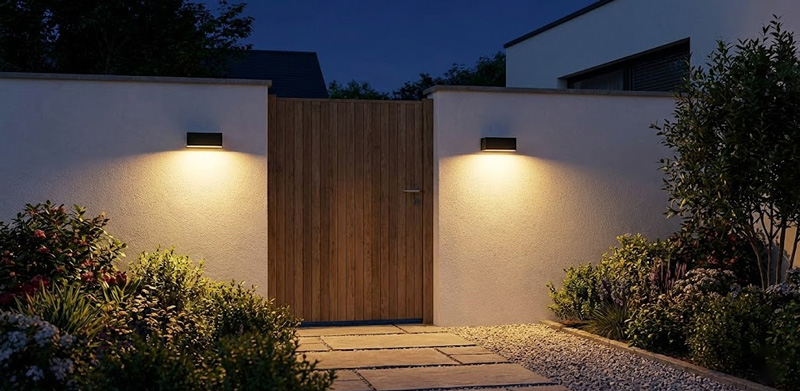
Figure 1. Lumetro LM-W21001 Model
In 2026, outdoor lighting trends continue to move closer to nature. Homeowners are choosing garden lights with organic shapes, warm color temperatures, and finishes that blend seamlessly into greenery.
Instead of overly bright white light, warm tones between 2700K and 3000K dominate front entrances. These hues complement natural materials such as wood, stone, and concrete, creating a welcoming glow rather than a stark spotlight effect.
Garden lights installed near ornamental grasses, flower beds, or small trees can subtly highlight textures and seasonal changes. This approach enhances curb appeal year-round while keeping the entrance visually soft and inviting.
3. Sustainable and Energy-Efficient Choices
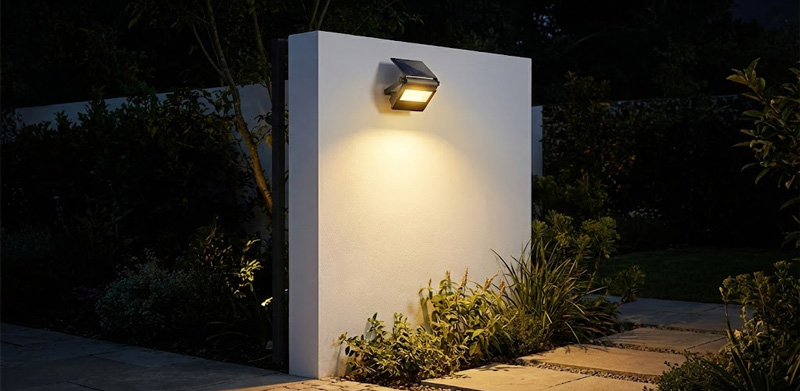
Figure 2. Lumetro LM-SP04 Model
Sustainability is no longer optional in 2026—it is expected. Front door lighting increasingly relies on energy-efficient garden lights that reduce power consumption without sacrificing visual impact.
Solar-powered garden lights are especially popular for entrance pathways and borders. Modern solar technology offers improved battery life, consistent brightness, and sleek designs that rival wired systems. For homeowners who prefer wired solutions, low-voltage LED garden lights provide excellent efficiency and long-term reliability.
Motion sensors and smart timers further reduce unnecessary energy use. Lights can remain dim during low-traffic hours and gently brighten when someone approaches the door, combining eco-consciousness with convenience.
4. Smart Lighting for Personalized Curb Appeal
Smart outdoor lighting has matured significantly by 2026, offering homeowners unprecedented control over their front door experience. Garden lighting systems can now be programmed through apps or integrated into broader smart home ecosystems.
With smart controls, homeowners can adjust brightness levels, color temperatures, and schedules based on seasons, events, or personal preference. For example, garden lights can shift to warmer tones during winter evenings or slightly brighter settings during social gatherings.
This flexibility allows the entrance to reflect lifestyle changes without physical modifications, making smart garden lighting a future-proof investment.
5. Minimalist Elegance with Architectural Accents
While garden lights form the visual foundation of most entrance designs, architectural lighting elements add clarity and definition. Clean lines, restrained brightness, and intentional placement characterize the minimalist aesthetic popular in 2026.
Subtle hanging or wall-mounted garden lights near the front door can complement landscape lighting without overpowering it. These fixtures are best used sparingly, serving as visual anchors rather than focal points. When coordinated with garden lights below, they create a seamless transition from landscape to architecture.
The key is balance: architectural lighting should support the overall scene, not compete with it.
6. Creating Emotional Impact Through Light
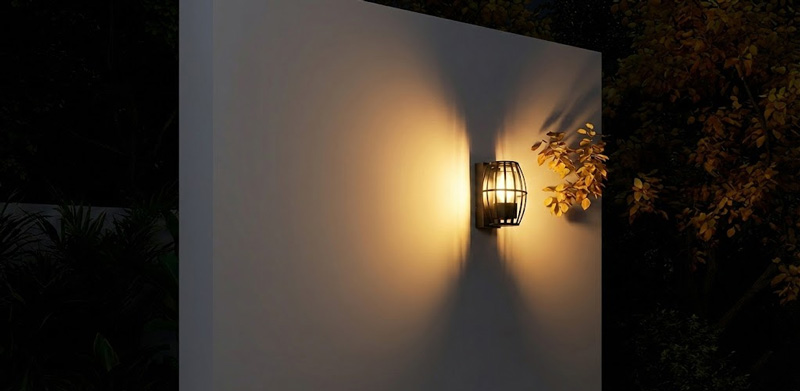
Figure 3. Lumetro LM-W02127 Model
Great entrance lighting is not only seen—it is felt. In 2026, designers focus on emotional comfort as much as visual appeal. Soft garden lighting around the front door creates a sense of arrival, safety, and warmth that resonates with both residents and guests.
Gradual transitions from darker surroundings to softly illuminated entrance zones reduce visual fatigue and enhance nighttime comfort. This is particularly effective when garden lights are positioned to gently frame the door rather than shine directly at it.
The result is an entrance that feels calm, confident, and welcoming—qualities that strongly influence first impressions.
7. Seasonal Flexibility and Long-Term Value
Another emerging trend is adaptability. Garden lighting designs in 2026 are created with long-term use and seasonal changes in mind. Adjustable fixtures, modular layouts, and expandable systems allow homeowners to evolve their entrance lighting over time.
As plants grow or landscaping changes, garden lights can be repositioned to maintain visual balance. This flexibility ensures that the front door remains attractive year after year, increasing both aesthetic and property value.
Conclusion
Front door entrance lighting in 2026 is defined by thoughtful design, sustainable technology, and emotional resonance. Garden lights, in particular, are at the heart of this evolution—shaping pathways, enhancing landscapes, and setting the tone for the home before the door is even opened.
By combining layered garden lighting, energy-efficient solutions, and subtle architectural accents, homeowners can create entrances that are not only visually impressive but also timeless and responsible. A well-lit front door is no longer just an exterior detail—it is a statement of style, care, and modern living.
FAQs
How do garden lights influence the perceived scale of a front entrance?
Garden lights help visually balance the scale of a front entrance by guiding the eye horizontally along pathways, planting edges, and approach lines.
Consistent spacing and controlled brightness prevent the entrance from feeling too narrow, too tall, or visually disconnected from the front yard.
Good light distribution allows the door to feel proportionate to the surrounding landscape and architecture.
What lighting considerations are important for homes with recessed or shaded front doors?
Recessed or deeply shaded entrances benefit most from indirect illumination.
Garden lights placed in nearby planting beds or along approach paths can reflect light toward the doorway, reducing dark pockets without creating glare.
This improves visibility while maintaining a soft, welcoming atmosphere.
How can front entrance lighting reduce light pollution without sacrificing curb appeal?
Shielded fixtures with downward-facing optics are essential for controlling light spill.
Using lower lumen outputs, warm color temperatures, and precise aiming keeps light focused on walkways and landscape features.
This approach maintains safety and visual interest while minimizing disturbance to neighbors and the night sky.
Are garden lights suitable for highlighting modern architectural entrances?
Yes. Garden lights work very well for modern entrances when used with clean layouts and restrained brightness.
Minimalist or linear fixtures can echo architectural lines and materials.
Lighting surrounding elements rather than the door itself creates contrast that naturally draws attention to the entrance.
How does entrance lighting affect long-term maintenance planning?
Thoughtful lighting layouts reduce maintenance by avoiding over-illumination and heat buildup near plants and building materials.
Durable fixtures, accessible placement, and standardized components simplify future adjustments and replacements.
Well-planned entrance lighting supports long-term visual consistency and lower upkeep costs.