


Understanding Why LED Lights Need Special Dimming Methods
Method 1: Use Adjustable LED Fixtures or Built-In LED Controls
Method 2: Replace Existing Bulbs With Dimmable LED Bulbs
Method 3: Use Sensor-Based LED Lighting Systems
Method 4: Install a Remote-Control LED System
Method 5: Use a Plug-In LED Dimmer Adapter
Method 6: Use Smart Plugs for Compatible LED Lamps
Choosing the Right Method Based on Your Lighting Setup
Common Problems When Dimming LED Lights Without a Dimmer Switch
Benefits of Dimming LED Lights Without Installing a Wall Dimmer
Factors to Consider Before Choosing a Solution
FAQs
LED lighting has become a widely used lighting solution for homes, offices, workshops, commercial spaces, and outdoor environments because of its energy efficiency, long lifespan, and flexible design options. From indoor to outdoor lighting applications, LEDs offer efficient and reliable illumination while helping reduce energy consumption. However, many users find that their LED lights are either brighter than expected or difficult to adjust after installation, especially when the existing setup does not include a traditional dimmer switch.
A common question among homeowners and renters is: how can LED lights be dimmed without installing a dimmer switch? The answer depends on the type of LED product, the power source, and the level of brightness control required. Instead of changing the electrical wiring, users can choose alternative solutions such as smart LED bulbs, remote-controlled systems, compatible controllers, or adjustable LED accessories. These options allow users to create more comfortable lighting conditions for different environments, including living areas, workspaces, gardens, patios, and landscape settings.
Before selecting a dimming solution, it is important to understand how LED brightness control works. Unlike traditional incandescent bulbs, LEDs cannot be dimmed effectively by simply reducing voltage. Their brightness is controlled by electronic drivers and control systems that regulate the current supplied to the LEDs. Using an incompatible dimming method may result in flickering, buzzing noises, limited brightness adjustment, or reduced performance. Choosing the correct control method ensures smooth and reliable operation for both indoor and outdoor LED lighting applications.
Understanding Why LED Lights Need Special Dimming Methods
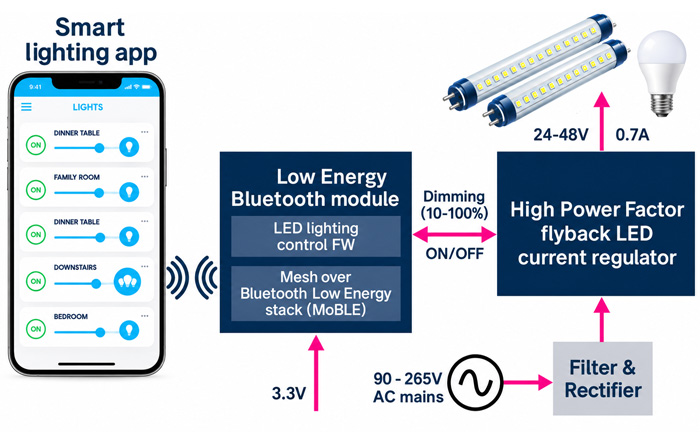
Block diagram of a BLE-enabled smart lighting system, consisting of a mobile control application, Bluetooth Low Energy module, and high power factor flyback LED driver for dimmable LED illumination.
LED lights operate differently from older lighting technologies. An incandescent bulb produces light by heating a filament, so reducing electrical power naturally reduces brightness. LEDs, however, use semiconductor components that require a controlled electrical current. The LED driver inside the light regulates this current to maintain stable performance.
Because of this difference, simply lowering the voltage does not always create a smooth dimming effect. Some LED lights may remain at full brightness until the power drops below a certain level, while others may flicker or shut off completely.
The ability to dim an LED light depends on several factors:
- The LED bulb or fixture must be designed for dimming. Non-dimmable LEDs usually cannot be adjusted properly, even with advanced controls.
- The LED driver must support the type of dimming method being used, such as pulse-width modulation (PWM), smart control signals, or compatible electrical dimming systems.
- The control device must match the LED product specifications to ensure stable operation.
Many modern LED products are designed with alternative control options, allowing users to adjust brightness without changing the wall switch. These options provide flexibility, especially in situations where installing a traditional dimmer is inconvenient.
Method 1: Use Adjustable LED Fixtures or Built-In LED Controls
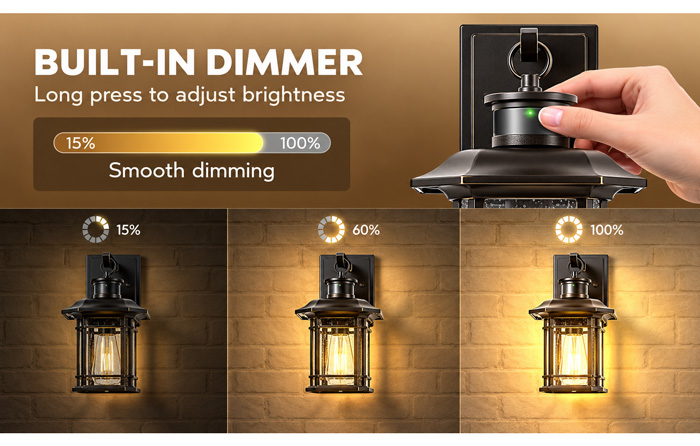
Some LED lighting fixtures available on the market are equipped with an integrated dimming function, which is triggered by a push button.
One of the easiest ways to dim LED lights without a dimmer switch is using LED fixtures with built-in brightness control features. Some LED fixtures are designed with integrated controllers or adjustable settings that allow users to change light intensity without installing a traditional wall dimmer.
These LED products may include built-in buttons, touch controls, wireless remotes, or dedicated controllers that provide direct brightness adjustment. Since the control system is already included in the fixture, no electrical modification is required, and the existing power switch can remain unchanged.
Adjustable LED fixtures are especially useful for areas where flexible lighting levels are needed, such as bedrooms, living spaces, offices, outdoor decorative lighting, and landscape applications.
The main advantages of adjustable LED fixtures include:
- Easy installation because no additional wall dimmer wiring is required.
- Direct brightness control through built-in settings or included accessories.
- Suitable for different applications, including indoor fixtures and outdoor LED installations.
- Provides a cleaner appearance by reducing the need for extra control devices.
However, adjustable LED fixtures also have some limitations. The available brightness range depends on the design of the fixture, and some models may offer fewer control options compared with advanced lighting systems. Users should check the product specifications carefully to ensure the fixture provides the desired level of dimming control.
For users who want a simple brightness adjustment solution without installing a separate dimmer switch, adjustable LED fixtures can be a practical option.
Method 2: Replace Existing Bulbs With Dimmable LED Bulbs
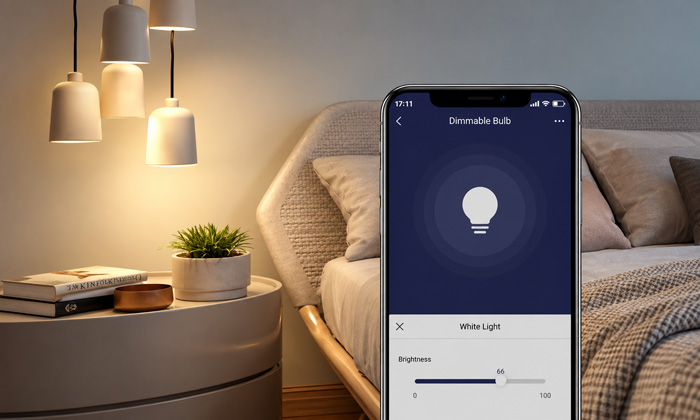
Another straightforward solution is replacing regular LED bulbs with dimmable LED versions. Many LED bulbs available today are specifically designed to work with adjustable brightness controls.
Although a traditional dimmer switch is often used with dimmable LEDs, some products include built-in adjustment features or can work with external control accessories without requiring a wall dimmer installation.
When selecting dimmable LED bulbs, check the product specifications carefully. Important details include compatibility with the intended control method, brightness range, and minimum power requirements.
Before replacing existing LED bulbs, it is important to understand the differences between common bulb types and their dimming capabilities. The following table highlights the key characteristics of each option:
| LED Bulb Type | Dimming Capability | Important Notes |
|---|---|---|
| Non-Dimmable LED Bulbs | Not designed for brightness adjustment | May cause flickering or unstable performance when used with dimming controls |
| Dimmable LED Bulbs | Designed for brightness adjustment | Require compatible dimming devices to achieve smooth brightness control |
| Smart LED Bulbs | Adjustable through wireless controls | Provide brightness adjustment through apps, remotes, or smart home systems |
Method 3: Use Sensor-Based LED Lighting Systems
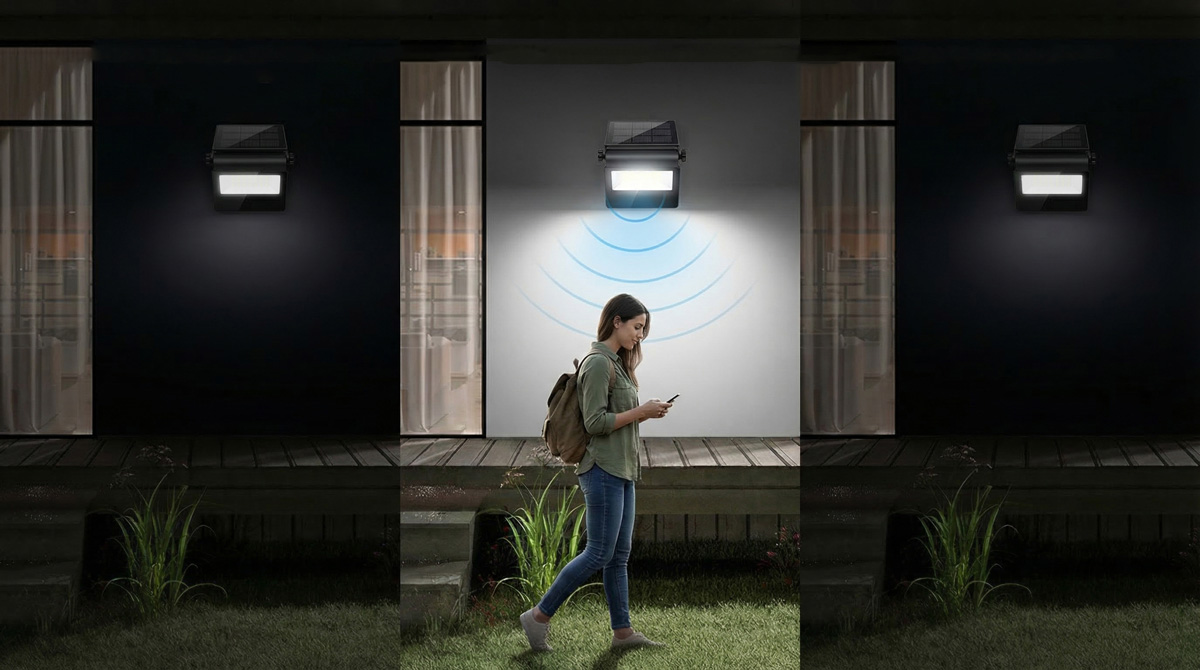
The Lumetro LM-SP04 solar light features motion sensor dimming, automatically adjusting brightness according to movement.
Another way to dim LED lights without a traditional dimmer switch is using LED lighting systems equipped with built-in sensors. These systems can automatically adjust brightness based on environmental conditions, movement, or user activity, reducing the need for manual brightness control.
Sensor-based LED lights commonly use technologies such as motion sensors, occupancy sensors, or daylight sensors to detect changes in the surrounding environment. For example, a daylight sensor can automatically reduce LED brightness when sufficient natural light is available, while a motion sensor can adjust lighting levels based on whether a space is occupied.
However, sensor-based LED systems also have some limitations. Their performance depends on the quality and sensitivity of the sensors, and improper installation or settings may result in delayed responses or unwanted brightness changes. Users should select sensor-equipped LED products that match the intended application and environment.
Method 4: Install a Remote-Control LED System
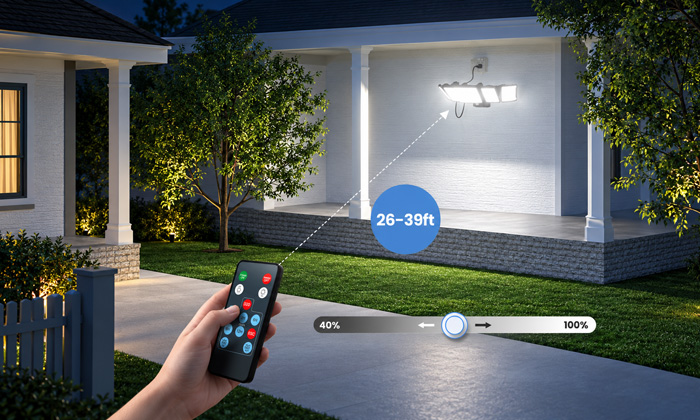
Some lights support remote brightness adjustment via a remote controller. Please note that the operating distance of the remote control may affect performance.
Remote-control LED systems provide another way to adjust brightness without replacing a wall switch. These systems usually include LED bulbs, LED strips, or fixtures with a separate remote receiver.
A remote controller communicates with the lighting system and allows users to increase or decrease brightness from a distance. This option is common for decorative lighting, ceiling fixtures, under-cabinet lighting, and bedroom lamps.
Remote-controlled LED systems are useful because they provide basic dimming functions without requiring internet access or complicated setup.
Important benefits include:
- Simple operation with a dedicated remote control.
- No need to modify electrical wiring.
- Suitable for users who want brightness adjustment but do not need advanced smart features.
- Often less expensive than fully connected smart lighting systems.
The main disadvantage is that remote systems usually provide fewer customization options. They may not support automation, voice control, or integration with other smart home devices.
Method 5: Use a Plug-In LED Dimmer Adapter
For LED lamps connected through standard electrical outlets, a plug-in dimmer adapter can be an effective solution. These devices connect between the wall outlet and the lamp, allowing users to control brightness with a built-in dial, button, or remote.
This method is particularly useful for floor lamps, desk lamps, bedside lamps, and other portable lighting fixtures.
Before purchasing a plug-in dimmer adapter, users should confirm that the lamp and LED bulb are compatible. Some adapters are designed specifically for LED loads, while others are intended for older lighting technologies.
The advantages of plug-in dimmer adapters include affordability and easy installation. The user simply connects the adapter without changing wiring or replacing the electrical switch.
However, this method does not work for ceiling-mounted fixtures connected directly to household wiring. It is mainly designed for portable lamps.
Method 6: Use Smart Plugs for Compatible LED Lamps
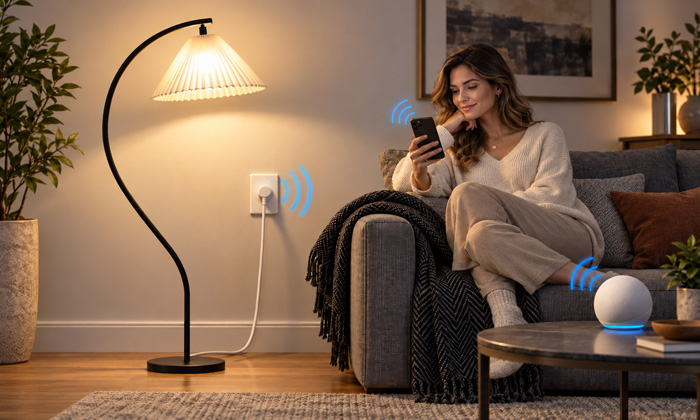
A smart plug can provide basic control for certain LED lamps. While a smart plug does not directly reduce LED brightness, it can control when the light receives power and can work together with some smart lighting systems.
For example, a user can schedule a lamp to turn on before arriving home or connect it with a home automation system.
Smart plugs are best suited for lamps rather than permanently installed fixtures. They are not a replacement for true LED dimming because they usually provide only power control rather than brightness adjustment.
Choosing the Right Method Based on Your Lighting Setup
The best way to dim LED lights without a dimmer switch depends on the type of light and the desired level of control.
- For ceiling bulbs in living areas, smart LED bulbs or compatible replacement bulbs are usually the simplest choices because they require minimal installation.
- For table lamps and floor lamps, plug-in dimmer adapters or smart plugs may provide convenient control without electrical work.
- For decorative lighting, LED strip controllers offer flexible brightness adjustment and additional effects.
- For users who want automation, smart lighting systems provide the greatest range of features.
Before purchasing any product, check the LED specifications. A product labeled “dimmable” does not automatically work with every control method. Compatibility between the LED driver and controller is essential.
Common Problems When Dimming LED Lights Without a Dimmer Switch
Although modern LED technology provides many alternatives, users may experience problems if components are not compatible.
Common issues include:
- Flickering lights caused by incompatible drivers or controllers.
- Limited brightness range where the light does not become very dim.
- Buzzing noises from electrical components.
- Delayed response from wireless controls.
- Lights turning on unexpectedly due to incorrect smart settings.
To prevent these problems, choose products designed to work together. Manufacturers often provide compatibility lists that identify suitable controllers, bulbs, and accessories.
Another important consideration is minimum load requirements. Some dimming devices require a certain amount of electrical power to operate correctly. If the LED load is too small, the system may behave unpredictably.
Benefits of Dimming LED Lights Without Installing a Wall Dimmer
Avoiding a traditional dimmer switch installation provides several advantages.
First, it reduces installation complexity. Traditional dimmer switches may require electrical knowledge and access to household wiring. Alternative methods often require only replacing a bulb or connecting a controller.
Second, these solutions provide flexibility. Users can move smart bulbs, remote systems, or plug-in controllers to different locations without permanent changes.
Third, many modern solutions provide additional functions beyond brightness adjustment. Smart LED systems can create schedules, energy-saving routines, and customized lighting scenes.
Factors to Consider Before Choosing a Solution
When selecting a method for dimming LED lights without a dimmer switch, consider the following factors:
- Type of LED light: Determine whether the light is a bulb, fixture, strip, or portable lamp.
- Existing power connection: Identify whether the light uses a socket, plug, or direct wiring.
- Desired control method: Decide whether you prefer manual controls, remote controls, or smart automation.
- Budget: Compare the cost of replacement bulbs, controllers, and smart systems.
- Future needs: Consider whether you may want additional features such as scheduling or voice control.
The right solution should provide reliable brightness adjustment while matching the existing lighting setup.
FAQs
Can LED lights be dimmed by changing the power supply?
LED lights usually cannot be dimmed effectively by simply changing the power supply voltage.
Most LEDs require a compatible driver or control system to regulate brightness properly. Using an incorrect power source may cause flickering, reduced performance, or damage to the LED components.
Why do my LED lights stay bright even when I use a dimming device?
LED lights may remain at full brightness when the dimming device, LED driver, or bulb is not compatible with each other.
Some LED products require specific dimming technologies, and a mismatch can prevent brightness adjustment or limit the dimming range.
Can LED lights be dimmed with a timer or smart plug?
A timer or smart plug can control when LED lights turn on and off, but it usually cannot adjust brightness directly.
To achieve true dimming, the LED light must include a compatible brightness control system or a dedicated dimming function.
Do dimmed LED lights use less electricity?
Yes, dimmed LED lights can consume less energy because the LED output is reduced.
However, the amount of energy saved depends on the dimming method, the LED driver design, and how much the brightness level is lowered.
Can outdoor LED lights be dimmed without installing a dimmer switch?
Yes, many outdoor LED lights can be dimmed without a traditional dimmer switch by using compatible controllers, sensors, or adjustable lighting systems.
The selected solution should be suitable for outdoor conditions and designed to work with the specific LED fixture.
