

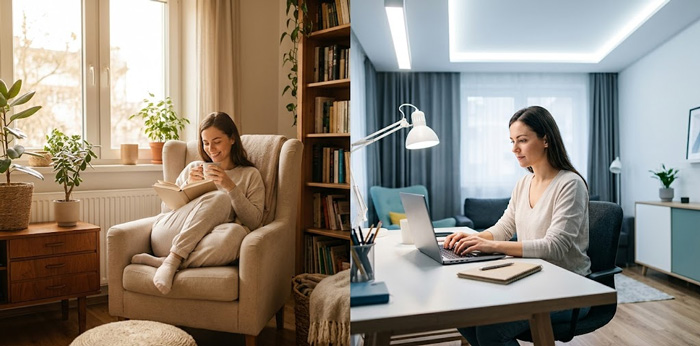
The Science of Light and Mood
Daylight and Its Impact on Mood
Improved Mood and Increased Happiness
Cognitive and Physical Benefits
Bright White Light and Its Impact on Mood
Alertness and Energy
Stress and Anxiety
Lack of Warmth and Comfort
Comparing Daylight vs. Bright White Light
Optimizing Lighting for Better Mood
Conclusion
FAQs
Lighting plays a crucial role in influencing our mood, productivity, and overall well-being. While natural daylight and artificial lighting sources, like bright white light, both illuminate our surroundings, their effects on our mood and mental state can be quite distinct. The psychological and physiological impact of light is a subject of extensive research, and understanding how different types of light affect us can help improve our daily lives.
The Science of Light and Mood

Our bodies are deeply attuned to light through a biological process known as the circadian rhythm. This internal clock regulates our sleep-wake cycle, affecting not only when we feel sleepy but also our mood, energy levels, and cognitive functions. Natural daylight plays a critical role in regulating this rhythm, and our exposure to it significantly impacts our mood throughout the day.
Artificial lighting, such as bright white lighting, also affects our body’s rhythm, but in a different way. Bright white light often mimics daylight in color temperature and intensity, but without the natural fluctuations and full spectrum found in natural sunlight. As a result, while it can be energizing, it may lack the mood-enhancing benefits that natural daylight provides.
Daylight and Its Impact on Mood
Daylight, the light produced by the sun, is a key component in maintaining our mental and physical well-being. It is the most natural and healthiest form of light exposure for our bodies. When we talk about daylight, we refer to not only the intensity but also the spectrum of natural sunlight. Unlike artificial lighting, sunlight is rich in blue light, which has been shown to improve alertness and cognitive performance. Moreover, it has a calming and uplifting effect on mood.
Improved Mood and Increased Happiness
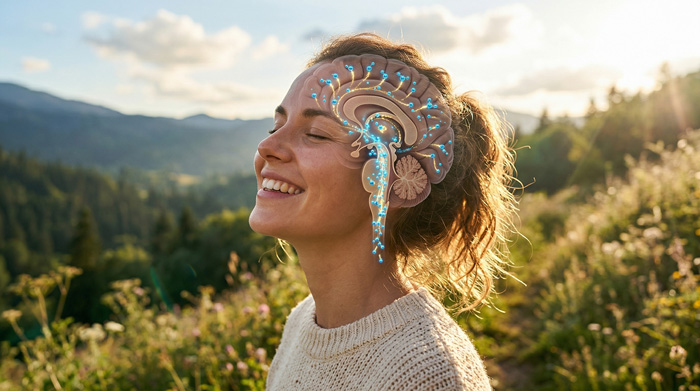
Exposure to natural daylight has been proven to elevate serotonin levels in the brain. Serotonin is a neurotransmitter that helps regulate mood, and higher serotonin levels are associated with feelings of happiness and contentment. This is why many people feel a boost in their mood on sunny days. Daylight can also help mitigate symptoms of Seasonal Affective Disorder (SAD), a form of depression that occurs during the darker months of the year when daylight exposure is limited.
Sunlight encourages the production of vitamin D, another critical element for mental health. Vitamin D deficiency has been linked to depression, so getting regular exposure to daylight is vital for maintaining emotional stability.
Cognitive and Physical Benefits

Daylight exposure is also linked to improved cognitive performance. Studies have shown that being in natural light improves attention, memory, and focus. This is particularly beneficial in environments such as workplaces or educational settings, where high cognitive performance is necessary.
In addition to mental health benefits, exposure to daylight has positive effects on physical health. Natural sunlight helps regulate sleep patterns by influencing melatonin production, a hormone that helps us sleep. Having a good night’s sleep is essential for mood regulation, as sleep deprivation can lead to irritability and low energy levels the next day.
Bright White Light and Its Impact on Mood
Bright white light, typically produced by fluorescent or LED bulbs, is designed to imitate daylight, often with a high color temperature and intense brightness. While it mimics daylight in terms of appearance, its effects on mood and well-being can be different from natural sunlight.
Alertness and Energy
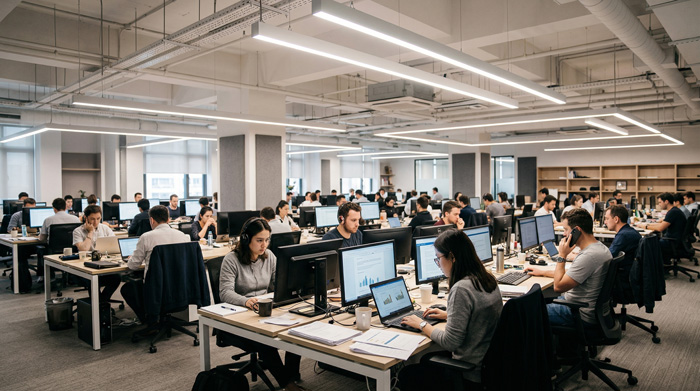
Bright white light, due to its high color temperature, can stimulate alertness and help improve focus. This is one of the reasons why bright white lighting is commonly used in offices and workspaces. It mimics daylight in a way that helps maintain our energy levels, making us feel more awake and productive.
Research has shown that exposure to bright white light can suppress melatonin production, making it easier to stay awake and alert. This is particularly useful during the daytime, but exposure to bright white light in the evening can interfere with sleep, as it prevents the natural drop in melatonin that occurs in the evening.
Stress and Anxiety
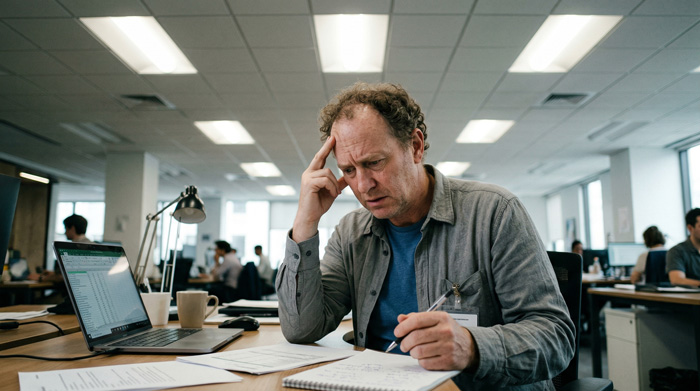
While bright white light can improve alertness, prolonged exposure can have negative effects on mood, particularly when it is too harsh or overwhelming. Bright white light can sometimes contribute to feelings of stress and anxiety, especially in environments where it is excessively intense or used for extended periods. This can be particularly noticeable in environments like hospitals or large office buildings, where the lighting can often feel sterile or cold.
Some studies suggest that overly bright, cold lighting can lead to heightened stress responses, increasing cortisol levels in the body. Cortisol is a hormone that is produced during times of stress, and prolonged elevated levels can have negative impacts on mood and mental health.
Lack of Warmth and Comfort
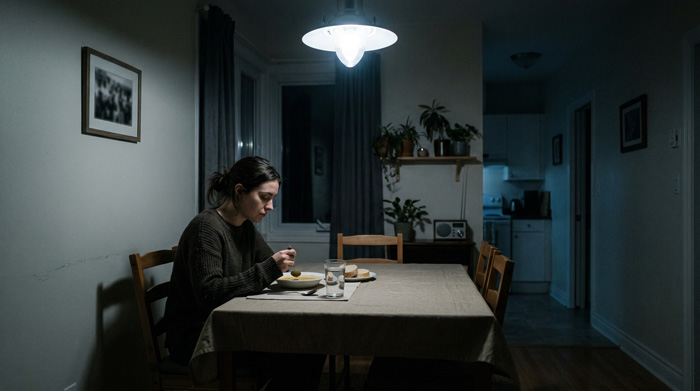
Unlike natural daylight, bright white light lacks the warmth and natural variation of sunlight. It can create an artificial and clinical atmosphere that may leave people feeling less comfortable or less relaxed. The absence of warmth in bright white light may contribute to feelings of unease or detachment in spaces that are meant to foster relaxation or social interaction.
Comparing Daylight vs. Bright White Light
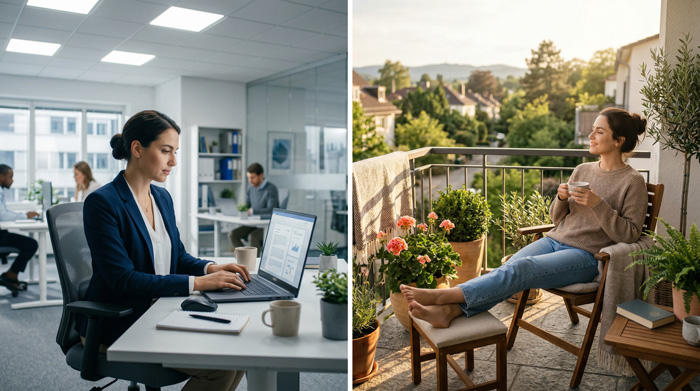
While both daylight and bright white light have their merits, they each come with distinct advantages and challenges. Daylight is generally more beneficial for mood regulation and overall well-being due to its natural spectrum and its ability to synchronize with our circadian rhythm. Sunlight exposure not only boosts mood but also enhances cognitive performance and promotes physical health.
On the other hand, bright white light can be a useful tool for staying awake and alert, especially in work environments. It helps mimic the energy of daylight, which is why it is often used in offices and other productivity-focused spaces. However, the lack of warmth in bright white lighting and its potential to cause stress make it less suitable for spaces intended for relaxation, such as living rooms or bedrooms.
Optimizing Lighting for Better Mood
To take advantage of the benefits of both daylight and bright white light, it’s important to use each type of lighting in the right context.
-
Daylight in the Morning: Try to expose yourself to natural daylight in the morning, as this will help kickstart your circadian rhythm and improve your mood throughout the day. Opening windows or spending time outdoors can make a big difference.
-
Bright White Light for Work: Bright white lighting can be used in workspaces or areas where alertness and focus are necessary. LED bulbs with a cool color temperature are ideal for keeping energy levels high.
-
Warm Light for Relaxation: In spaces meant for relaxation, such as bedrooms or living rooms, opt for warm lighting. Warm white or yellow tones can create a cozy atmosphere that encourages relaxation and emotional well-being.
-
Limiting Bright Light at Night: To ensure a good night’s sleep, avoid bright white light in the evening, as it can interfere with melatonin production. Instead, use softer, warmer lighting in the evening to prepare your body for rest.
Conclusion
Both daylight and bright white light have distinct effects on our mood and mental state. Daylight is the most natural and beneficial form of light for maintaining emotional well-being, cognitive performance, and overall health. Bright white light, while useful for boosting alertness and productivity, may contribute to stress and discomfort if used excessively. By understanding the effects of different types of lighting and using them appropriately, we can create environments that enhance our mood and promote well-being. Whether it's the natural warmth of sunlight or the invigorating brightness of artificial light, the right lighting can make all the difference in how we feel throughout the day.
FAQs
Can poor indoor lighting contribute to eye strain, headaches, and mood changes?
Yes. Inadequate or overly harsh indoor lighting can contribute to visual fatigue, digital eye strain, headaches, and mental discomfort, all of which may indirectly affect mood.
When lighting is too dim, the eyes must work harder to focus. When it is too intense or poorly diffused, glare and contrast issues can increase stress and irritability.
Balanced lighting with proper brightness, low glare, and thoughtful placement is important for both visual comfort and emotional well-being.
Are tunable LED lights a good substitute for natural daylight?
Tunable LED lights can be a useful alternative when natural daylight is limited, especially in offices, apartments, or regions with long winters.
They allow users to adjust color temperature and brightness throughout the day, which can support comfort and daily routines better than fixed lighting.
However, they still do not fully replicate the dynamic spectrum, intensity, or biological effects of real sunlight. Natural daylight remains the preferred option whenever available.
How does screen light compare with daylight and bright white room lighting in terms of mood impact?
Screen light affects mood differently because it is viewed at close range and often for long periods.
Phones, tablets, and computer screens emit concentrated short-wavelength light that can overstimulate the eyes and increase mental fatigue, especially in the evening.
Unlike ambient room lighting, screens also demand constant visual attention, which may increase stress and reduce relaxation. Managing screen exposure is as important as choosing suitable room lighting.
Do children, older adults, and shift workers respond differently to lighting conditions?
Yes. Different groups often have different lighting needs and sensitivities.
Children usually benefit from bright, balanced daytime lighting that supports alertness and learning. Older adults may need stronger illumination because of age-related vision changes.
Shift workers are especially sensitive because their light exposure often conflicts with natural biological rhythms, so lighting strategies should be more personalized.
What lighting features should people look for when choosing mood-friendly bulbs for home or work?
People should consider more than brightness alone.
Important factors include color temperature, glare control, dimmability, flicker quality, and color rendering.
A bulb that is too cool, too intense, or subtly flickering may feel uncomfortable over time, even if it seems bright enough. The best choice is lighting that matches the function of the space, feels visually comfortable, and can be adjusted throughout the day.
