
What Is Incandescent Light Color Temperature?
Why Does Incandescent Light Look Warm?
Understanding the Kelvin Scale for Lighting
2700K vs 3000K: What Is the Difference?
Incandescent Light Color Temperature for Outdoor Lighting
How Color Temperature Affects Garden Lighting Design
Incandescent Color Temperature vs LED Lighting
Choosing the Right Incandescent Light Color Temperature
Common Mistakes When Choosing Color Temperature
FAQs
When choosing lighting for a home, garden, or outdoor space, many people focus only on brightness and wattage. However, the color of light plays an equally important role in creating the right atmosphere. One of the most familiar examples of warm lighting is incandescent light, which has a soft, comfortable glow that has been used in homes for generations.
Understanding incandescent light color temperature helps homeowners, designers, and lighting professionals choose the right lighting style for different spaces. From warm and relaxing residential areas to functional outdoor lighting designs, color temperature directly affects how a space looks and feels.
What Is Incandescent Light Color Temperature?
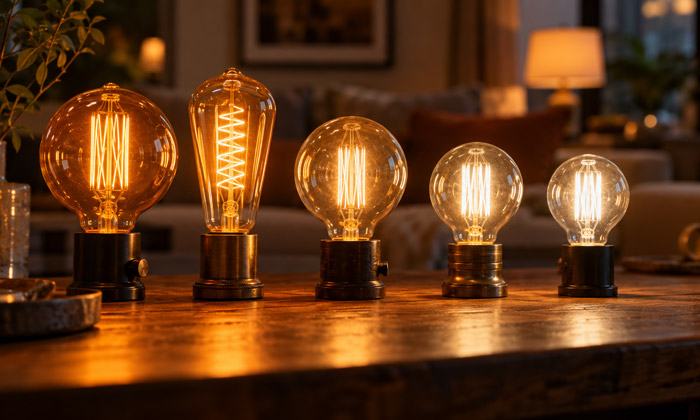
Color temperature describes the appearance of the light produced by a bulb and is measured in Kelvin (K). It does not describe the actual heat of the bulb but instead indicates whether the light appears warm, neutral, or cool. Lower Kelvin values create warmer yellow or amber tones, while higher Kelvin values produce whiter or bluish light.
Traditional incandescent bulbs are typically associated with a color temperature around 2700K. This warm white appearance creates a cozy and inviting atmosphere, which is why many modern LED bulbs use similar color temperatures to replicate the familiar incandescent lighting experience.
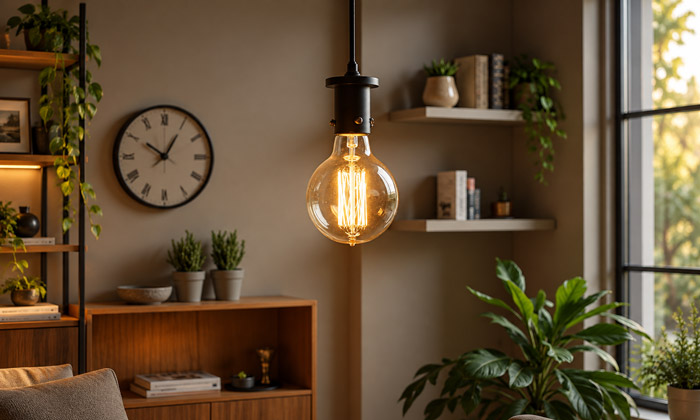
The warm glow of incandescent lighting is often preferred for spaces where comfort and relaxation are important, including living rooms, bedrooms, dining areas, restaurants, and hospitality environments.
Why Does Incandescent Light Look Warm?
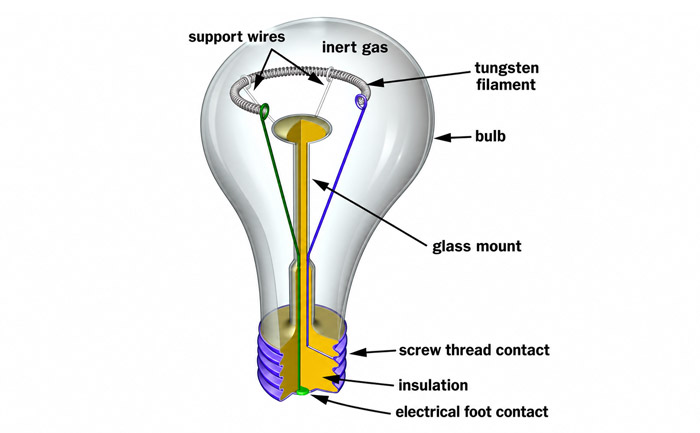
Cross-sectional diagram of an incandescent bulb illustrating how electrical current heats a tungsten filament to produce visible light. The heated filament emits a warm spectrum with more yellow and amber wavelengths compared with cooler light sources.
Incandescent bulbs create light by heating a tungsten filament until it produces visible illumination. As the filament glows, it produces a warm spectrum of light with more yellow and amber tones than daylight or cooler LED lighting.
This warm appearance gives incandescent lighting much of its familiar character. It can make a room feel softer, more comfortable, and more relaxing while bringing out the natural warmth of materials such as wood, leather, and stone. In residential spaces, these qualities often create a more welcoming atmosphere and avoid the crisp or sometimes harsh appearance associated with higher color temperatures.
Because of these characteristics, many homeowners still prefer the look of incandescent-style lighting, even as LED technology has become the more common choice for modern lighting.
Understanding the Kelvin Scale for Lighting
The Kelvin scale helps compare different lighting colors. Although exact ranges can vary slightly between manufacturers, common lighting categories include:
| Color Temperature | Appearance | Common Applications |
|---|---|---|
| 1800K–2200K | Very warm amber light | Decorative lighting, candle-like effects |
| 2700K | Traditional incandescent warm white | Bedrooms, living rooms, outdoor ambiance |
| 3000K | Soft warm white | Kitchens, bathrooms, modern residential lighting |
| 3500K–4000K | Neutral white | Workspaces, commercial areas |
| 5000K+ | Daylight-style white | Task lighting and security applications |
For most residential applications, 2700K and 3000K are the two most commonly compared options because both provide warm lighting but create slightly different visual effects.
2700K vs 3000K: What Is the Difference?
The difference between 2700K and 3000K comes down to how warm or neutral the light appears. Although both are considered warm color temperatures, they create different visual effects.
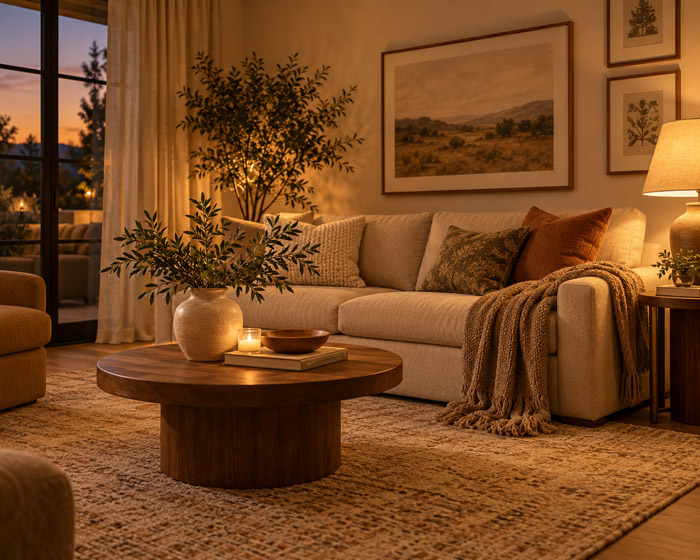
2700K: A Softer Warm Glow
2700K produces a traditional warm white appearance with stronger yellow tones. It closely resembles the color produced by classic incandescent bulbs.
This color temperature creates a softer visual experience and can make materials such as wood, fabric, and warm-colored finishes appear richer.
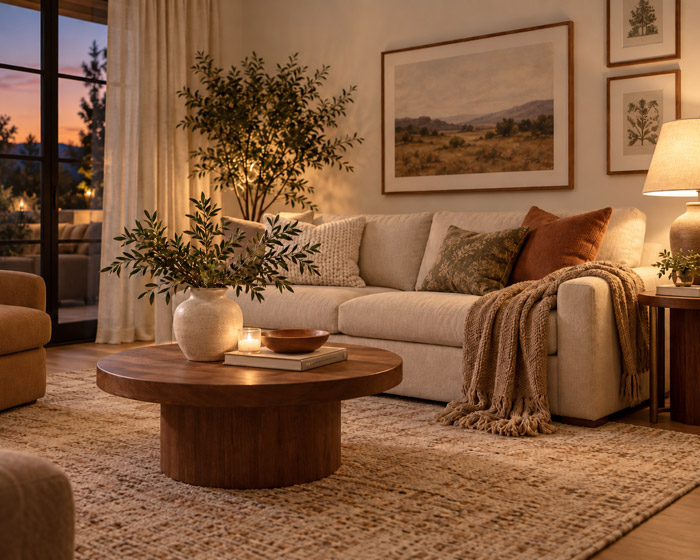
3000K: A Balanced Warm White
3000K provides a slightly whiter appearance while maintaining a warm feel. Compared with 2700K, it reduces the yellow tint and produces a cleaner look.
This makes 3000K appear more neutral while still avoiding the cool feeling associated with higher color temperatures.
Key Difference Between 2700K and 3000K
The main difference is the visual balance between warmth and clarity:
| 2700K | 3000K |
|---|---|
| More yellow and traditional | Cleaner and slightly whiter |
| Softer appearance | More balanced appearance |
| Classic incandescent feel | Modern warm white feel |
Incandescent Light Color Temperature for Outdoor Lighting
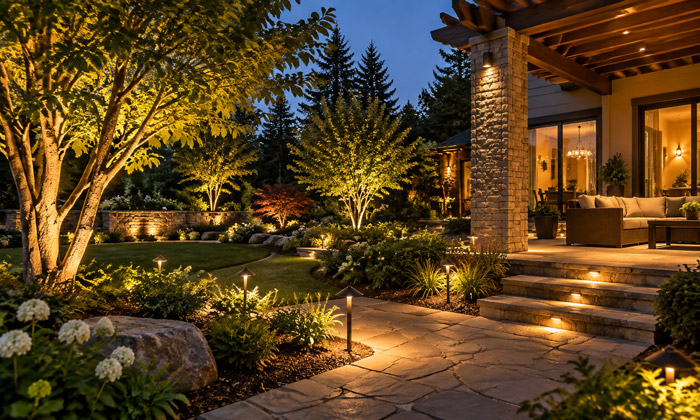
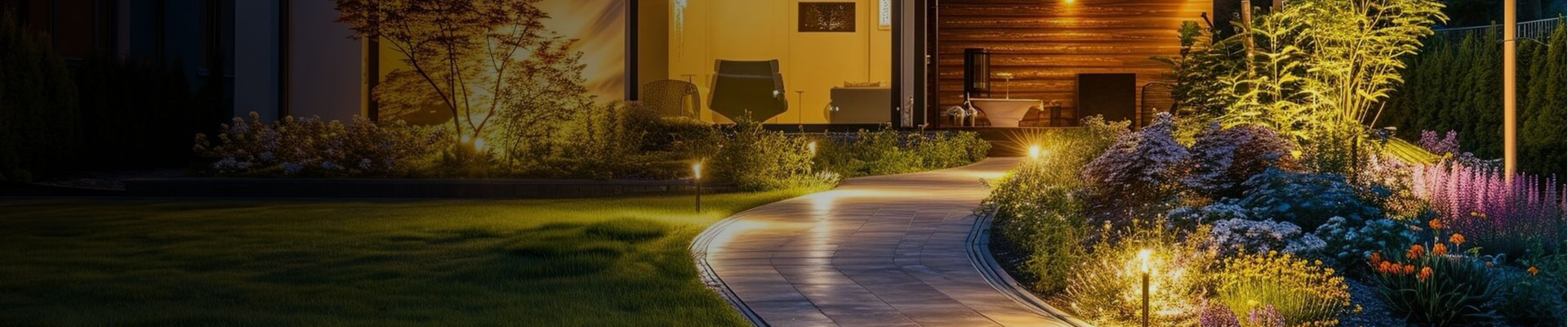
Outdoor lighting requires careful consideration because color temperature affects both aesthetics and functionality. Warm incandescent-style lighting is especially popular for landscape and garden applications because it blends naturally with plants, wood, stone, and other outdoor materials.
A color temperature around 2700K creates a softer, more relaxed atmosphere that works particularly well in gardens, patios, and other decorative outdoor spaces. Moving up to 3000K produces a slightly cleaner appearance, making it suitable for pathways and architectural details where clearer visibility is useful without losing too much warmth. Higher color temperatures create a cooler, brighter look that may suit security-focused lighting, but they can appear less natural when used in decorative landscapes.
In outdoor spaces, uplighting and downlighting can produce very different effects even when the fixtures use the same color temperature. Uplighting can emphasize trees, walls, and architectural details, while downlighting creates a softer effect across pathways, planting areas, and gathering spaces.
How Color Temperature Affects Garden Lighting Design
Garden lighting is not only about adding brightness. The right color temperature can change the entire feeling of an outdoor space. Warm incandescent-style lighting can make a garden feel more inviting at night while bringing out the natural textures of plants, wood, stone, and other landscape materials. It also works well around patios and seating areas, where a softer glow can create a more relaxed atmosphere and help maintain a natural visual connection between indoor and outdoor spaces.
Different landscape styles can also influence lighting choices. Natural or traditional gardens often work well with warmer color temperatures that create a softer atmosphere, while modern landscapes may benefit from slightly cleaner, more neutral light that emphasizes architectural lines and structured planting.
Incandescent Color Temperature vs LED Lighting
Modern LED technology allows homeowners to achieve the same warm appearance as incandescent bulbs while using less energy and enjoying longer product life.
Many LED products are available in 2700K or 3000K options specifically because these temperatures replicate the familiar appearance of traditional incandescent lighting.
When replacing incandescent bulbs with LEDs, consider:
1. Match the Color Temperature
If you prefer the classic incandescent appearance, choose LED bulbs around 2700K.
2. Consider the Space Purpose
Relaxation areas usually benefit from warmer tones, while areas requiring visibility may work better with slightly higher color temperatures.
3. Check Color Rendering
Color temperature affects the overall mood, but color rendering also influences how accurately objects and materials appear under the light.
Choosing the Right Incandescent Light Color Temperature
Choosing the right incandescent light color temperature depends on the mood, function, and style you want to create.
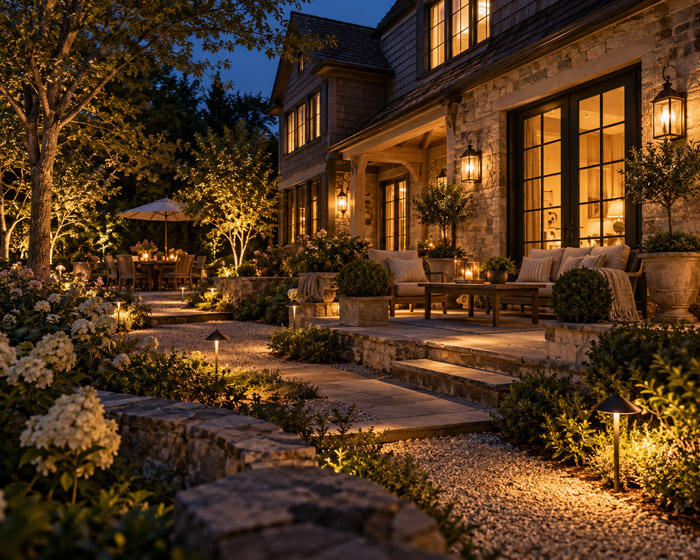
Choose 2700K for a Traditional and Comfortable Feel
2700K works well when the goal is to create a relaxed and welcoming atmosphere.
It is often suitable for:
- Traditional home designs
- Decorative lighting
- Areas where people gather and relax
- Landscape lighting that focuses on ambiance
The warmer tone helps create a softer nighttime appearance and blends naturally with classic outdoor environments.
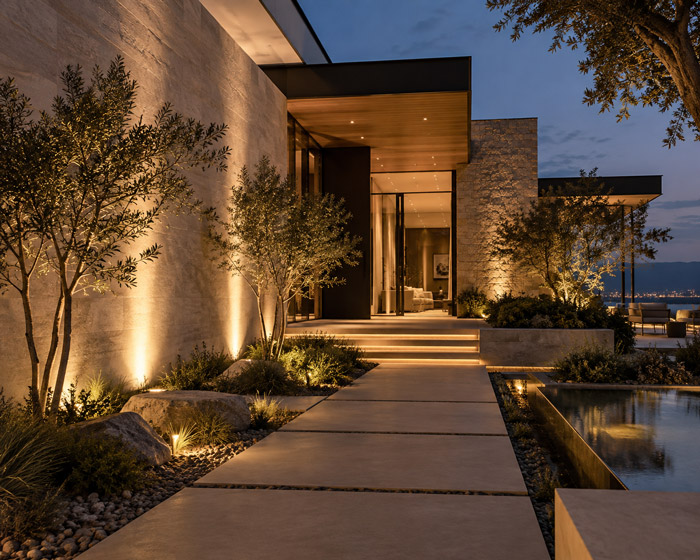
Choose 3000K for a Cleaner and More Defined Look
3000K is a good option when you need a combination of warmth and visibility.
It works well for:
- Contemporary outdoor designs
- Architectural lighting
- Areas where details need to remain clearer
- Modern landscape applications
For feature lighting, wall washer light fixtures can create a broad, even layer of illumination across walls and architectural surfaces.
Consider Your Overall Lighting Design
Instead of choosing color temperature only by brightness, consider the style of the space, surrounding materials, and the atmosphere you want to create.
Common Mistakes When Choosing Color Temperature
Choosing Only Based on Brightness
A brighter light is not always better. A high-output cool light may make a comfortable outdoor space feel less inviting.
Mixing Too Many Color Temperatures
Using many different color temperatures in one area can create an inconsistent appearance. Keeping similar lighting tones usually creates a more professional design.
Ignoring the Surrounding Materials
The same color temperature can look different depending on surfaces, plants, furniture, and architectural materials.
FAQs
Does Dimming an Incandescent Bulb Change Its Color Temperature?
Yes. When an incandescent bulb is dimmed, the filament operates at a lower temperature, causing the light to become warmer and more amber in appearance.
The color temperature can decrease noticeably compared with the bulb’s normal full-power operation.
Does the Wattage of an Incandescent Bulb Affect Its Color Temperature?
Wattage mainly describes electrical power consumption rather than color temperature.
However, bulbs with different wattages, filament designs, or operating conditions may produce slightly different filament temperatures, which can affect the appearance of the light.
What Is the CRI of Incandescent Lighting?
Incandescent bulbs typically have a Color Rendering Index (CRI) close to 100.
Their broad continuous spectrum allows colors to appear natural and accurate, which is why incandescent lighting is often used as a reference for color quality.
What Is the Difference Between Incandescent and Halogen Color Temperature?
Standard incandescent bulbs usually create a softer, warmer appearance, while halogen bulbs operate at higher filament temperatures and often produce a slightly whiter light.
Many halogen lamps operate in the approximate range of 2800K to 3200K depending on their design and operating conditions.
Why Does Incandescent Light Look Different in Photos and on Camera?
Cameras interpret light based on white balance settings. Because incandescent lighting contains strong warm tones, images may appear yellow or orange when captured with daylight settings.
Using a tungsten or custom white balance setting can help create more neutral-looking colors.
