

What Does a Damp Rated Wall Light Mean?
Why a Damp Rated Light Is Not Usually Suitable for a Shower
Damp Rated vs Wet Rated for Bathroom Lighting
Check the Bathroom Lighting Zone Before Installation
Can a Damp Rated Wall Light Be Used Near a Shower?
Choosing the Right Wall Light for a Bathroom Shower
FAQs
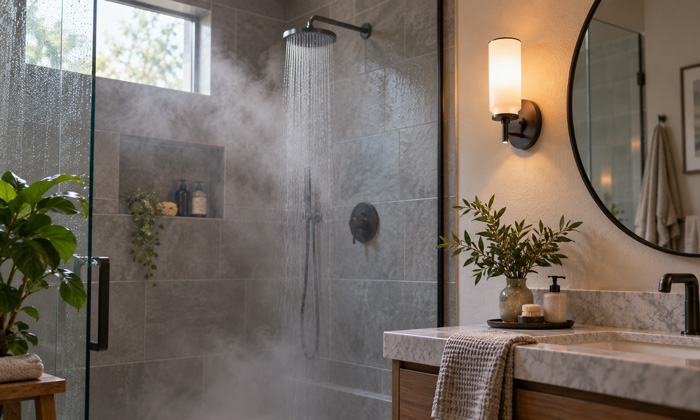
A wall light marked as damp rated may seem suitable for a bathroom because it can handle moisture, but that does not automatically mean it is safe for installation inside a shower area. The difference comes down to how much water exposure the fixture is designed to withstand. Damp-rated lights are made for locations with humidity, condensation, or occasional moisture, while shower areas involve direct water spray and higher levels of exposure.
What Does a Damp Rated Wall Light Mean?
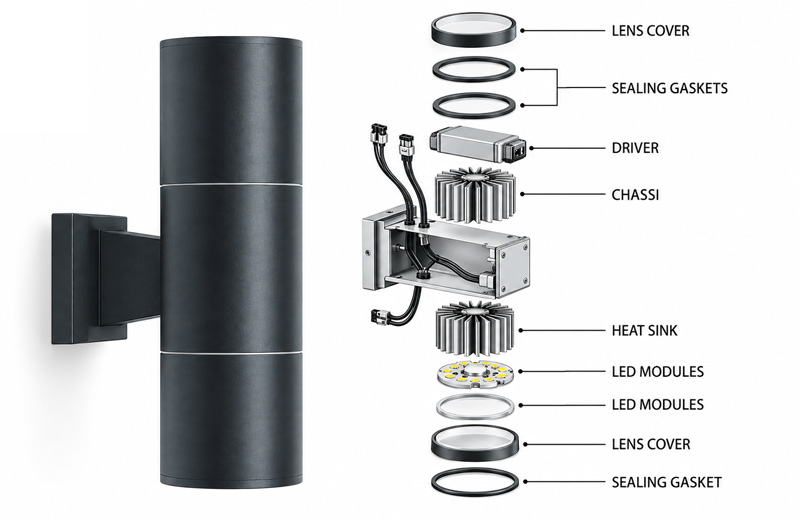
Internal structure of the waterproof wall light: a multi-layer sealing system and optimized heat dissipation design work together to provide reliable waterproof and moisture-resistant performance while extending the product lifespan.
A damp rated wall light is designed to operate in spaces where moisture is present but water does not directly contact the fixture. Typical locations include bathroom walls away from the shower, vanity areas, covered patios, and rooms with high humidity.
These fixtures usually have protection against condensation and moist air, helping prevent damage to electrical components over time. However, their seals and construction are not intended to block continuous water splashes or shower spray.
Why a Damp Rated Light Is Not Usually Suitable for a Shower
Inside a shower enclosure, a light fixture can be exposed to direct streams of water, droplets, and steam. This environment requires stronger protection than a damp rating provides.
A shower wall light needs a higher level of water resistance, which is usually determined by its IP rating. The second number in an IP rating indicates the level of protection against water, helping identify whether a fixture can handle moisture, splashes, or direct spray. Since bathroom areas have different levels of exposure, understanding how IP ratings are measured can make it easier to choose a suitable fixture, with the difference between IP44 and IP65 ratings providing useful insight into moisture protection and installation requirements. For areas exposed to regular water contact, selecting a fixture with the appropriate rating is essential for safe and reliable use.
Damp Rated vs Wet Rated for Bathroom Lighting
The main difference between damp rated and wet rated lighting is direct water exposure.
Damp rated lights:
- Handle moisture, humidity, and condensation
- Work well near bathroom mirrors or general bathroom areas
- Should not receive direct water spray
Wet rated lights:
- Designed for areas where water can contact the fixture
- Have sealed components that reduce the risk of water reaching electrical parts
- Are more appropriate for shower spaces and areas with frequent splashing
A shower installation requires a fixture that matches the actual conditions of the location rather than simply choosing a light labeled for bathroom use.
Check the Bathroom Lighting Zone Before Installation
Bathrooms are divided into different zones based on how close lighting fixtures are to water sources. Areas directly inside or near a shower have stricter requirements because of constant exposure to moisture and water.
A decorative damp-rated wall light may be a good choice on a bathroom wall outside the shower area, creating comfortable ambient lighting without facing direct spray. Inside the shower enclosure, a fixture with suitable water protection and the correct IP rating is needed.
Can a Damp Rated Wall Light Be Used Near a Shower?
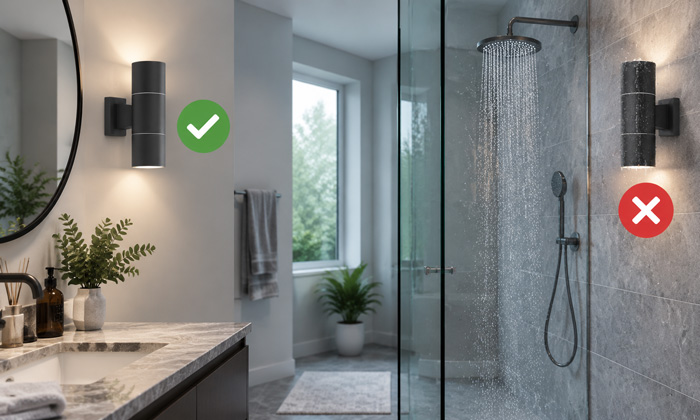
It depends on the position. A damp rated wall light may work on a bathroom wall several feet away from the shower where it only encounters humidity and occasional condensation. It is generally not designed for a location where shower water can hit the fixture.
For a shower wall, choosing a light specifically rated for wet conditions provides better protection and longer service life. The fixture’s installation instructions and IP rating should match the exact location where it will be mounted.
Choosing the Right Wall Light for a Bathroom Shower
When selecting a wall light for a shower area, consider:
- Water protection rating: Confirm that the fixture is designed for direct moisture exposure.
- Installation location: A light outside the shower has different requirements from one inside the enclosure.
- Fixture sealing: Look for designs that protect internal electrical parts from water entry.
- Manufacturer specifications: The product rating should clearly state the approved environment.
A damp rated wall light can be an excellent option for many bathroom locations, but a shower requires a fixture built for stronger water protection. Matching the light rating to the environment ensures safer operation and better durability.
FAQs
What IP rating is recommended for a wall light inside a shower area?
A wall light installed inside a shower area typically requires a higher IP rating that can withstand direct water exposure.
The exact rating depends on the bathroom zone and local electrical regulations, so the fixture should be selected based on its installation location.
Can a bathroom wall light be installed above a shower?
A bathroom wall light can be installed above a shower only when it is specifically designed for that area and provides suitable protection against water and steam.
Standard damp rated fixtures may not provide enough protection for this position.
How does steam affect bathroom wall lights over time?
Steam can enter poorly sealed fixtures and contribute to corrosion, electrical issues, and reduced lifespan.
Choosing a light with appropriate moisture protection helps maintain reliable performance in humid bathroom conditions.
Are LED wall lights better for shower areas than traditional bathroom lights?
LED wall lights are often preferred for bathrooms because they offer efficient performance, lower heat output, and a wide range of designs with improved sealing options.
The LED technology itself does not determine water resistance, so the fixture rating remains the key factor.
What should be checked before replacing a bathroom shower wall light?
Before replacing a shower wall light, check the fixture’s IP rating, installation zone, power requirements, and manufacturer’s guidelines.
Ensuring the replacement light matches the bathroom environment helps maintain safety and long-term performance.