
What “actually good” means for solar garden lights
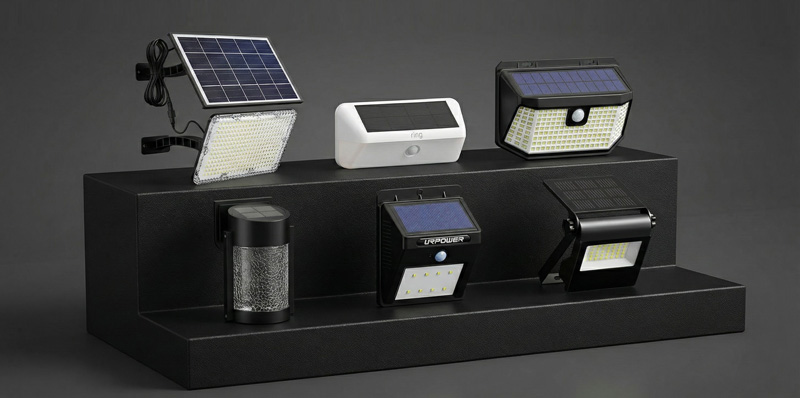
Brands and models that tend to perform well
- Lumetro — Balanced garden illumination
- URPOWER — Practical motion and utility lighting
- Ring — Smart solar path and yard lights
- Aootek — High-output flood and area illumination
- JACKYLED — Steps, fences, and low-level accent lighting
- Gigalumi — Pathway lighting sets
Quick comparison
How professionals decide what to install
Practical tips to improve performance
FAQs
Solar garden lighting has surged in popularity as homeowners seek easy-to-install, energy-free illumination for paths, patios, borders, and outdoor living spaces. Despite the appeal, many products underdeliver on brightness, longevity, and weather performance—leading to legitimate frustration among buyers.
So the key question becomes:
Any brands of solar garden lights which are actually good?
In this professional guide, we’ll unpack what actually good means in solar lighting, why so many products fall short, and which brands and models—when matched to the right use case—tend to deliver reliable, real-world performance.
What “actually good” means for solar garden lights
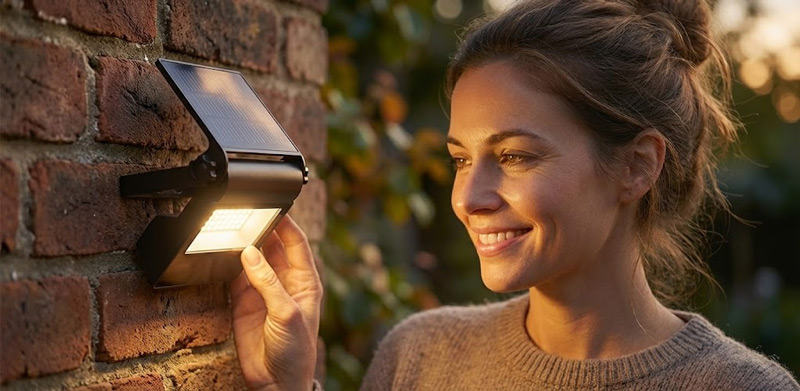
To evaluate quality, think in terms of system performance, not just marketing claims. A solar garden light should not only light up—it should charge effectively, manage energy smartly, and survive real outdoor conditions over multiple seasons.
Key performance factors include:
- Solar panel efficiency: Larger, better-oriented panels with efficient cells (often monocrystalline) charge more consistently in varied sunlight conditions.
- Battery quality: Higher-grade rechargeable chemistry with intelligent charge/discharge preserves capacity over time.
- LED power and optics: Efficient LEDs paired with thoughtful optics create usable light rather than scattered glow.
- Weatherproof durability: Seals, housing materials, and corrosion resistance matter as much as electrical specs.
- Purpose alignment: A light should match its intended function—path, accent, ambience, or security—without unrealistic promises.
Mediocre products often oversell lumen numbers while under-engineering panels, batteries, or structural durability. The result is disappointing brightness and rapid performance fade.
Brands and models that tend to perform well
Below are brands and models that have stronger than average real-world performance records when installed and used with realistic expectations.
Lumetro — Balanced garden illumination
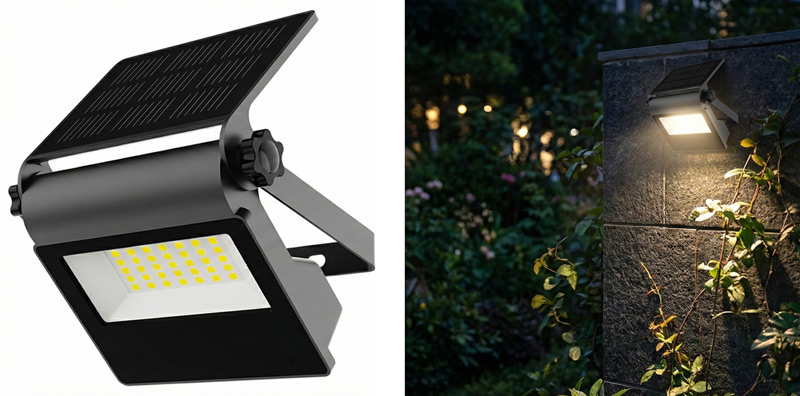
Representative model: Lumetro LM-SP04
The Lumetro LM-SP04 is a purpose-built solar garden light designed for reliable everyday outdoor use. In addition to providing steady, balanced illumination suited to landscape borders and paths, this model also incorporates a motion sensor — adding practical responsiveness for areas where occasional movement deserves a brighter, timed light output.
Best for:
Garden borders, gentle ambient lighting with motion awareness for enhanced usability at night.
Strengths
- Balanced and usable illumination
- Built-in motion sensor for responsive lighting
- Design emphasizes steady performance rather than only raw brightness
Limitations
- Moderate brightness best suited for ambiance and low-to-medium traffic zones
URPOWER — Practical motion and utility lighting
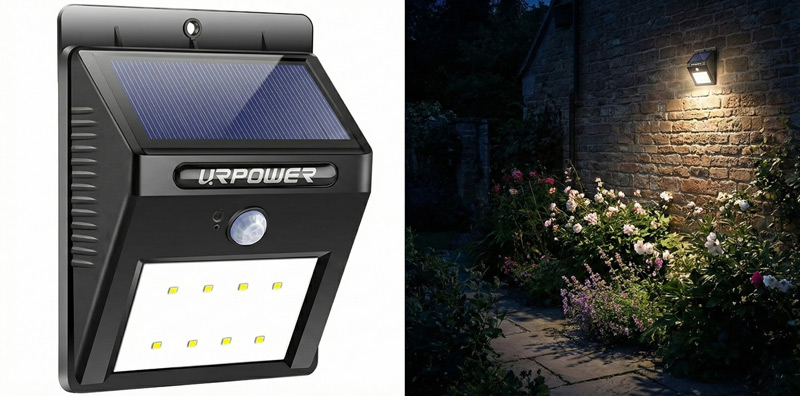
- Specializes in motion-activated lights and functional outdoor illumination.
- Known for wide beam coverage and responsive sensors.
- Robust housing tends to hold up in exposed areas.
Best for: Entrances, driveways, sheds, and utility spaces where motion-triggered visibility matters more than soft ambience.
Strengths
- Good motion response
- Strong functional brightness
Limitations
- Less suited for subtle garden ambience
Ring — Smart solar path and yard lights

- Offers solar pathlights integrated with app control and smart-home features.
- Supports motion alerts, schedule control, and zone grouping.
- Appeals to users already in smart ecosystems.
Best for: Front walkways, smart-connected outdoor setups.
Strengths
- Smart features and automation
- App-based control
Limitations
- More complex setup than basic solar lights
Aootek — High-output flood and area illumination
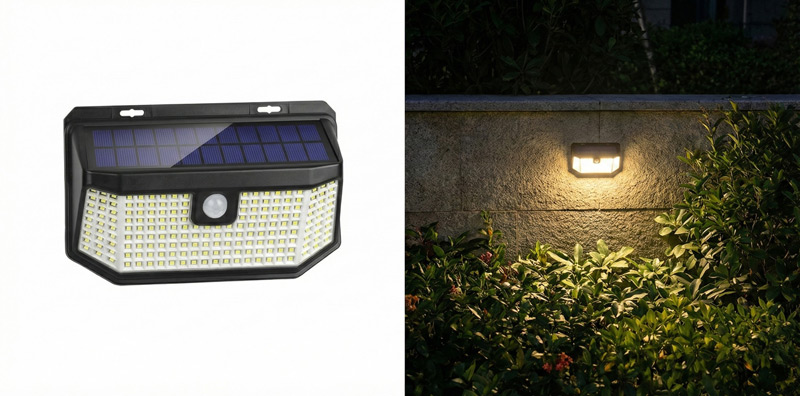
- Focused on high-brightness solar floodlights.
- Often used for security lighting or wide coverage rather than accent or ambient purposes.
- Good for larger outdoor areas requiring clear visibility.
Best for: Backyards, driveways, open areas needing brighter illumination.
Strengths
- High output and wide coverage
Limitations
- Not subtle—more utility than ambience
JACKYLED — Steps, fences, and low-level accent lighting
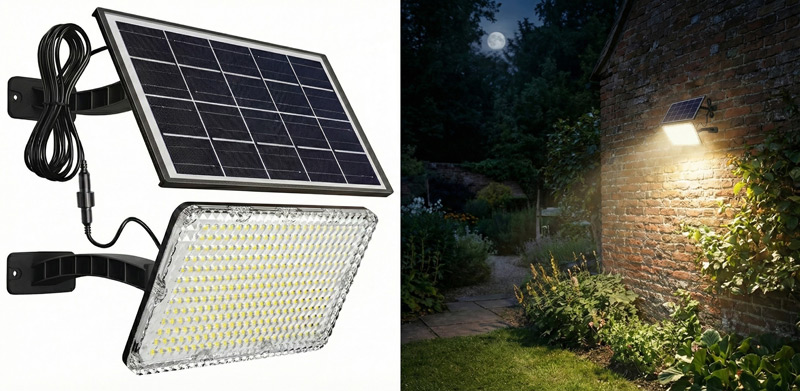
- Specializes in small, downward-facing solar fixtures.
- Designed to reduce glare and highlight steps, railings, and fences.
- Simple designs that are easy to mount and maintain.
Best for: Deck steps, stair edges, railing outlines.
Strengths
- Glare-controlled safety lighting
- Sleek installation
Limitations
- Lower overall brightness (by purpose)
Gigalumi — Pathway lighting sets
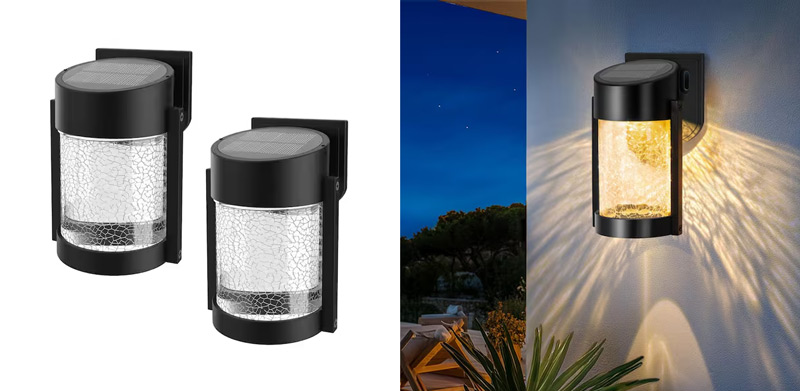
- Offers cohesive path light collections.
- Designed for consistency when lighting long walkways or large garden perimeters.
- Helps create symmetrical and uniform lighting designs.
Best for: Long garden paths or repetitive outdoor lighting patterns.
Strengths
- Visual uniformity
- Good for broad, decorative pathways
Limitations
- Not focused on maximal brightness per fixture
|
Brand / Model |
Best For |
Strength Profile |
Typical Use Case |
|---|---|---|---|
|
Lumetro LM-SP04 |
Ambient garden light |
Balanced, motion sensor |
Borders, landscape lighting |
|
URPOWER |
Utility & security |
Bright, motion-activated |
Driveways, sheds |
|
Ring Solar Pathlights |
Smart lighting |
Automated control |
Front pathways |
|
Aootek |
Flood & wide area |
High output |
Yards, entry zones |
|
JACKYLED |
Step & accent |
Glare-controlled |
Decks, stairs |
|
Gigalumi |
Pathway sets |
Visual uniformity |
Long paths |
How professionals decide what to install
Experienced outdoor lighting designers don’t choose lights based solely on brand. They start with function and site conditions:
-
Purpose definition
- Navigation (paths, steps)
- Accent (plants, features)
- Ambience (outdoor rooms, patios)
- Security (motion-triggered visibility)
-
Site analysis
- Amount of direct sunlight
- Seasonal shade patterns
- Soil stability, mounting height, orientation
-
Compatibility assessment
- Does the light’s power profile match the solar conditions?
- Are batteries replaceable?
- Does the design survive rain, frost, heat, and UV exposure?
Good results always start with realistic placement, not just product specs.
Practical tips to improve performance
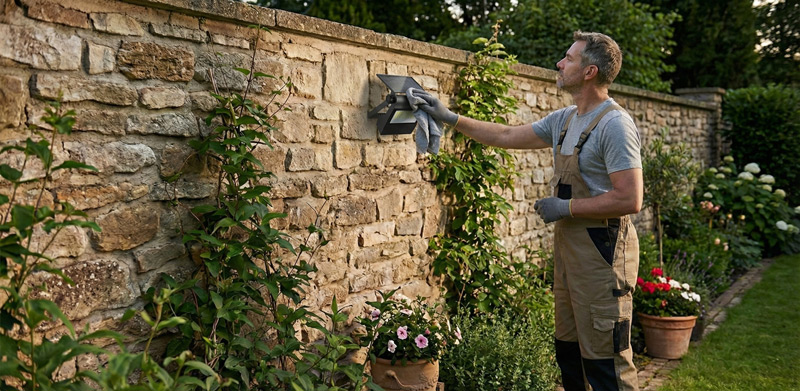
Even high-quality solar lights benefit from thoughtful installation and maintenance:
- Clean solar panels periodically — dust + pollen can significantly cut charging efficiency.
- Avoid heavy shade — most panels work best with direct morning to midday sun.
- Space outputs based on purpose — closer spacing for pathways; wider for ambience.
- Mount motion/security fixtures higher for reliable detection and reduced glare.
- Manage expectations seasonally — winter runtimes are naturally shorter.
Solar lighting performs best when installed with purpose, placement, and care.
Do motion sensors reduce the overall runtime of solar garden lights?
Motion sensors can influence runtime, but often in a positive and controlled way.
Solar garden lights with motion sensors typically remain in a low-power standby mode and switch to higher brightness only when motion is detected.
This energy-management approach often extends usable nighttime operation compared to lights that run at full brightness continuously.
The key factor is whether the sensor logic and battery capacity are properly balanced.
Why do some solar garden lights appear bright at first but fade quickly over time?
This behavior is most often caused by battery degradation rather than LED failure.
Lower-quality solar lights frequently use inexpensive rechargeable batteries that lose capacity rapidly after repeated charge cycles.
As battery capacity declines, lights may still turn on but produce weaker output or shut off earlier each night.
Higher-quality designs focus on long-life batteries and stable charge management to slow this performance drop.
Is higher lumen output always better for garden and pathway lighting?
No. In garden and pathway applications, controlled light distribution is more important than raw lumen output.
Excessively bright fixtures can create glare, harsh shadows, and uneven illumination that reduce comfort and visibility.
Well-designed solar garden lights aim for moderate brightness with consistent spread, making paths readable without overpowering the landscape.
How much direct sunlight do solar garden lights realistically need?
Most solar garden lights perform best with approximately 4–6 hours of direct sunlight per day.
Late morning to early afternoon exposure is ideal, as solar intensity is highest during this period.
Partial shade may be acceptable, but prolonged shading—especially in winter—significantly reduces charging efficiency.
Placement is often more important than brand when it comes to consistent performance.
Can solar garden lights be relied on year-round, including winter?
Solar garden lights can operate year-round, but seasonal performance changes are normal.
Shorter daylight hours, lower sun angles, and colder temperatures reduce both charging efficiency and battery output.
Well-designed lights compensate by gradually lowering brightness or runtime rather than failing abruptly.
Solar lighting is best viewed as a complementary system rather than a full replacement for wired lighting in winter conditions.
