
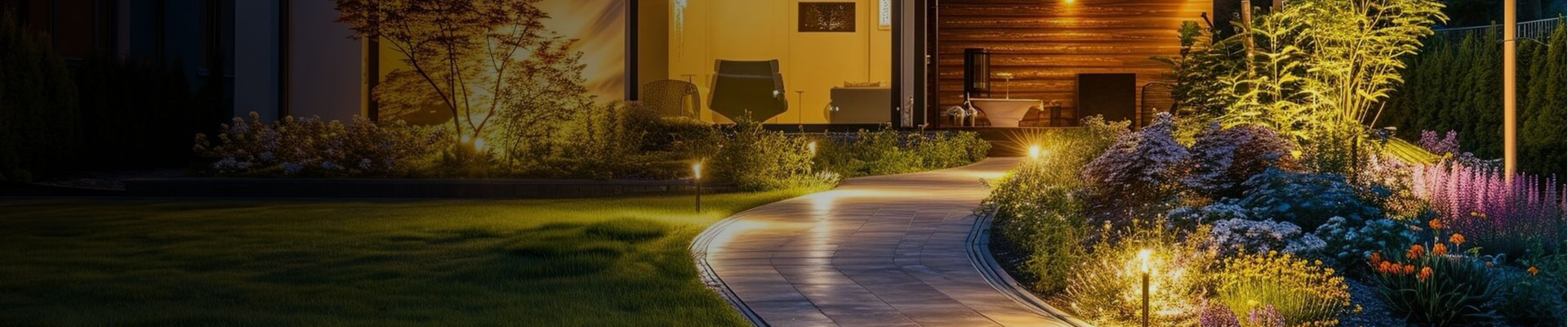

The core criteria: how to choose garden lights that actually feel “premium”
• Build quality and weather resistance
• Light quality: brightness is not the same as beauty
• Power approach: wired, low-voltage, or solar
• Control and automation
A curated selection of top garden light types and standout choices available in France
1. Solar convenience pick: Lumetro LM-SP04 Model Solar Garden Light
2. Smart “designer landscape” systems: Philips Hue outdoor lines (spot + bollard families)
3. Security and arrival lighting: STEINEL-style sensor lights
4. Elegant path structure: bollards and low path posts (wired or low-voltage)
5. Feature lighting for trees and architecture: adjustable spotlights (stake-mounted)
6. Decorative glow for dining: lantern-style ambient fixtures
Comparison table: practical “shortlist” view
How to design a “French-feeling” lighting plan (without overdoing it)
A balanced bullet list: the “don’ts” that instantly make lighting look cheap
Sustainability and neighbor-friendly lighting
FAQs
France has a special relationship with outdoor space. Whether it’s a compact Parisian courtyard, a Mediterranean terrace shaded by olive trees, or a long country garden bordered by hedges, the French approach tends to be layered, calm, and intentional—never “stadium bright,” never random. Great garden lighting in France is less about flooding everything with light and more about creating atmosphere, safety, and structure: a soft path that invites you forward, a warm glow that makes stone walls look honeyed, a discreet beam that turns a fig tree into sculpture at night.
In practical terms, “the best garden lights in France” are the ones that balance elegance with durability, meet real weather conditions (Atlantic humidity, Alpine frost, coastal salt air), respect neighbors, and keep running economically—especially as more households aim to reduce energy use.
What “best” means for a French garden (and why it’s different)
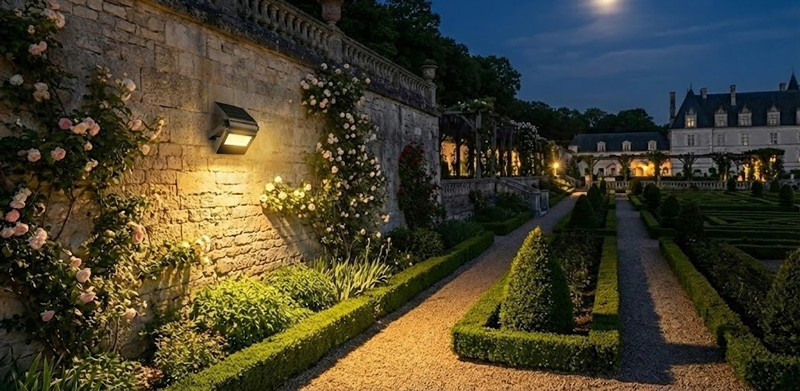
A garden in France often has strong lines—gravel paths, clipped shrubs, stone borders, terraces, pergolas. Lighting that works well here usually supports those lines rather than competing with them. Instead of one powerful source, the most pleasing setups rely on layers:
- Guidance light to prevent trips (low-level path or step lights)
- Accent light to highlight a tree, sculpture, or textured wall
- Functional light for dining, grilling, or arriving home late
- Ambient light for mood (lantern-style glows, indirect washes)
This layered style also helps avoid a common mistake: installing lights that are too bright or too cold. In many French gardens, warm white feels natural against stone, wood, terracotta, and greenery, while harsh cool white can make outdoor spaces look clinical.
The core criteria: how to choose garden lights that actually feel “premium”
Before naming picks, it helps to understand why some garden lights feel refined and others feel cheap—even when they look similar in photos.
Build quality and weather resistance
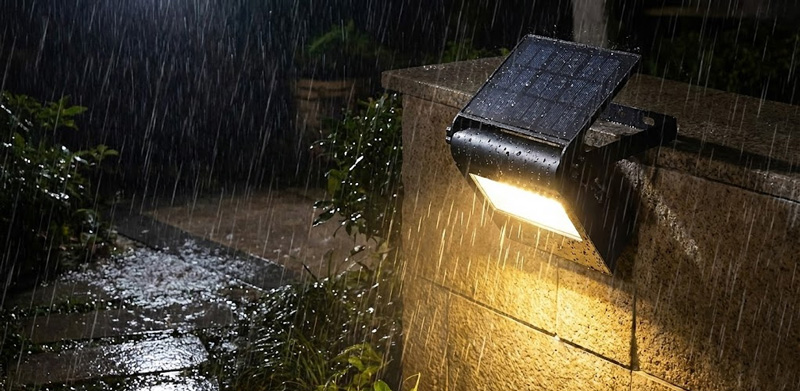
France’s climate variety means your lights might face summer heat, winter freezes, heavy rain, wind, and coastal corrosion. Aim for fixtures designed for long outdoor life:
- High IP rating (weather protection): higher is better for exposed placement
- UV-resistant materials so finishes don’t chalk or fade
- Sturdy seals and gaskets to keep moisture out
- Corrosion-resistant metals (especially near the sea)
Light quality: brightness is not the same as beauty
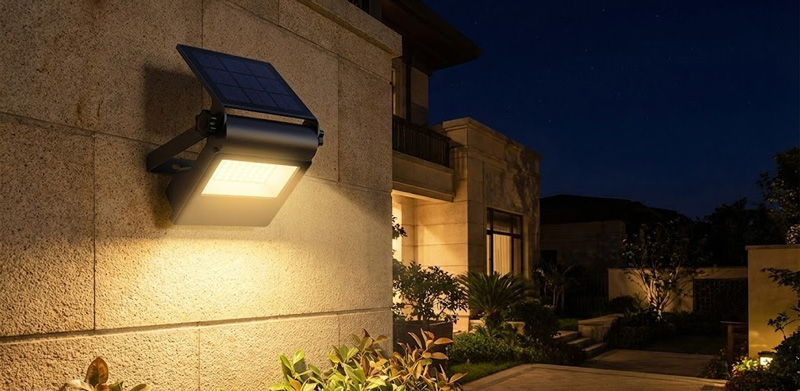
“Best” lighting is about where the light lands and how it renders surfaces. A modest brightness can feel luxurious if the beam is controlled and glare is low. Look for:
- Glare control (shields, frosted diffusers, recessed LEDs)
- Consistent color temperature across fixtures (so your garden doesn’t look patchy)
- A beam angle that matches the job (wide for walls, narrow for trees)
Power approach: wired, low-voltage, or solar
In France, you’ll see all three, and each fits a different lifestyle:
- Wired (mains): best reliability and power, ideal for permanent installations
- Low-voltage systems: safer for DIY garden layouts, expandable over time
- Solar: unbeatable convenience for quick upgrades and remote corners—best when you choose models with smart power management and strong weather design
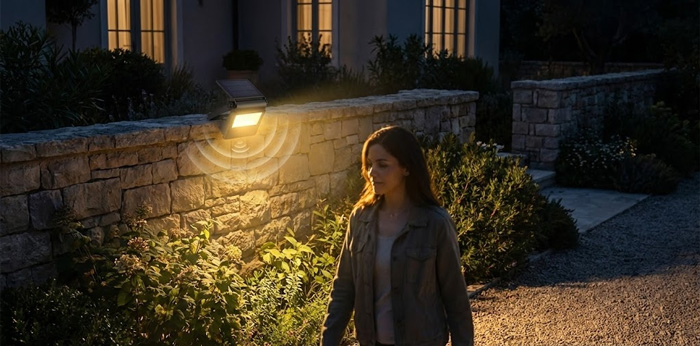
Even traditional gardens benefit from modern controls. Timers, motion sensors, dusk-to-dawn modes, and smart scenes reduce energy waste and make lighting feel effortless.
A curated selection of top garden light types and standout choices available in France
Rather than listing dozens of near-duplicates, this selection focuses on roles (what the light is for) and highlights representative options people in France commonly gravitate toward—ranging from solar simplicity to smart landscape systems.
1) Solar convenience pick: Lumetro LM-SP04 Model Solar Garden Light
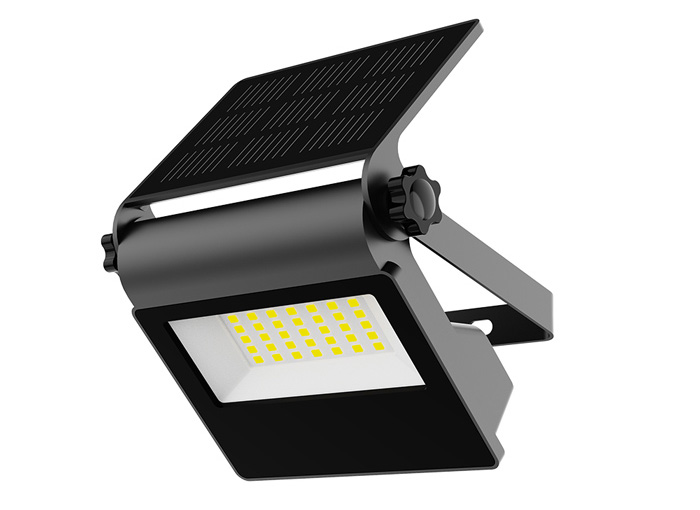
If you want lighting with minimal installation—no trenching, no transformer, no electrician—solar remains the fastest way to make a garden feel “finished.” The key is choosing solar fixtures that don’t look temporary. The Lumetro LM-SP04 Model Solar Garden Light is a strong example of the category because it’s designed for everyday garden use: the intention is straightforward—place it where you need gentle illumination and let it recharge by day.
In real gardens, this type of light tends to shine in three situations: outlining pathways without wiring, adding soft glow near planters, and bringing life to corners that would otherwise stay dark. The best results come when you treat solar lights as ambient accents rather than trying to make them perform like powerful wired floodlights. Used in multiples, consistent solar fixtures can create a cohesive rhythm that feels deliberate, especially along gravel or stepping-stone routes.
Where solar models like the LM-SP04 earn their place is lifestyle: you can adjust placement seasonally, rework your layout after pruning or planting, and expand gradually without committing to major installation work.
2) Smart “designer landscape” systems: Philips Hue outdoor lines (spot + bollard families)
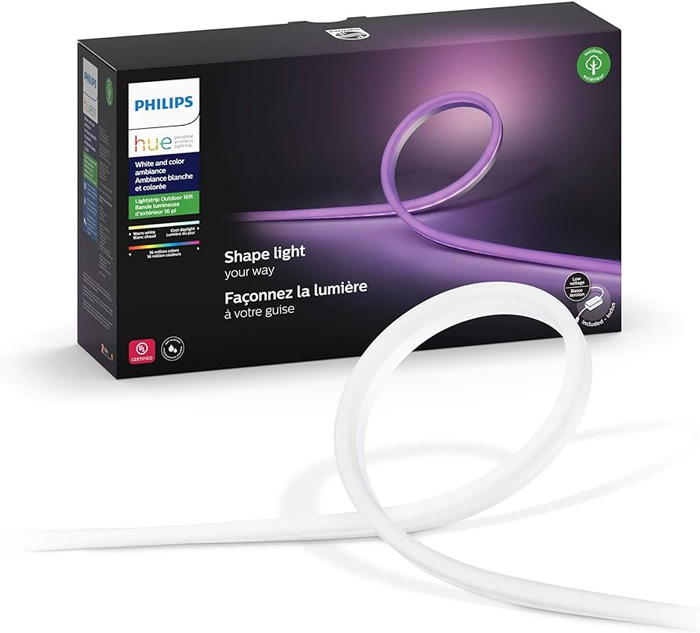
If you want the garden to feel like an extension of the living room—scenes, dimming, color accents for parties, warm white ambiance for quiet evenings—smart landscape lighting is often the most dramatic upgrade. Philips Hue’s outdoor ecosystem is popular for a reason: it lets you build layered lighting with consistent control, and it’s easy to orchestrate multiple zones (path, terrace, feature tree) into one coherent mood.
The best use of smart lighting in France isn’t constant color; it’s the ability to fine-tune warmth and brightness and to automate schedules that feel natural. A subtle warm wash on a stone wall, a slightly brighter path line when guests arrive, and a low night mode after midnight can make a garden feel considered rather than “lit.”
3) Security and arrival lighting: STEINEL-style sensor lights
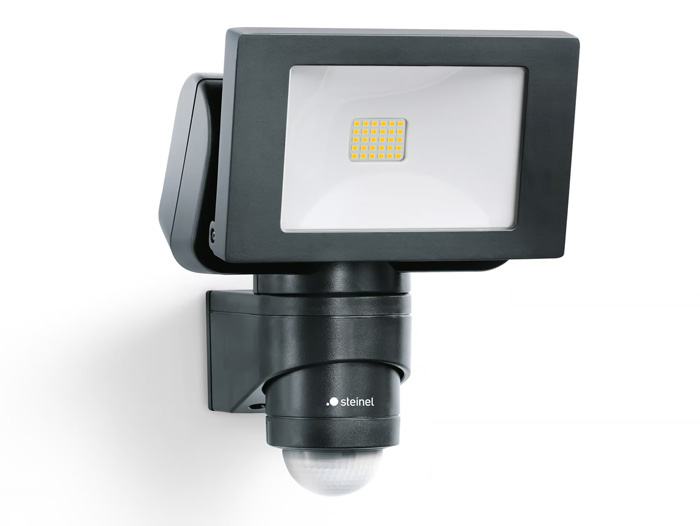
A French home with a driveway, garage, or side passage benefits hugely from a well-designed motion-sensor light—especially one that doesn’t blast the entire neighborhood. Premium sensor lights tend to have better detection accuracy and more refined optics, so the light goes where you need it. For practical zones like gates, bins, or a back entrance, sensor lighting is less about romance and more about confidence: you arrive, it responds, you see clearly, and it turns off automatically.
This category is ideal when you want safety without keeping lights on all night—a common preference in residential French streets where neighbors are close.
4) Elegant path structure: bollards and low path posts (wired or low-voltage)
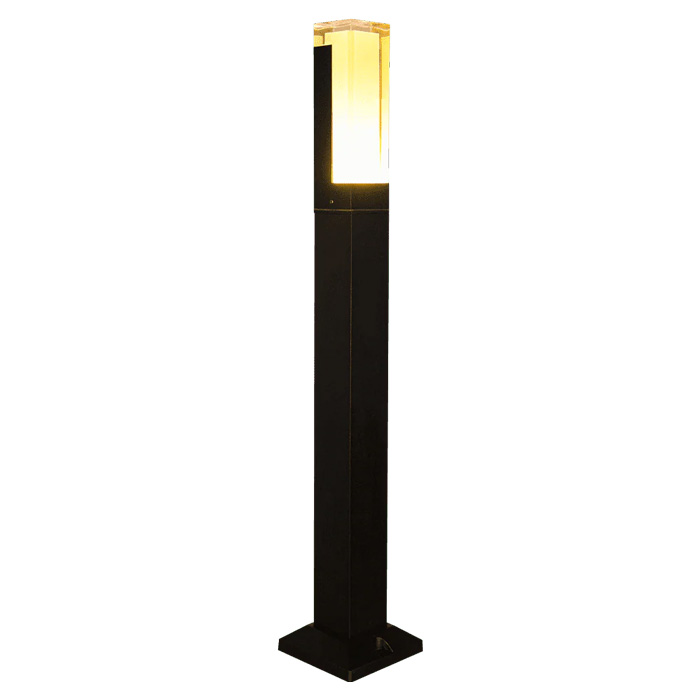
Path lighting is where many gardens either look expensive—or like an airport runway. The “best” look in France usually comes from low, warm, shielded light that defines edges without visible glare. Bollards can be spaced to create rhythm, and the goal is guidance rather than brightness. If you have gravel paths, consider fixtures that softly skim across the surface; it makes the texture glow and improves footing without feeling harsh.
A tip that works beautifully in French-style landscaping: aim path lights slightly inward, so you see the path’s line and material, not the light source.
5) Feature lighting for trees and architecture: adjustable spotlights (stake-mounted)
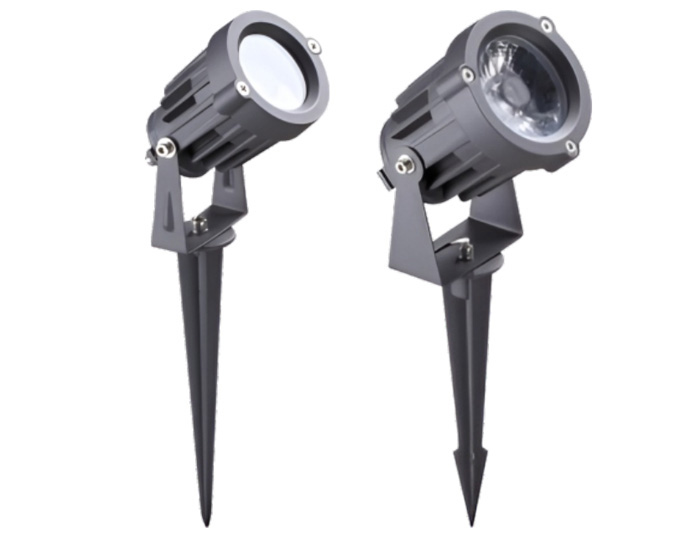
If you do one “upgrade” beyond paths, make it a few adjustable spots. A single well-aimed beam on an olive tree, a maple, a palm, or a stone wall can transform the garden more than ten random solar stakes. Look for adjustable heads and stable mounting so your aim doesn’t drift after wind and rain.
This is also the best category for creating that classic French night-garden mood: shadow play on leaves, a quiet highlight on a sculpture, or a soft wall-wash behind seating.
6) Decorative glow for dining: lantern-style ambient fixtures
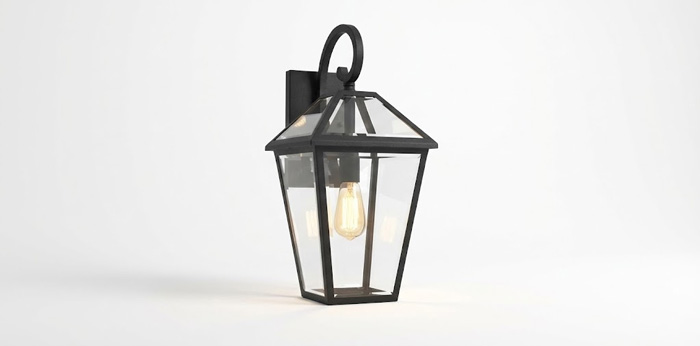
France does outdoor meals exceptionally well, and lighting matters. For terraces, pergolas, or dining corners, lantern-style fixtures (wired, rechargeable, or low-voltage) provide the human layer—warm, flattering light that doesn’t flatten faces. The best choices here avoid harsh downward beams and instead use diffused glows.
Comparison table: practical “shortlist” view
|
Category / Role |
Example pick (representative in France) |
Best for |
Why it’s a top choice |
Watch-outs |
|---|---|---|---|---|
|
Solar path & accent |
Lumetro LM-SP04 Model Solar Garden Light |
Quick upgrades, remote corners, flexible layouts |
No wiring, easy to expand, great for gentle guidance and ambience |
Solar performance depends on placement and seasonal sun |
|
Smart landscape (spots/bollards) |
Philips Hue outdoor families |
Scene control, automation, cohesive multi-zone lighting |
Dimming, schedules, consistent control across garden areas |
Higher cost; requires hub/app ecosystem |
|
Motion-sensor security |
STEINEL-type sensor fixtures |
Entrances, driveways, side passages |
Efficient, safer, lights only when needed |
Poor placement can trigger false activations |
|
Path structure (wired/low-voltage) |
Shielded bollards / low posts |
Gravel paths, borders, formal lines |
Clean look, strong durability, refined glare control |
Too many or too bright becomes “runway lighting” |
|
Tree & wall accents |
Adjustable stake spotlights |
Feature trees, walls, sculptures |
Maximum visual impact per fixture |
Bad aiming creates glare; needs thoughtful angles |
|
Dining ambiance |
Lantern / diffused terrace lighting |
Pergolas, outdoor tables, lounge corners |
Flattering, warm, social atmosphere |
Don’t rely on it alone for steps/path safety |
How to design a “French-feeling” lighting plan (without overdoing it)
A garden can look messy at night if lights aren’t unified. The simplest way to avoid that is to plan from human experience:
Imagine walking out at night with a glass of wine. What do you want to feel?
- First, ensure safe movement: steps, thresholds, and the main route from the house.
- Second, add one or two focal points: a tree, a wall, a fountain, a large pot.
- Third, make the seating area flattering: warm, low-glare, enough to see faces.
- Finally, stop. Darkness is part of the design.
A common “high-end” trick is restraint: keep most of the garden dim, then sculpt attention with a few highlights. This reads as sophisticated and also respects neighbors—important in many French residential settings.
A balanced bullet list: the “don’ts” that instantly make lighting look cheap
- Don’t mix wildly different color temperatures (it makes the garden look patchy and accidental).
- Don’t point bright lights directly toward seating or windows; glare kills atmosphere.
- Don’t over-light paths—guidance is enough, especially with gravel or pale stone.
- Don’t buy ultra-lightweight fixtures for windy zones; they shift, tilt, and look messy fast.
- Don’t treat solar as “one light per meter”; treat it as a rhythm and adjust spacing visually.
- Don’t forget the off-season: winter nights are long, and reliability matters more than you think.
Sustainability and neighbor-friendly lighting
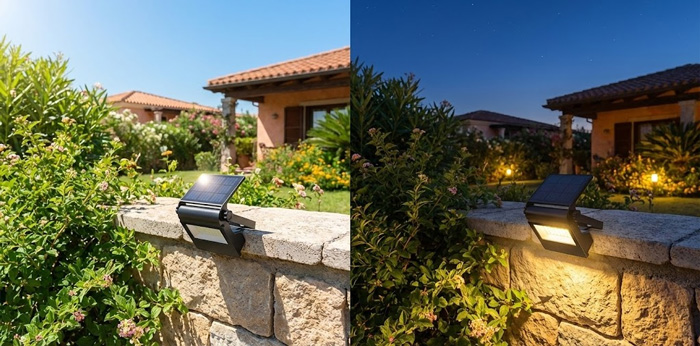
Many French communities value calm night environments, and light pollution awareness is growing. You don’t need to turn this into a technical project; just follow the “soft and downward” principle:
- Choose fixtures that aim down or shield the source
- Use timers or dusk sensors so lights aren’t on unnecessarily late
- Keep security lights motion-based rather than constant
- Let some areas remain dark; it improves contrast and makes highlights look better
The most beautiful gardens at night often have less total light—just smarter placement.
In France, should I prioritize solar garden lights or wired / low-voltage lighting first?
Start with solar lighting if you want the quickest upgrade with minimal installation, especially for outlining paths and adding gentle accents in corners.
If you need consistent brightness for entrances, steps, or an outdoor dining area, wired or low-voltage lighting usually performs better as the foundation layer.
Solar lights can then be added as flexible finishing touches once the main structure is in place.
How can solar lights like the Lumetro LM-SP04 look premium instead of temporary?
Treat solar lights as a repeated design element rather than scattered individual points.
Keep spacing visually consistent, align them with the geometry of paths or borders, and use them for guidance and ambience instead of trying to light large areas.
Place them where they receive dependable daylight and maintain a uniform look by using the same model along a defined section.
What’s the best way to avoid glare and “runway lighting” on French garden paths?
Use low, warm, shielded path lights aimed at the walking surface rather than toward eye level.
Space fixtures so the path remains readable without becoming overly bright.
Focus on lighting edges and key turns more than evenly flooding the entire path, and avoid direct line-of-sight to the LED source from seating areas or windows.
How do I create a layered, atmospheric garden look without adding too many fixtures?
Build lighting in layers using a small number of intentional points.
Use one layer for safe movement (steps and thresholds), one or two accent lights for focal elements such as a tree or wall, and one softer source for seating or dining areas.
Stop once the garden feels navigable and inviting. Darkness between highlights is what makes lighting feel refined.
How should I balance security lighting with a calm, neighbor-friendly garden atmosphere?
Use brighter security lights on motion sensors at entrances and side passages rather than leaving high-output lights on all night.
Keep the rest of the garden in warm, low-glare tones with downward aiming or shielding.
This approach provides safety when needed while preserving a relaxed nighttime mood and minimizing light spill into neighboring properties.
