
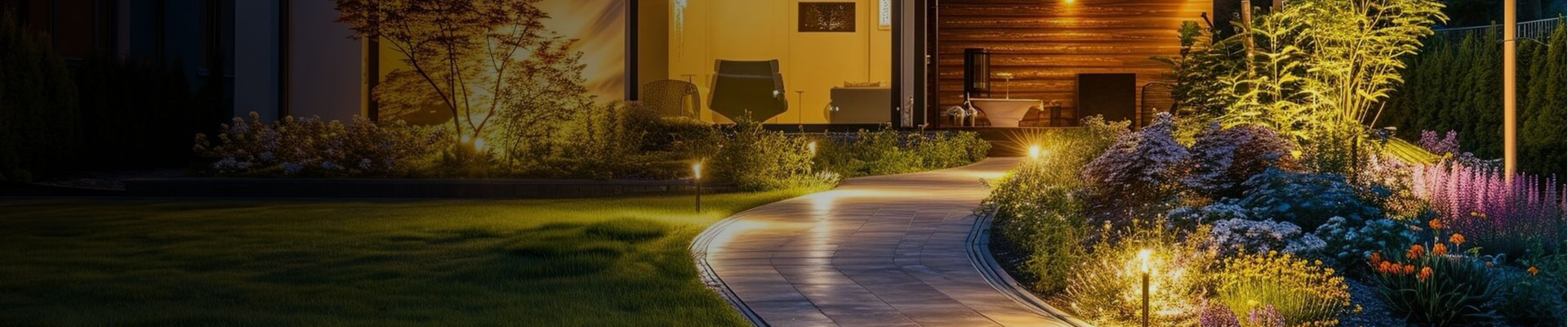
Winter is the hardest season for solar garden lighting. Days are shorter, sun angles are lower, snow can bury panels, and cold temperatures slow battery chemistry. Yet “solar lights don’t work in winter” is a myth—what’s true is that many typical solar garden lights are designed for mild conditions and fail when sunlight is scarce and nighttime is long. If you choose the right hardware, install it thoughtfully, and maintain it through the season, solar lighting can remain reliable even in freezing weather.
This article explains—professionally and practically—what makes a solar garden light winter-capable, how to evaluate specifications that actually matter, and how to get consistent performance when temperatures drop below freezing.
Why Solar Garden Lights Struggle in Winter (and How to Beat That)
Winter performance is limited by two linked constraints: energy harvest and energy storage. Solar panels produce less power in winter because the sun is lower in the sky, cloud cover is more common, and daylight hours are shorter. Meanwhile, the light needs more stored energy to run longer nights. That’s the fundamental squeeze: less charging + more runtime demand.
Cold also impacts batteries. Most outdoor solar garden lights use rechargeable cells (commonly lithium-ion or NiMH). In low temperatures, batteries deliver fewer usable watt-hours and may have reduced discharge capability. Even if the solar panel collects enough energy, a cold battery can’t always release that energy efficiently for long periods.
The solution is not a single trick—it’s a system approach: higher-efficiency panels, adequate battery capacity, conservative lighting modes, and smart placement to avoid shading and snow coverage. When those align, winter solar lights can be dependable rather than decorative-for-two-hours.
What “Works in Winter” Really Means
A winter-capable solar garden light should meet most of these criteria:
-
Charges meaningfully in low light (cloudy days, low sun angle).
-
Has storage sized for long nights (often 12–16 hours of darkness).
-
Manages output intelligently (dimming, motion activation, or adaptive brightness).
-
Is weather-sealed against freeze/thaw moisture ingress.
-
Can be positioned to stay exposed above snow and away from shade.
If you evaluate solar lights using only “runtime on the box,” you’ll be disappointed. Many runtimes are measured under ideal summer conditions, which are the opposite of winter.
The Technical Factors That Matter Most
Panel type and effective charging area
Solar panels come in different constructions (often described as amorphous, polycrystalline, or monocrystalline). Without turning this into a materials science lecture, you can treat it as a hierarchy: higher efficiency + better low-light behavior generally improves winter charging, especially when panel area is limited. Monocrystalline solar panels are the most efficient, converting up to 22% of sunlight and performing better on cloudy days.
What matters practically:
-
Panel size: More area can compensate for weak sun. Always check the dimensions (width, height, and depth) of the solar panel to ensure it fits your intended space and meets your performance needs.
-
Panel orientation: A well-angled panel can outperform a bigger panel mounted flat. Panels should be positioned to receive direct sunlight for optimal charging.
-
Panel cleanliness: Winter grime, salt spray, and pollen can cut charging dramatically.
For best results, solar garden lights should be placed in areas that receive sunlight for at least six to eight hours of direct sunlight per day. This is the minimum required for optimal performance and endurance throughout the night.
Battery chemistry and capacity
Battery capacity is commonly listed in mAh, but the more meaningful metric is watt-hours (Wh), because it reflects both capacity and voltage. Still, you can use mAh as a rough comparator within the same battery type.
Winter guidance:
-
Bigger battery is usually better, but only if the panel can recharge it.
-
Cold reduces usable capacity, so oversizing storage helps.
-
Consider lights that use standard replaceable cells (e.g., 18650-style lithium cells or AA NiMH) so you can refresh performance after a season or two.
LEDs: efficiency and optics
Not all lumens are created equal. Two lights can claim similar brightness but differ massively in beam shape and usefulness. For winter, optics matter because you may prefer a tighter, more directed beam (for steps or paths) instead of diffuse glow that gets lost in snow reflection.
Many solar garden lights offer multiple lighting modes, including a dim light setting. This mode provides softer illumination for ambiance or decorative purposes and helps conserve power when bright light isn't needed. Solar lights are designed to automatically illuminate at dusk when the right level of darkness is reached, providing reliable lighting throughout the evening. After being charged during the day, they can operate for several hours at night without ongoing costs. Additionally, solar garden lights come in various types, such as motion-activated, dusk-to-dawn, and timer-controlled options, allowing you to choose the best fit for your needs.
Look for:
-
Efficient LEDs with stable color temperature.
-
Optics matched to purpose: path lenses vs spotlight reflectors vs diffused globe covers.
Control electronics and modes
The most “winter-proof” solar lights often rely on smart energy management:
-
Auto-dimming after the first few hours
-
Motion-triggered high brightness with low standby glow
-
Multi-level brightness settings
-
Seasonal/adaptive modes (sometimes marketed as “winter mode”)
-
Automatic dusk-to-dawn operation, turning on at dusk and off at dawn for maintenance-free use
-
App and voice control for settings adjustments, available in many 2025 solar garden light models
When selecting lighting modes or settings, always confirm that the correct mode has been activated, especially at night, to ensure both safety and proper functionality.
If winter reliability matters, avoid lights that run at full brightness until the battery collapses. A controlled dimming curve looks less dramatic—but it stays on.
Weather sealing and mechanical durability
Winter kills lights through moisture ingress and thermal cycling. When water gets inside a housing and freezes, it expands and breaks seals or cracks plastic. A good winter light should have:
-
Solid gaskets and tight seams
-
Corrosion-resistant fasteners
-
A stable stake/mount that won’t heave in freeze/thaw soil
It’s important to choose solar garden lights that are both durable and weatherproof to ensure long-lasting performance in harsh outdoor conditions. For example, the Better Homes & Gardens Black Metal Solar Powered Light is a sturdy, high-quality option with a thicker glass enclosure that enhances durability and overall quality.
As a rule: if a light feels flimsy in your hand, winter will prove it.
Comparison Table: Winter-Focused Solar Garden Light Types
Below is a professional, use-based comparison of common outdoor solar light categories and how they typically perform in winter (assuming you pick higher-quality versions within each type). This table also highlights how solar garden lights can be used to illuminate pathways for safer walking, highlight plants and garden features, and enhance the house perimeter with stylish and decorative options.
|
Light Type |
Typical Best Use |
Winter Reliability Potential |
Panel/Battery Needs |
Suggested Winter Strategy |
Pros |
Cons |
|---|---|---|---|---|---|---|
|
Pathway Lights (stake) |
Walkways, borders, driveways, stairs |
Medium |
Medium panel, medium battery |
Install above snowline; choose warm-white, moderate lumens |
Enhances safety and visibility for walking; clean look, easy spacing |
Often shaded by shrubs/snow; small panels on budget units |
|
Spotlights / Uplights |
Trees, façade, signage, focal plants |
High |
Larger panel + larger battery |
Prefer remote/separate panel if available; aim panel south-facing |
Directional, efficient visual impact; highlights plants |
Can look harsh if too cool/bright; requires aiming |
|
Wall Mounted / Fence Mounted |
House perimeter, entries, yards, gates, side yards |
High |
Medium-to-large storage |
Use motion + dim mode; mount where sun exposure is best |
Less snow burial, secure mounting; improves house safety |
Needs good sun access on wall side |
|
Step / Deck Lights |
Stairs, decks, safety edges |
Medium |
Medium |
Use low steady glow + motion boost |
Safety-focused, subtle; can be attached or stuck for easy installation |
Snow cover can block light; needs careful placement |
|
String / Festoon Solar / Fairy Lights |
Patios, pergolas, fences, trellises, entertaining areas |
Low-to-Medium |
Large panel required |
Use shorter runs; choose low-power fairy style; store panel clear |
Cozy ambiance; stylish decorative effect; can be hung or attached; versatile |
High runtime demand; weak winter charging on many kits |
|
Post-Cap Lights |
Fence posts, pillars |
Medium |
Medium |
Ensure panel isn’t shaded by nearby trees/buildings |
Neat, uniform look; easy to stick or attach |
Often flat-mounted panel loses winter efficiency |
|
Decorative Lanterns |
Accents, table areas, entryways |
Low |
Small |
Treat as seasonal/occasional, not primary safety lighting |
Portable, charming, stylish; can be hung or attached; vintage look with Edison bulbs |
Usually insufficient battery/panel for long winter nights |
How to read this table: if you want winter reliability, your safest bets are usually spotlights and wall-mounted units, because they can host bigger panels/batteries and are easier to keep above snow and out of shading. For decorative purposes, consider string lights, fairy lights, or lanterns—these can be hung, attached, or stuck to posts, fences, or walls for flexible placement. The Brightech Ambiance Pro Solar String Lights, for example, are attractive and reliable, providing a warm ambient glow with an adjustable solar panel, and are ideal for creating a stylish, cozy atmosphere in your garden or around the house. Solar garden lights come in many designs, including options to highlight plants, illuminate pathways for safe walking, and enhance the house perimeter with wall mounted lights or entryway lanterns.
Recommended Selection Priorities (Practical Decision Framework)
When shopping for winter-capable solar garden lights, think in this order:
-
Sun access first: A great light in shade is a bad light.
-
Energy management second: Dimming/motion modes extend runtime.
-
Panel/battery sizing third: Match storage to darkness length.
-
Weather sealing fourth: Prevent water ingress and freeze damage. Choosing reliable, weather-resistant lights can reduce worry about maintenance and performance.
-
Aesthetics last: Choose style after performance is secured.
When making your selection, consider the initial purchase cost versus the long-term savings and benefits, such as easy installation and reduced energy costs. Most solar lights are designed to be maintenance-free and can remain on all night, but for optimal charging performance, maintenance involves cleaning the solar panels regularly.
A common mistake is prioritizing brightness numbers. In winter, sustained lighting beats peak lumens. A light that runs 20% dim all night is more useful than a light that blasts bright for two hours and goes dark.
Installation Strategies That Make or Break Winter Performance
The best winter solar light can still fail if installed like a summer light. Winter installation should be deliberate:
-
Angle the panel toward winter sun. If the panel is adjustable, tilt it toward the lower sun angle rather than leaving it flat. A flat panel can underperform significantly in winter.
-
Raise lights above likely snow depth. If your area regularly gets 4–8 inches of snow, path lights need to sit higher—or the panel will be buried, and the lens will be blocked.
-
Avoid shade from evergreens and fences. Winter shade patterns differ from summer; bare trees may be less of a problem, but low sun behind buildings can create long shadows.
-
Choose stable mounting and address installation concerns. Freeze/thaw can push stakes out of the ground (frost heave). Consider wall mounts, deck mounts, or more robust stakes if your soil is wet and freezing. For wall-mounted solar lights, use the appropriate tools such as screws and plugs to secure the fixture. For stake-mounted lights, ensure the ground is soft enough to push in the stakes, or use a hammer to help install them. In hard ground, hammer in foundation stakes before placing the lights to address any concern over top-heaviness and ensure secure placement.
After installation, testing the stability and performance of your solar garden lights is important. Check that each light is firmly in place and operates as expected in real-world conditions.
Even a small change—moving a light 2–3 feet to a sunnier patch—can be the difference between all-night runtime and early shutdown.
Maintenance: The Winter Routine That Keeps Lights Working
Solar lights are “set and forget” only in marketing copy. In winter, a light is a small outdoor energy system, and it needs basic upkeep.
-
Clear snow from panels after storms. A thin layer can reduce charging drastically.
-
Wipe panels monthly with a damp cloth (road salt film and grime accumulate).
-
Check for water intrusion (fogging inside the lens). If you see condensation, bring the unit indoors to dry and reseal if possible.
-
Replace weak batteries if your lights are a year or two old. Batteries are consumables; winter exposes decline quickly.
-
Switch to winter-friendly mode if available (lower brightness, more motion activation).
These five steps account for most “mysterious” winter failures.
Bullet-Point Checklist: What to Look For in a Winter-Capable Solar Light
Use this checklist as a professional buying filter:
-
Panel & Charging
-
Adjustable or optimally angled panel (or remote panel option)
-
Sufficient panel area relative to brightness claims
-
Good low-light charging behavior (manufacturer mentions cloudy-day charging or similar)
-
-
Battery & Runtime
-
Larger battery capacity than typical decorative units
-
Replaceable standard battery format (preferred)
-
Realistic runtime modes (low/medium + boost)
-
-
Lighting Performance
-
Purpose-built optics (path vs spot vs wall wash)
-
Output that prioritizes consistency over peak brightness
-
Warm-white options for snow-heavy areas (reduces glare and harshness)
-
-
Durability
-
Strong sealing (tight lens fit, gasketed joints)
-
Corrosion-resistant materials
-
Secure mounting hardware for wind and frost heave
-
-
Controls
-
Motion sensor option for high-traffic safety zones
-
Dimming schedule or adaptive brightness
-
Manual mode control (so you can force “low” in winter)
-
Bullet-Point Troubleshooting: If Your Solar Lights Fail in Winter
If lights are dim or shut off early, diagnose in this order:
-
Panel is shaded (winter sun angle creates new shadows)
-
Panel is dirty or snow-covered
-
Battery is degraded (common after 1–3 seasons)
-
Mode is too bright for winter charging conditions
-
Water intrusion is causing intermittent electronics behavior
-
Temperature is extremely low and battery output is temporarily reduced
A fast fix is often: move the panel to full sun + wipe it + switch to lower brightness mode.
Safety and Security: How Winter-Ready Solar Lights Protect Your Home
When winter brings longer nights and deeper darkness, winter-ready solar lights become essential for home safety and security. Their reliable, weather-resistant design ensures they keep working even through snow and ice, providing a soft glow that lights up walkways, driveways, and entry points. Many models feature motion sensor technology, which automatically activates the lights when movement is detected—helping to deter unwanted visitors and alerting you to activity around your property. This instant illumination not only enhances security but also makes it safer to navigate icy or slippery paths, reducing the risk of slips and falls. With solar lights, you can count on dependable lighting that keeps your home safer and more secure, no matter how dark or cold the winter gets.
Cost-Effectiveness: Saving Money Year-Round with the Right Solar Lights
Investing in solar lights is a cost-effective way to illuminate your outdoor space for both decorative and functional purposes. Since these lights rely on sunlight to charge their panels, they operate independently of your home’s electricity, leading to noticeable savings on energy bills. Their efficiency is especially apparent during the summer, when longer days and stronger sun allow for maximum charging and extended illumination. Solar lights are built to last, often providing years of service with minimal maintenance and no need for frequent bulb replacements. This durability, combined with their low operating costs, makes them a smart financial choice for anyone looking to brighten their garden, yard, or pathways. Whether you want to add a decorative touch or improve nighttime visibility, solar lights deliver reliable performance and long-term savings.
Motion Sensor Technology: Maximizing Efficiency and Security in Winter
Motion sensor technology takes solar lights to the next level, especially during the winter months when energy conservation and security are top priorities. These smart lights remain dim or completely off until motion is detected, at which point they instantly brighten to illuminate the area. This not only conserves stored energy—ensuring your lights last through the long winter nights—but also provides an added layer of security by startling potential intruders with a sudden burst of light. Many solar lights with motion sensors allow you to adjust the sensitivity, so you can tailor the response to your specific needs and avoid unnecessary activations. By combining efficient energy use with responsive illumination, motion sensor solar lights offer a practical and effective solution for keeping your outdoor spaces safe and well-lit all winter long.
Warranty and Support: What to Expect from Top Winter-Ready Brands
When choosing winter-ready solar lights, it’s important to consider the warranty and support offered by leading brands. Top manufacturers stand behind their products with warranties that typically range from one to five years, covering defects and performance issues to give you peace of mind. In addition to robust warranties, reputable brands provide accessible customer support through online resources, phone, or email, making it easy to get help with installation, operation, or maintenance questions. This commitment to customer care ensures that your investment in solar lights is protected and that you can quickly resolve any issues that arise. By selecting a brand known for strong warranty coverage and responsive support, you can enjoy reliable outdoor lighting with confidence, knowing that help is available if you need it.